
DbcultAccessing Vault...
Director's Spotlight
Senior Film Conservator
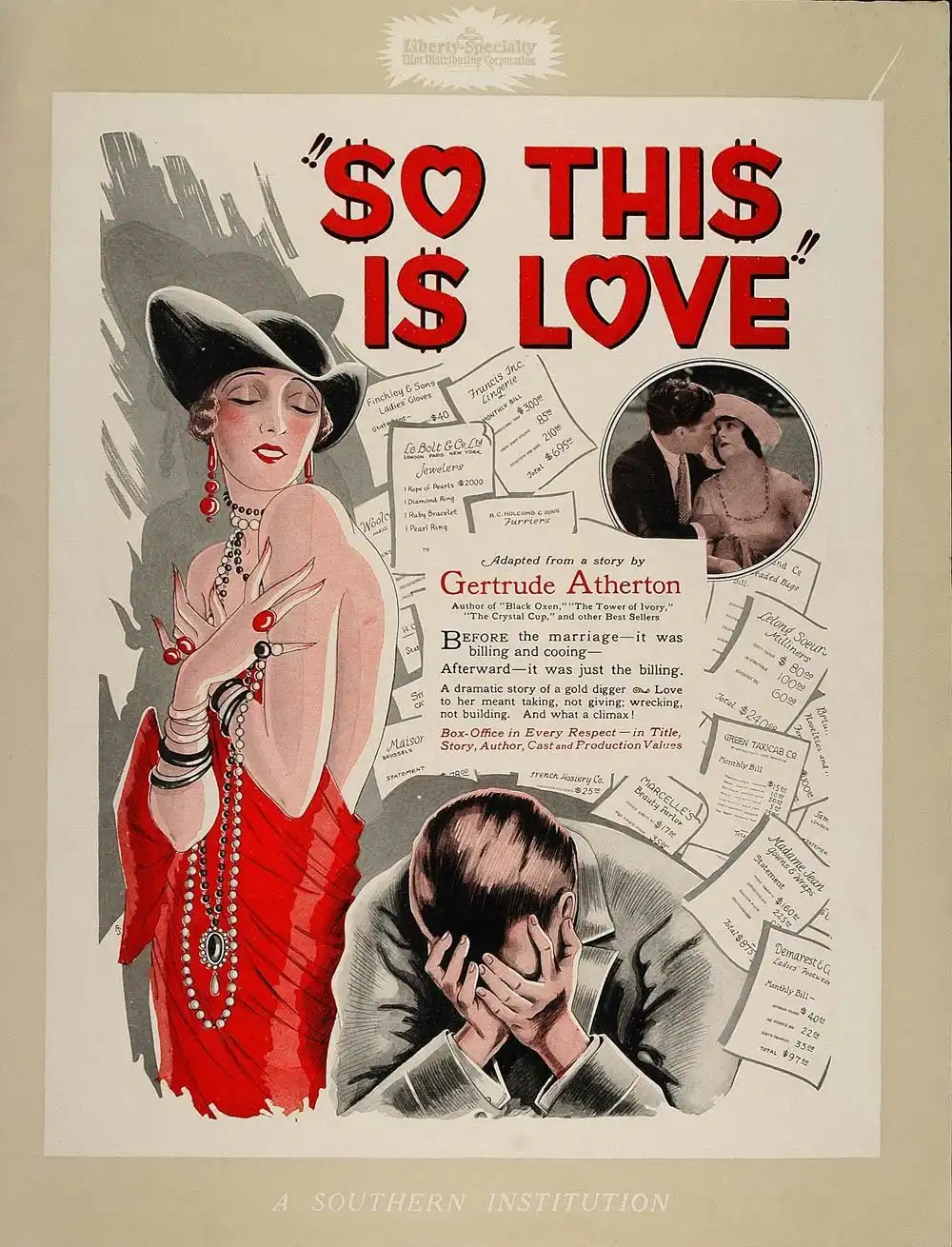
Director's Spotlight: United States
A Deep Dive into the 1928 Vision of Frank Capra
Few works in United States cinema carry the same weight as So This Is Love, especially regarding the cultural zeitgeist captured so perfectly by Frank Capra in 1928. Utilizing a 1928-specific aesthetic that remains timeless, it serves as a blueprint for future generations of Comedy directors.
In So This Is Love, Frank Capra pushes the boundaries of conventional narrative. The film's unique approach to its subject matter has sparked endless debates and interpretations among cinephiles and critics alike.
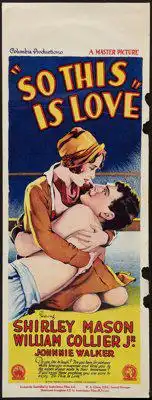
In this work, Frank Capra explores the intersection of Comedy and United States cultural identity. The meticulous attention to detail suggests a deep-seated commitment to pushing the boundaries of the medium, ensuring that So This Is Love remains a relevant topic of study for Comedy enthusiasts.
| Cinematography | Deep Focus |
| Soundtrack | Orchestral |
| Editing | Slow-Burn |
| Art Direction | Brutalist |
Visualizing the convergence of Frank Capra's style and the core Comedy narrative.
Jerry McGuire (William Collier Jr.) is a dress designer in love with shop-girl Hilda Jenson (Shirley Mason). But the problem is that prizefighter Spike Mullins (Johnny Walker) is also in love with Hilda. Jerry, undaunted by the obvious fact that , physically speaking, is no match for the bull-like Spike. Jerry Takes a few boxing lessons and, aided by Hilda, who deliberately overfeeds Spike before the big fight between the two rivals.
Decades after its release, So This Is Love remains a vital piece of the cinematic puzzle. Its influence can be seen in countless modern works, solidifying Frank Capra's status as a master of the craft in United States and beyond.