
DbcultAccessing Vault...
Director's Spotlight
Senior Film Conservator
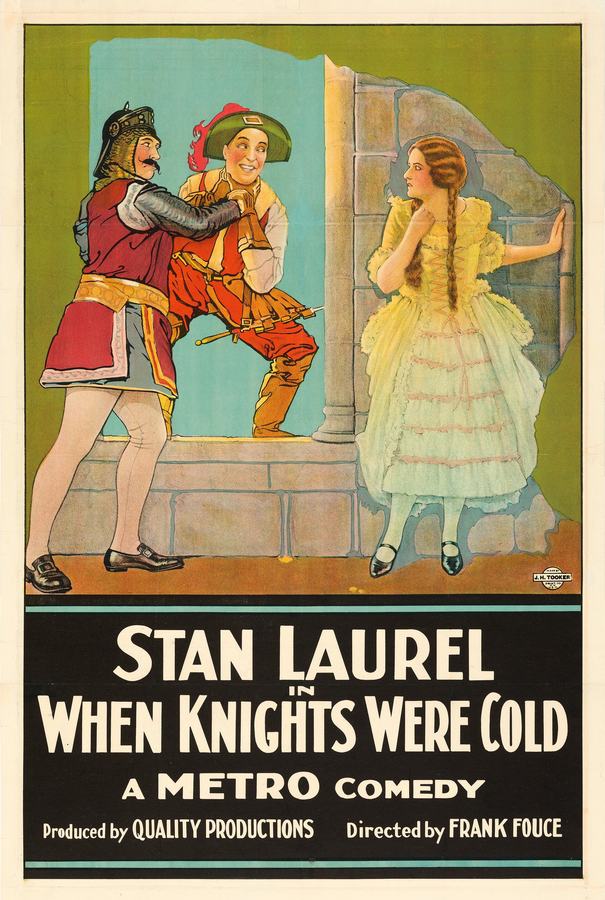
Director's Spotlight: United States
A Deep Dive into the 1923 Vision of Frank Fouce
As we revisit the 1923 masterpiece When Knights Were Cold, we are struck by the meticulous attention to detail that Frank Fouce applied to every frame. Anchored by a narrative that is both personal and universal, it bridges the gap between traditional Short and contemporary vision.
In When Knights Were Cold, Frank Fouce pushes the boundaries of conventional narrative. The film's unique approach to its subject matter has sparked endless debates and interpretations among cinephiles and critics alike.
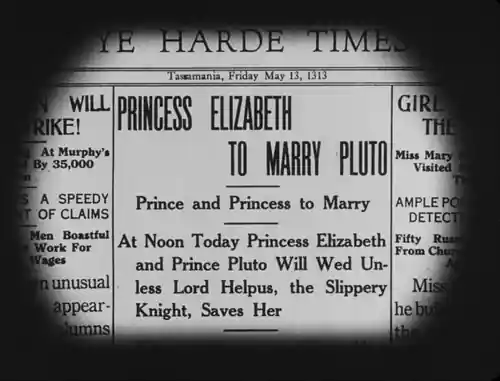
In this work, Frank Fouce explores the intersection of Short and United States cultural identity. The meticulous attention to detail suggests a deep-seated commitment to pushing the boundaries of the medium, ensuring that When Knights Were Cold remains a relevant topic of study for Short enthusiasts.
| Cinematography | High-Contrast |
| Soundtrack | Experimental |
| Editing | Elliptical |
| Art Direction | Expressionist |
Visualizing the convergence of Frank Fouce's style and the core Short narrative.
Though only the second half survives, here's a synopsis of what's left: Stan is a Robin Hood-type character in a medieval walled town. He's chased by an army of knights, but both he and his pursuers ride music-hall half-horse costumes in lieu of real steads. He proceeds to fight, Fairbanks-like, dozens of swordsmen at once, and defeats his rival one-on-one, leaving him to marry the princess in a state ceremony.
Decades after its release, When Knights Were Cold remains a vital piece of the cinematic puzzle. Its influence can be seen in countless modern works, solidifying Frank Fouce's status as a master of the craft in United States and beyond.