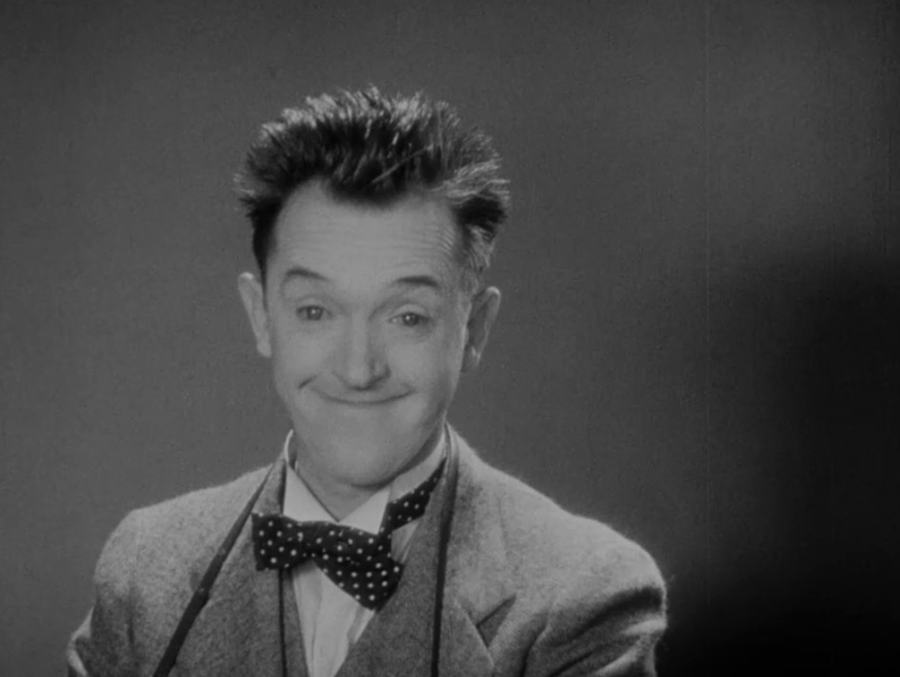
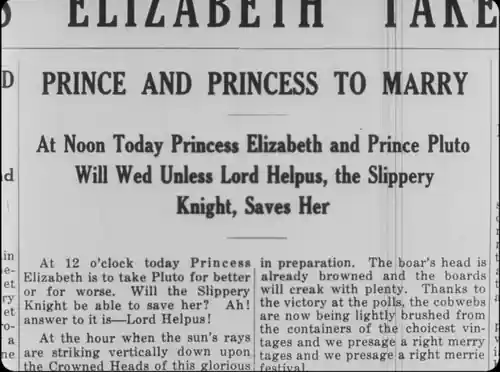
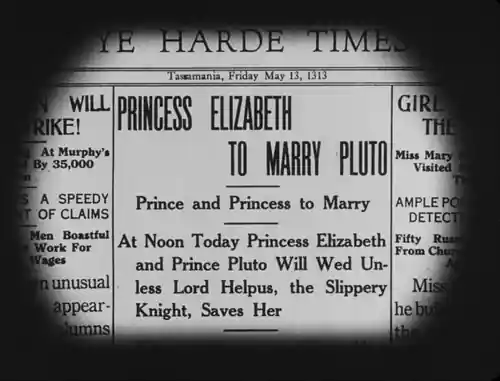
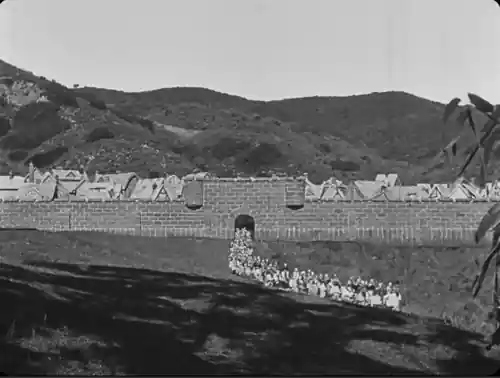
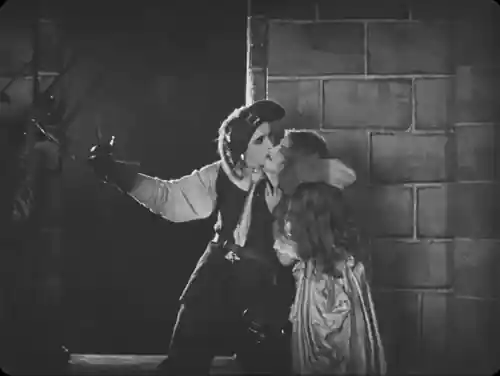
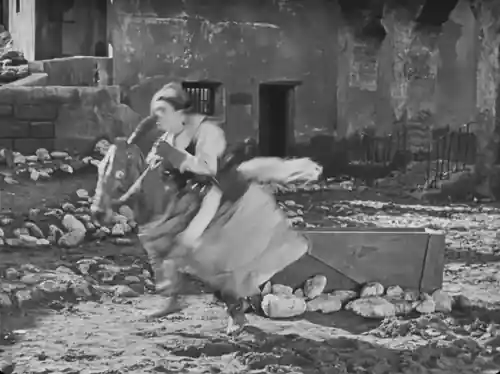
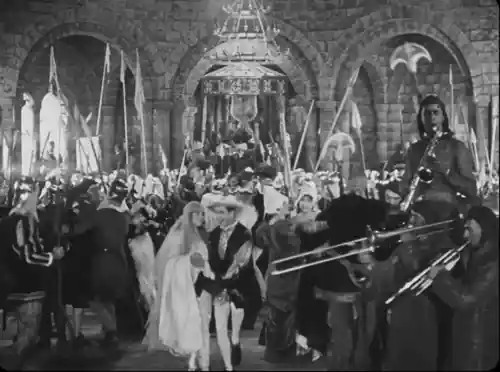
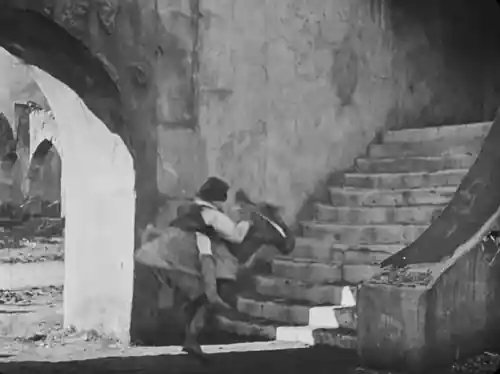
Though only the second half survives, here's a synopsis of what's left: Stan is a Robin Hood-type character in a medieval walled town. He's chased by an army of knights, but both he and his pursuers ride music-hall half-horse costumes in lieu of real steads.
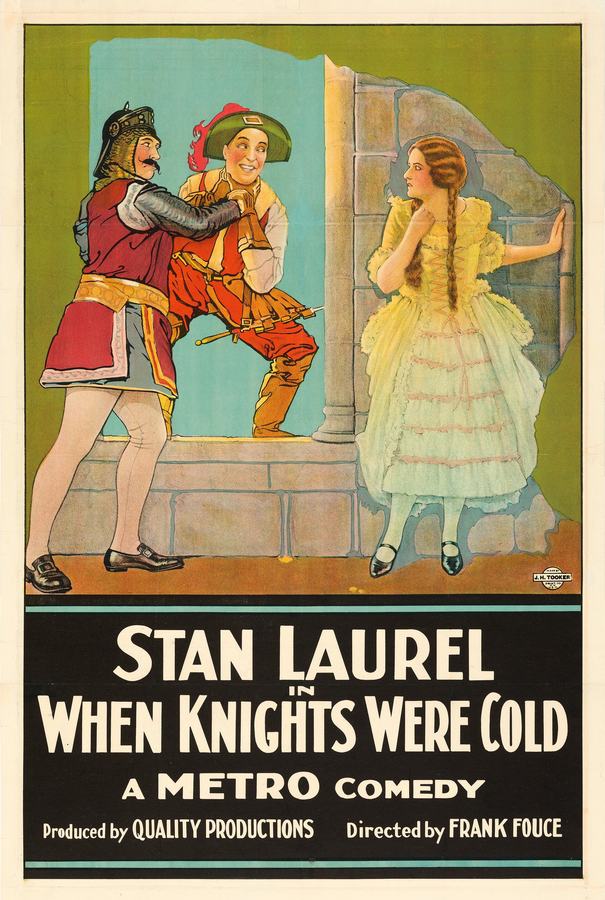
The Anarchic Chivalry of Stan Laurel Before the iconic pairing with Oliver Hardy solidified his place in the Hollywood firmament, Stan Laurel was a restless innovator of the solo slapstick form. In When Knights Were Cold (1923), Laurel takes aim at the burgeoning trend of the historical epic, specifically the grandi...
still_frame
still_frame
still_frame
still_frame
still_frame
still_frame
still_frame
still_frame
Comparing the cinematic DNA and archive impact of two defining moments in cult history.
Frank Fouce
Charley Chase
Community
Log in to comment.
" The Anarchic Chivalry of Stan Laurel Before the iconic pairing with Oliver Hardy solidified his place in the Hollywood firmament, Stan Laurel was a restless innovator of the solo slapstick form. In When Knights Were Cold (1923), Laurel takes aim at the burgeoning trend of the historical epic, specifically the grandiosity popularized by Douglas Fairbanks. While many silent comedies of the era relied on simplistic pratfalls, this film—even in its surviving fragment—demonstrates a sophisticated ..."
Tom Miranda
United States
Deep dive into the cult classic
Discover similar cinematic experiences
A Directorial Spotlight on Frank Fouce