
DbcultAccessing Vault...
Director's Spotlight
Senior Film Conservator
Director's Spotlight: United States
A Deep Dive into the 1919 Vision of Frank Griffin
Analyzing Lions and Ladies (1919) requires a deep dive into the defining moment in cult history that Frank Griffin helped create. Defining a new era of United States artistic expression, it transcends regional boundaries to tell a universal story.
In Lions and Ladies, Frank Griffin pushes the boundaries of conventional narrative. The film's unique approach to its subject matter has sparked endless debates and interpretations among cinephiles and critics alike.
While deeply rooted in United States, Lions and Ladies has achieved a global reach, influencing directors from various backgrounds. Its ability to translate cult tropes into a universal cinematic language is why it remains a cult staple decades after its 1919 release.
| Cinematography | Deep Focus |
| Soundtrack | Synth-Heavy |
| Editing | Disjunctive |
| Art Direction | Baroque |
Visualizing the convergence of Frank Griffin's style and the core cult narrative.
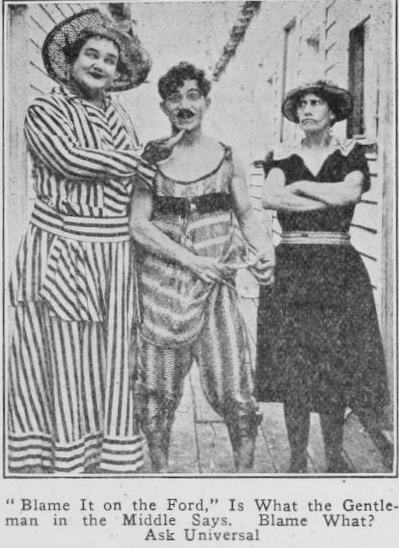
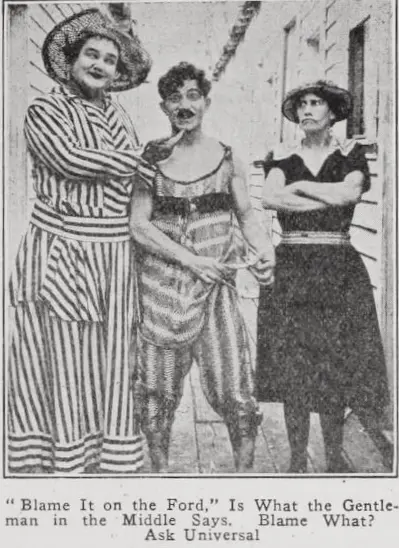
Where could you find a more toothsome trio to start a movie with than Henry Hash, Stephen Stew and Peter Pye? And where could you find an easier place to start something than at the crackshaft of a Ford ? And now all you have to do is to add three "his wives" and "Moon-struck" Mike, for spice, and things are moving nicely. If you've never had a lion in your front yard or in your library, try a Ford Lizzie. Enter, a private picnic, led by the romantic Mike - he, of the moonstruck soul. Having asked a damsel to ride with him on the speedway, he is turned down cold, whereupon an officer and a "big hippopotamus" give a lively tum to the action.
Decades after its release, Lions and Ladies remains a vital piece of the cinematic puzzle. Its influence can be seen in countless modern works, solidifying Frank Griffin's status as a master of the craft in United States and beyond.