
DbcultAccessing Vault...
Director's Spotlight
Senior Film Conservator
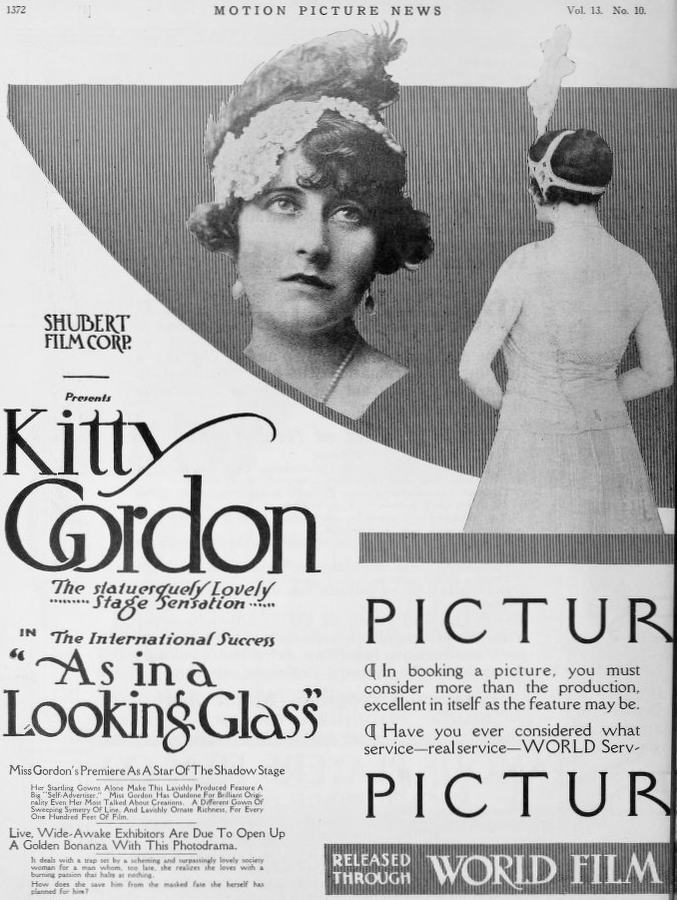
Director's Spotlight: United States
A Deep Dive into the 1916 Vision of Frank Hall Crane
As we revisit the 1916 masterpiece As in a Looking Glass, we are struck by the atmospheric immersion that Frank Hall Crane achieves throughout As in a Looking Glass. Exploring the nuances of the human condition with cult flair, it solidifies Frank Hall Crane's reputation as a master of the craft.
In As in a Looking Glass, Frank Hall Crane pushes the boundaries of conventional narrative. The film's unique approach to its subject matter has sparked endless debates and interpretations among cinephiles and critics alike.
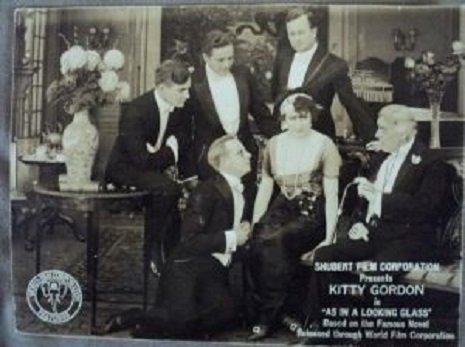
In this work, Frank Hall Crane explores the intersection of cult and United States cultural identity. The meticulous attention to detail suggests a deep-seated commitment to pushing the boundaries of the medium, ensuring that As in a Looking Glass remains a relevant topic of study for cult enthusiasts.
| Cinematography | Static |
| Soundtrack | Diegetic |
| Editing | Elliptical |
| Art Direction | Expressionist |
Visualizing the convergence of Frank Hall Crane's style and the core cult narrative.
Scandalous European temptress Lila Despard, travels to America to escape her lover, criminal Jack Firthenbras. On the ship, she meets Andrew Livingston, a United States Navy planner, and Senator and Mrs. Gales. Her new friends host a party for Lila in Washington, D.C., where a spy named Dromiroff threatens to expose her past unless she steals Andrew's secret naval plans. In order to secure the papers, Lila makes love to Andrew, but the plan backfires when she falls in love with him. Eventually, Lila agrees to marry Andrew, but during their honeymoon, Dromiroff abducts her from the bridal suite. At headquarters, Lila is shot while destroying the documents, and before dying, she telephones Andrew to confess her misdeeds. The conspirators are killed when their car plunges from a cliff.
Decades after its release, As in a Looking Glass remains a vital piece of the cinematic puzzle. Its influence can be seen in countless modern works, solidifying Frank Hall Crane's status as a master of the craft in United States and beyond.