
DbcultAccessing Vault...
Director's Spotlight
Senior Film Conservator
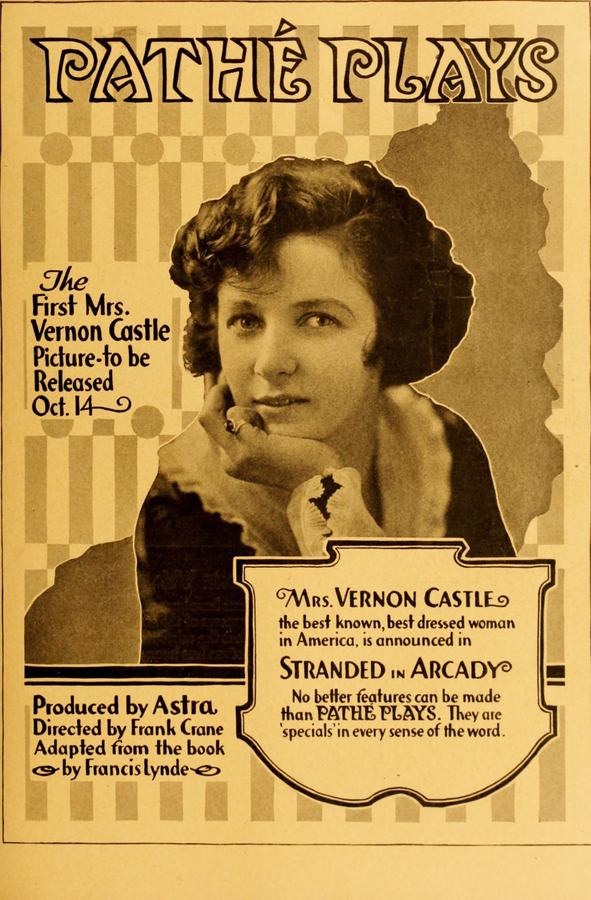
Director's Spotlight: United States
A Deep Dive into the 1917 Vision of Frank Hall Crane
The 1917 release of Stranded in Arcady marked a significant moment for the stylistic boundaries pushed by Frank Hall Crane during the production. In the context of United States's rich cinematic history, it invites us to question our own perceptions of cult narratives.
In Stranded in Arcady, Frank Hall Crane pushes the boundaries of conventional narrative. The film's unique approach to its subject matter has sparked endless debates and interpretations among cinephiles and critics alike.
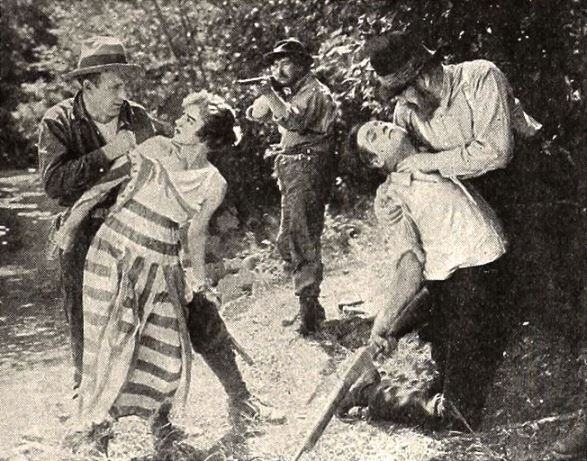
In this work, Frank Hall Crane explores the intersection of cult and United States cultural identity. The meticulous attention to detail suggests a deep-seated commitment to pushing the boundaries of the medium, ensuring that Stranded in Arcady remains a relevant topic of study for cult enthusiasts.
| Cinematography | Noir-Inspired |
| Soundtrack | Synth-Heavy |
| Editing | Disjunctive |
| Art Direction | Baroque |
Visualizing the convergence of Frank Hall Crane's style and the core cult narrative.
Lucy Millington is an independent woman who looks upon men with contempt. Novelist Donald Prime, who has written a book on women, considers himself an authority on the subject. Both are lured into the desolate backwoods of Arcady by adventurers who plan to keep them in captivity until a fortune bequeathed to them has been safely deposited in the hands of their rivals. While attempting to find their way back to civilization they face many dangers including a canoe trip in perilous waters and an encounter with a band of outlaws. Finally, through sheer pluck and daring, they reach their lawyer just in the nick of time to claim their inheritance. During their days stranded in Arcady, they discover their love for each other, and so after they leave the lawyer's office, their next stop is to the justice of the peace.
Decades after its release, Stranded in Arcady remains a vital piece of the cinematic puzzle. Its influence can be seen in countless modern works, solidifying Frank Hall Crane's status as a master of the craft in United States and beyond.