
DbcultAccessing Vault...
Director's Spotlight
Senior Film Conservator
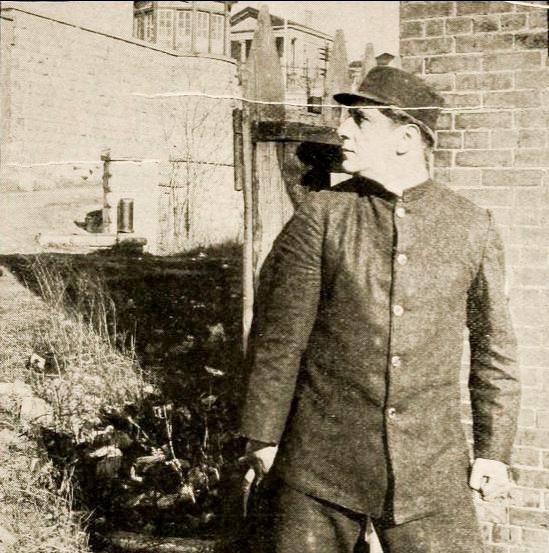
Director's Spotlight: United States
A Deep Dive into the 1915 Vision of Frank Hall Crane
To understand the modern evolution of United States film, one must first look at The Man Who Found Himself and the meticulous attention to detail that Frank Hall Crane applied to every frame. Reflecting the political and social shifts of the 1915s, it showcases the power of cult as a tool for social commentary.
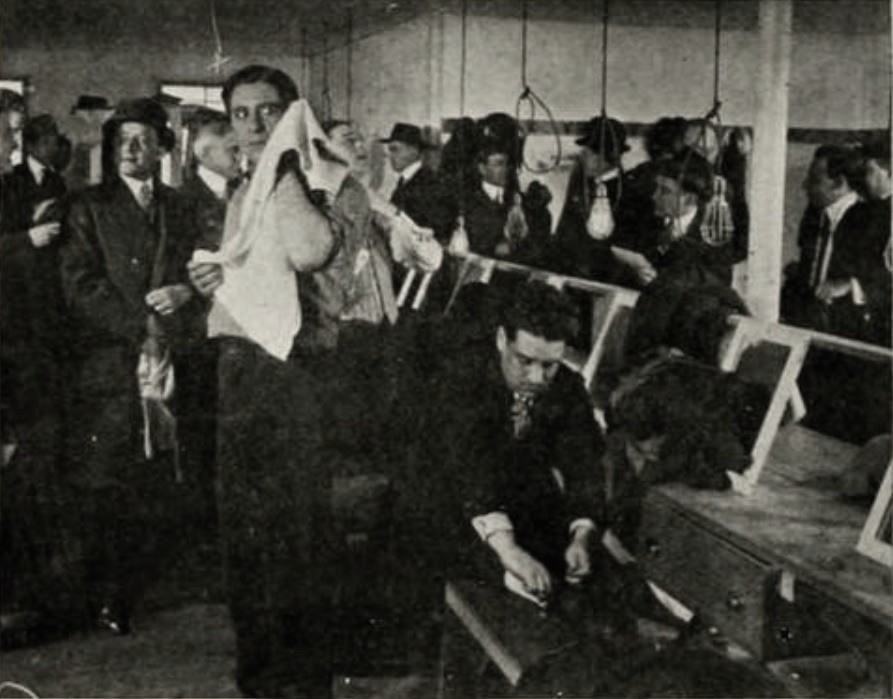
In The Man Who Found Himself, Frank Hall Crane pushes the boundaries of conventional narrative. The film's unique approach to its subject matter has sparked endless debates and interpretations among cinephiles and critics alike.
| Cinematography | High-Contrast |
| Soundtrack | Orchestral |
| Editing | Slow-Burn |
| Art Direction | Brutalist |
Visualizing the convergence of Frank Hall Crane's style and the core cult narrative.
Grocery clerk James Clarke pilfers $500 to send his ailing sister to a more healthful climate. Frederick Payton, a fellow employee, learns of the theft and blackmails him, but both men are eventually arrested and sent to prison. While a motion-picture company is filming inside Sing Sing, James mixes in with the players, later returning with them to the Fort Lee studio of the World Film Corp. Following his escape, James assumes a different name and successfully establishes himself in another town. Payton, who has served out his sentence, finds James happily engaged to Catherine Hudson, the boss's daughter, but when Payton again threatens to blackmail him, James decides to reveal his true identity and complete his prison sentence. Catherine promises to wait for James, who returns to prison with a clear conscience.
Decades after its release, The Man Who Found Himself remains a vital piece of the cinematic puzzle. Its influence can be seen in countless modern works, solidifying Frank Hall Crane's status as a master of the craft in United States and beyond.