
DbcultAccessing Vault...
Director's Spotlight
Senior Film Conservator
Director's Spotlight: United States
A Deep Dive into the 1918 Vision of Frank Lloyd
The brilliance of For Freedom (1918) is inseparable from a monumental shift in cult filmmaking spearheaded by Frank Lloyd. Occupying a unique space between cult and pure art, it serves as a blueprint for future generations of cult directors.
In For Freedom, Frank Lloyd pushes the boundaries of conventional narrative. The film's unique approach to its subject matter has sparked endless debates and interpretations among cinephiles and critics alike.
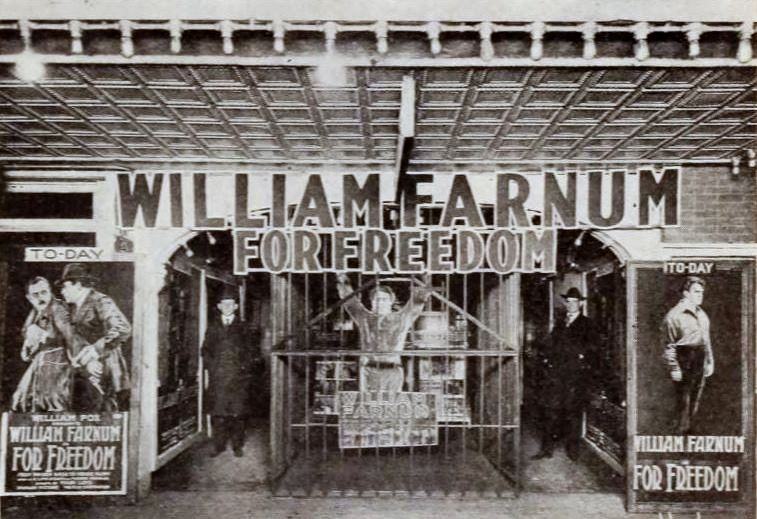
While deeply rooted in United States, For Freedom has achieved a global reach, influencing directors from various backgrounds. Its ability to translate cult tropes into a universal cinematic language is why it remains a cult staple decades after its 1918 release.
| Cinematography | Static |
| Soundtrack | Experimental |
| Editing | Elliptical |
| Art Direction | Expressionist |
Visualizing the convergence of Frank Lloyd's style and the core cult narrative.
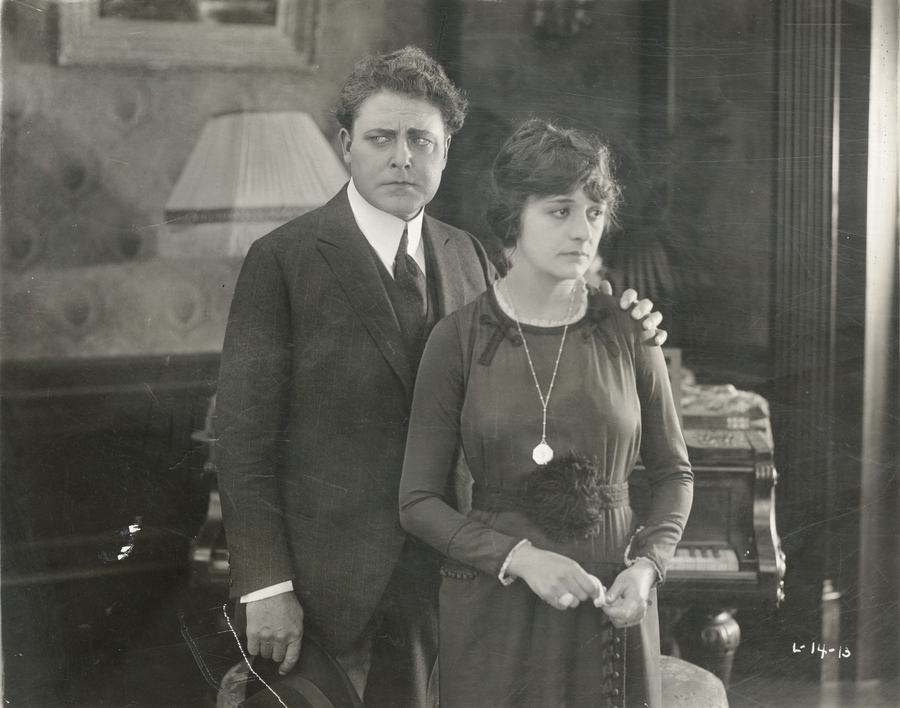
Robert Wayne is a prominent businessman, whose sister Edith is married to his friend Herbert Osborne. Osborne's business under attack by a rival, Howard Stratton. Osborne gives his stock proxy to Wayne and tells him to vote the shares a certain way at the upcoming stockholders meeting. Stratton takes Osborne's wife for a drive, and then calls Wayne to say the two have eloped. To protect his sister from scandal, Wayne goes to rescue his sister and misses the stockholders meeting. In a struggle, Stratton is accidentally shot with his own gun and Wayne is convicted of the shooting. Wayne is paroled on the condition that he fight for his country. Before going to France, he meets Mary Fenton and falls in love. During the war, Wayne rescues a comrade and wins a commendation. But he is wounded and sent home. At the ball held at Mary's home celebrating the end of the war, Edith tells the truth about the shooting that sent her brother to prison.
Decades after its release, For Freedom remains a vital piece of the cinematic puzzle. Its influence can be seen in countless modern works, solidifying Frank Lloyd's status as a master of the craft in United States and beyond.