
DbcultAccessing Vault...
Director's Spotlight
Senior Film Conservator
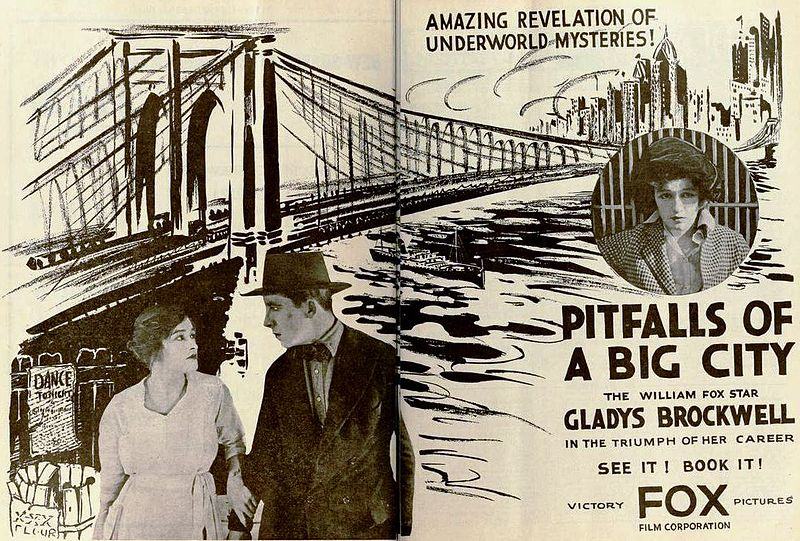
Director's Spotlight: United States
A Deep Dive into the 1919 Vision of Frank Lloyd
The brilliance of Pitfalls of a Big City (1919) is inseparable from the visionary mind of its creator, Frank Lloyd. Serving as a mirror to the anxieties of a changing world, it persists as a haunting reminder of our own cinematic history.
In Pitfalls of a Big City, Frank Lloyd pushes the boundaries of conventional narrative. The film's unique approach to its subject matter has sparked endless debates and interpretations among cinephiles and critics alike.
| Cinematography | Noir-Inspired |
| Soundtrack | Synth-Heavy |
| Editing | Disjunctive |
| Art Direction | Baroque |
Visualizing the convergence of Frank Lloyd's style and the core cult narrative.
Tenement dweller Molly Moore, trying to forget her crooked past and go straight, runs a cheap restaurant in the underworld district in order to educate her younger sister Marion. Jerry Sullivan and Spike Davis, two friends from Molly's past, are released from prison. Jerry has always loved Molly and is determined to find work despite Spike's bad influence. When Spike forces himself on Marion during her visit to Molly, Molly sends her back to her educated friends. Marion then becomes engaged to Ted Pemberton, the brother of her boarding school friend Alice. Spike plans to rob the Pemberton home on the night of the engagement party, and threatens to expose Molly's past if she does not help him. Molly refuses, but when she follows him to the Pemberton home to dissuade him, she is arrested by the police while Spike escapes. Jerry locates Spike, and with the aid of Dave Garrity, a plainclothed policeman, Spike is arrested and Molly freed. Jerry and Molly wed and rebuild their lives.
Decades after its release, Pitfalls of a Big City remains a vital piece of the cinematic puzzle. Its influence can be seen in countless modern works, solidifying Frank Lloyd's status as a master of the craft in United States and beyond.