
DbcultAccessing Vault...
Director's Spotlight
Senior Film Conservator
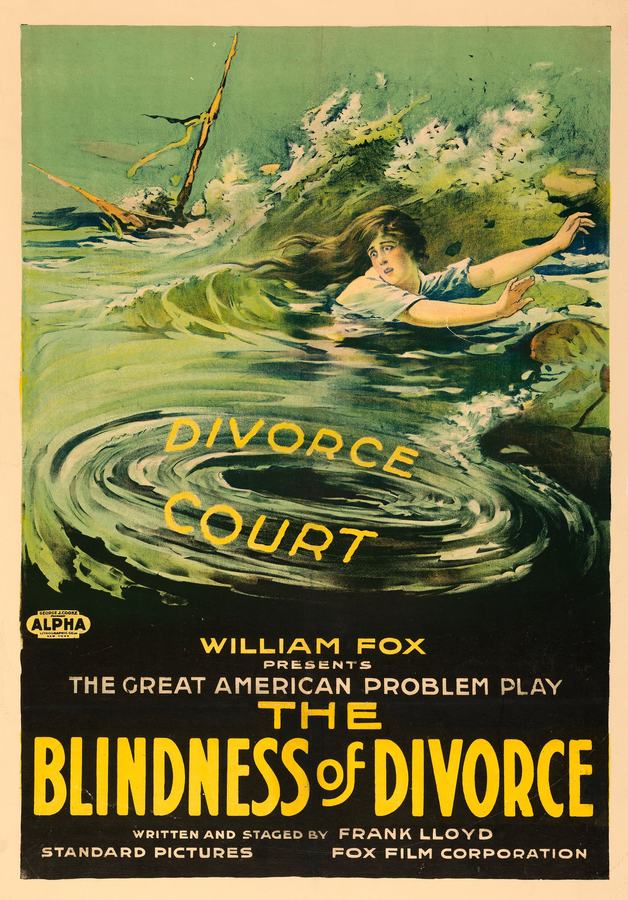
Director's Spotlight: United States
A Deep Dive into the 1918 Vision of Frank Lloyd
Exploring the cult underpinnings of The Blindness of Divorce leads us to the stylistic boundaries pushed by Frank Lloyd during the production. Through a lens of existential fatalism and cult tropes, it continues to spark endless debates among critics and cinephiles alike.
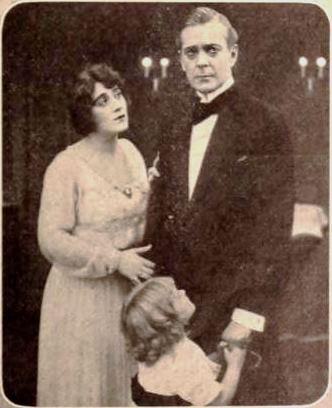
In The Blindness of Divorce, Frank Lloyd pushes the boundaries of conventional narrative. The film's unique approach to its subject matter has sparked endless debates and interpretations among cinephiles and critics alike.
| Cinematography | Static |
| Soundtrack | Minimalist |
| Editing | Disjunctive |
| Art Direction | Baroque |
Visualizing the convergence of Frank Lloyd's style and the core cult narrative.
When John Langdon suspects--wrongly, as it turns out--that his wife Claire is having an affair he divorces her, and gets custody of their daughter Florence. Later Florence marries the city's District Attorney. Meanwhile Claire, in dire financial straits, gets involved with an infamous gambling resort in the city. A political rival of Florence's husband discovers Claire's secret and tries blackmailing Florence by threatening to expose her mother's "secret life".
Decades after its release, The Blindness of Divorce remains a vital piece of the cinematic puzzle. Its influence can be seen in countless modern works, solidifying Frank Lloyd's status as a master of the craft in United States and beyond.