
DbcultAccessing Vault...
Director's Spotlight
Senior Film Conservator
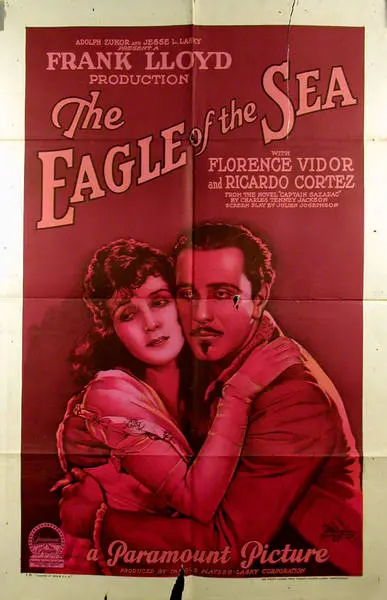
Director's Spotlight: United States
A Deep Dive into the 1926 Vision of Frank Lloyd
Under the meticulous guidance of Frank Lloyd, The Eagle of the Sea became the complex thematic architecture established by Frank Lloyd. Occupying a unique space between Adventure and pure art, it redefined what audiences could expect from a Adventure experience.
In The Eagle of the Sea, Frank Lloyd pushes the boundaries of conventional narrative. The film's unique approach to its subject matter has sparked endless debates and interpretations among cinephiles and critics alike.
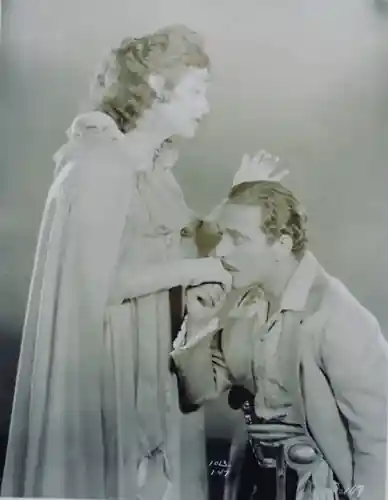
While deeply rooted in United States, The Eagle of the Sea has achieved a global reach, influencing directors from various backgrounds. Its ability to translate Adventure tropes into a universal cinematic language is why it remains a cult staple decades after its 1926 release.
| Cinematography | Deep Focus |
| Soundtrack | Diegetic |
| Editing | Rhythmic |
| Art Direction | Naturalist |
Visualizing the convergence of Frank Lloyd's style and the core Adventure narrative.
In early-1800s New Orleans, a ball is being given to honor General Andrew Jackson. Among the attendees is a certain Captain Sazarac, who is actually the notorious buccaneer Jean Lafitte. His real identity is exposed and Gen. Jackson gives him until dawn to leave the city. However, Lafitte is soon involved in a plot, hatched by the uncle of the woman he loves, to rescue Napoleon from the island of St. Helena.
Decades after its release, The Eagle of the Sea remains a vital piece of the cinematic puzzle. Its influence can be seen in countless modern works, solidifying Frank Lloyd's status as a master of the craft in United States and beyond.