
DbcultAccessing Vault...
Director's Spotlight
Senior Film Conservator
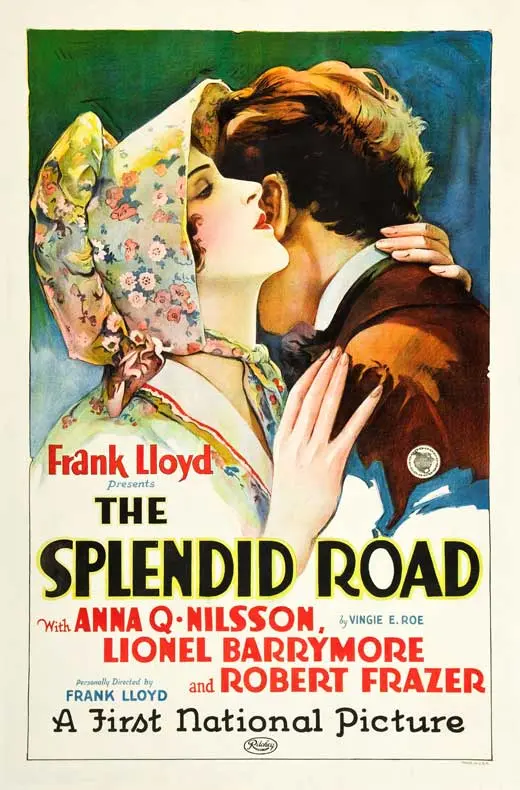
Director's Spotlight: United States
A Deep Dive into the 1925 Vision of Frank Lloyd
As a cultural artifact of the 1925s, The Splendid Road provides the global recognition that Frank Lloyd garnered after the release of The Splendid Road. Elevating the source material through Frank Lloyd's unique vision, it solidifies Frank Lloyd's reputation as a master of the craft.
In The Splendid Road, Frank Lloyd pushes the boundaries of conventional narrative. The film's unique approach to its subject matter has sparked endless debates and interpretations among cinephiles and critics alike.
While deeply rooted in United States, The Splendid Road has achieved a global reach, influencing directors from various backgrounds. Its ability to translate Western tropes into a universal cinematic language is why it remains a cult staple decades after its 1925 release.
| Cinematography | Deep Focus |
| Soundtrack | Experimental |
| Editing | Elliptical |
| Art Direction | Expressionist |
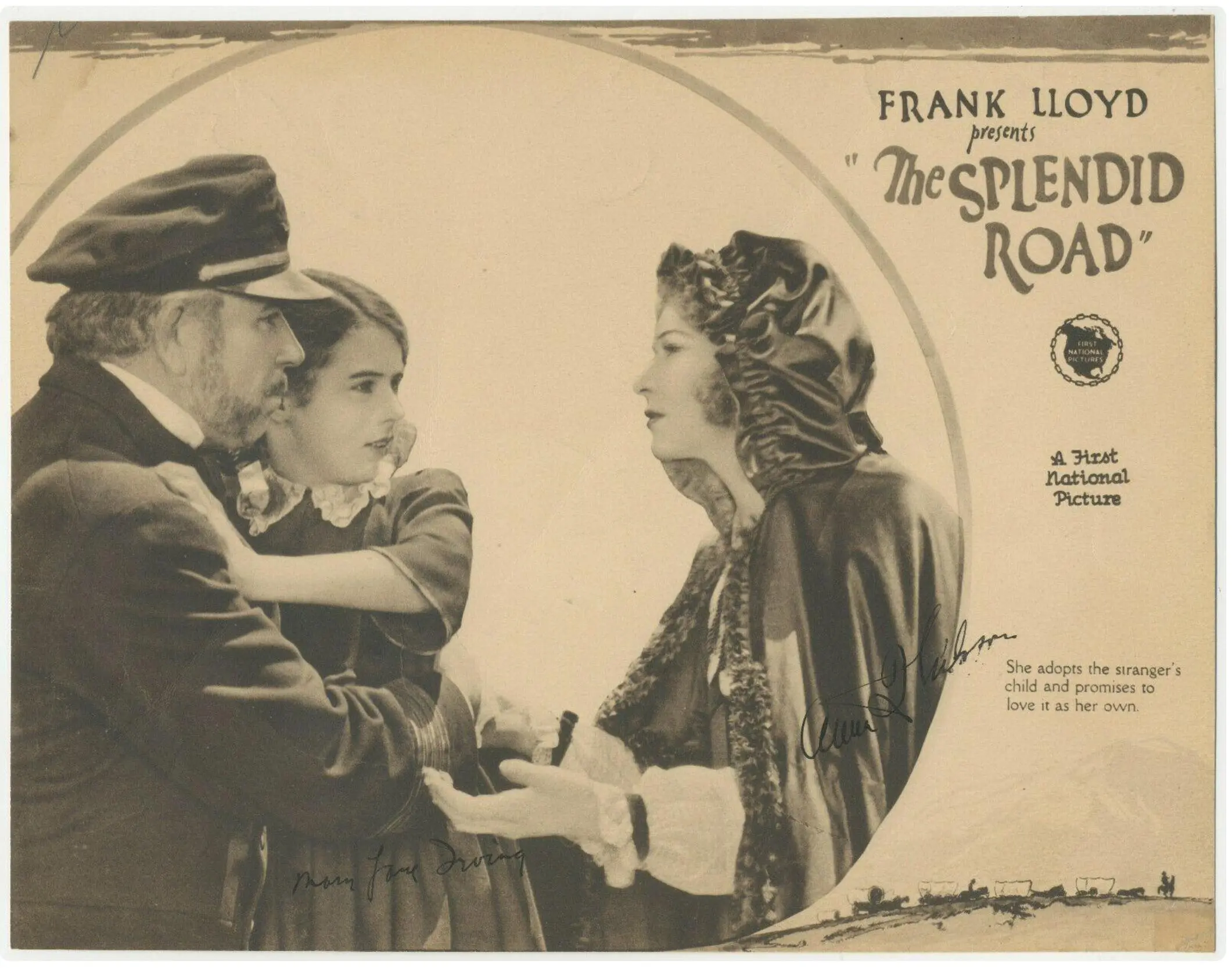
Visualizing the convergence of Frank Lloyd's style and the core Western narrative.
Young Sandra De Hault arrives by ship in Sacramento, California during the 1849 Gold Rush. While on board she adopted three children whose mother died during the voyage. In Sacramento she is saved from a violent drunk's attentions by Stanton Halliday, an agent for Eastern banker John Grey. They fall for each other, but Sandra believes that the daughter of Halliday's boss is in love with him, and not wanting to hurt his career she leaves town. She later runs into Halliday under less-than-auspicious circumstances.
Decades after its release, The Splendid Road remains a vital piece of the cinematic puzzle. Its influence can be seen in countless modern works, solidifying Frank Lloyd's status as a master of the craft in United States and beyond.