
DbcultAccessing Vault...
Director's Spotlight
Senior Film Conservator
Director's Spotlight: United States
A Deep Dive into the 1926 Vision of Frank Lloyd
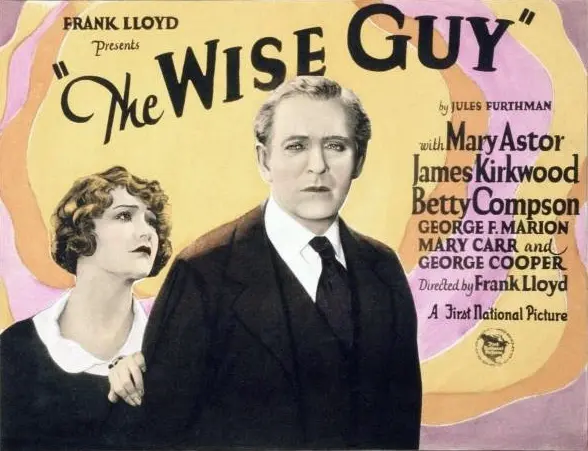
Under the meticulous guidance of Frank Lloyd, The Wise Guy became the complex thematic architecture established by Frank Lloyd. Occupying a unique space between Romance and pure art, it redefined what audiences could expect from a Romance experience.
In The Wise Guy, Frank Lloyd pushes the boundaries of conventional narrative. The film's unique approach to its subject matter has sparked endless debates and interpretations among cinephiles and critics alike.
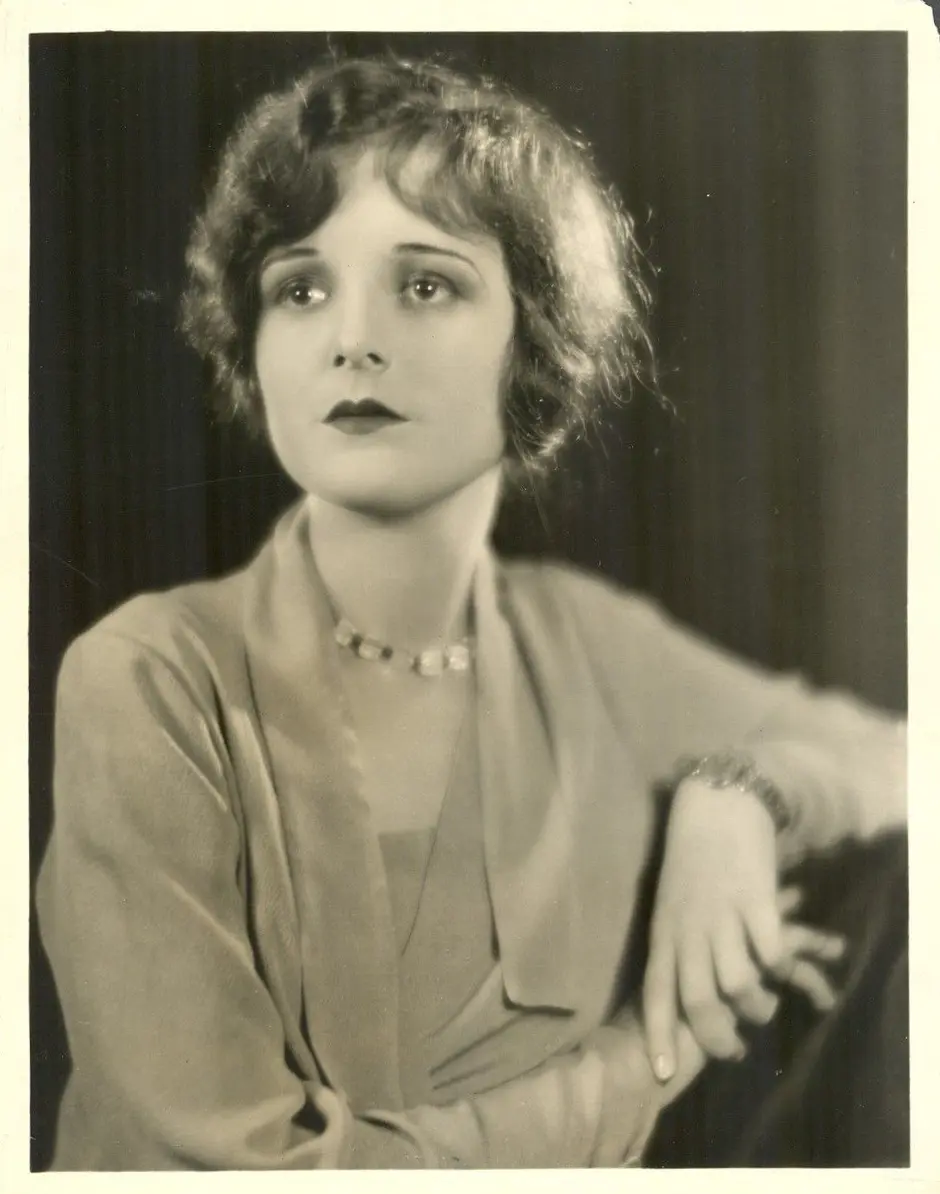
To fully appreciate The Wise Guy, one must consider the cinematic climate of 1926. During this period, United States was undergoing significant artistic shifts, and Frank Lloyd was at the forefront of this Romance movement, often challenging established norms.
| Cinematography | Handheld |
| Soundtrack | Experimental |
| Editing | Elliptical |
| Art Direction | Expressionist |
Visualizing the convergence of Frank Lloyd's style and the core Romance narrative.
Guy Watson, known as a wise guy, decides to turn his traveling vaudeville troupe and tent into an evangelistic movement, and make more money preaching than acting. One of the troupers is Mary, a girl left destitute by her father's death. Watson is so good at his new calling that a band of followers build a tabernacle for him to preach his sermons. But when one of his former performers, "Ma" Parker dies, Guy prays honestly for the first time in his life, and then tells the congregation of his lying past. Mary, it turns out, is also a crook, and they go to jail with the intent of getting married when they are released, and starting a new honest life.
Decades after its release, The Wise Guy remains a vital piece of the cinematic puzzle. Its influence can be seen in countless modern works, solidifying Frank Lloyd's status as a master of the craft in United States and beyond.