
DbcultAccessing Vault...
Director's Spotlight
Senior Film Conservator
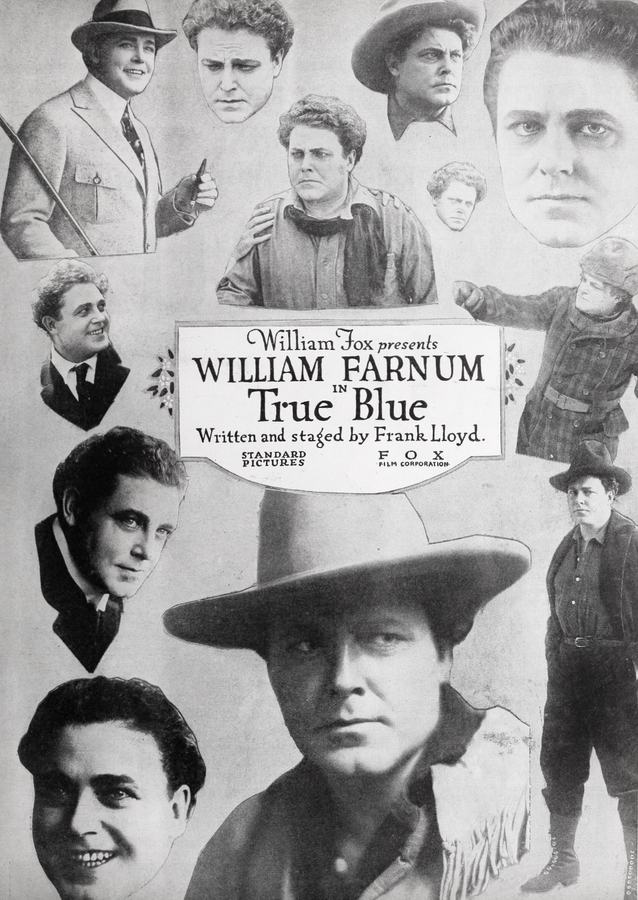
Director's Spotlight: United States
A Deep Dive into the 1918 Vision of Frank Lloyd
The thematic gravity of True Blue (1918) is rooted in the artistic risks taken by Frank Lloyd that eventually paid off. Defining a new era of United States artistic expression, it demands to be seen by anyone who cares about the art of film.
In True Blue, Frank Lloyd pushes the boundaries of conventional narrative. The film's unique approach to its subject matter has sparked endless debates and interpretations among cinephiles and critics alike.
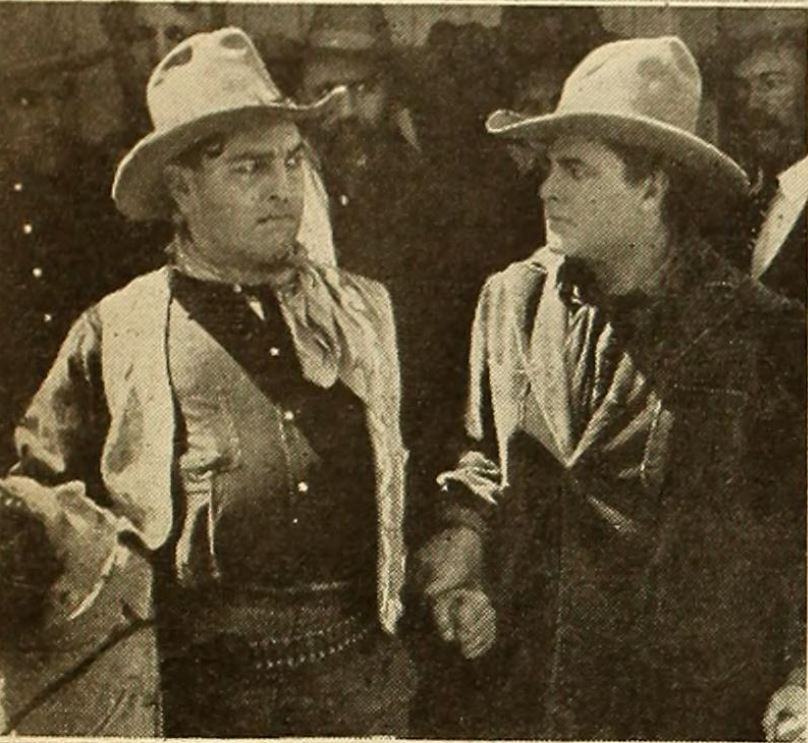
To fully appreciate True Blue, one must consider the cinematic climate of 1918. During this period, United States was undergoing significant artistic shifts, and Frank Lloyd was at the forefront of this cult movement, often challenging established norms.
| Cinematography | Noir-Inspired |
| Soundtrack | Diegetic |
| Editing | Elliptical |
| Art Direction | Expressionist |
Visualizing the convergence of Frank Lloyd's style and the core cult narrative.
Gilbert Brockhurst, an Englishman living in America, has an American wife and a six-year-old son named Robert. His wife inherits a ranch in Arizona. A short time later, Brockhurst is informed that his cousin has died, and that he is now the Earl of Somerfield. He deserts his wife and goes to England. When his wife dies on the ranch, Brockhurst remarries and has a son named Stanley, who is regarded as his heir, but he's a spendthrift. When Brockhurst is sent to America on a diplomatic mission, he takes Stanley with him and threatens to leave him in America unless he reforms. Meanwhile, Brockhurst's older son has taken the name Robert McKeever and taken over the ranch. McKeever finds Stanley in a gambling house, pays off his debt, and takes him to his ranch. He then fears that his half-brother is winning the affection of Ruth, the local schoolteacher. McKeever eventually tells Ruth she can go to Stanley, but she tells him that she really loves him. Brockhurst offers to make McKeever his heir, but instead, McKeever sends Stanley, who has reformed, back to England.
Decades after its release, True Blue remains a vital piece of the cinematic puzzle. Its influence can be seen in countless modern works, solidifying Frank Lloyd's status as a master of the craft in United States and beyond.