
DbcultAccessing Vault...
Director's Spotlight
Senior Film Conservator
Director's Spotlight: United States
A Deep Dive into the 1917 Vision of Frank Lloyd
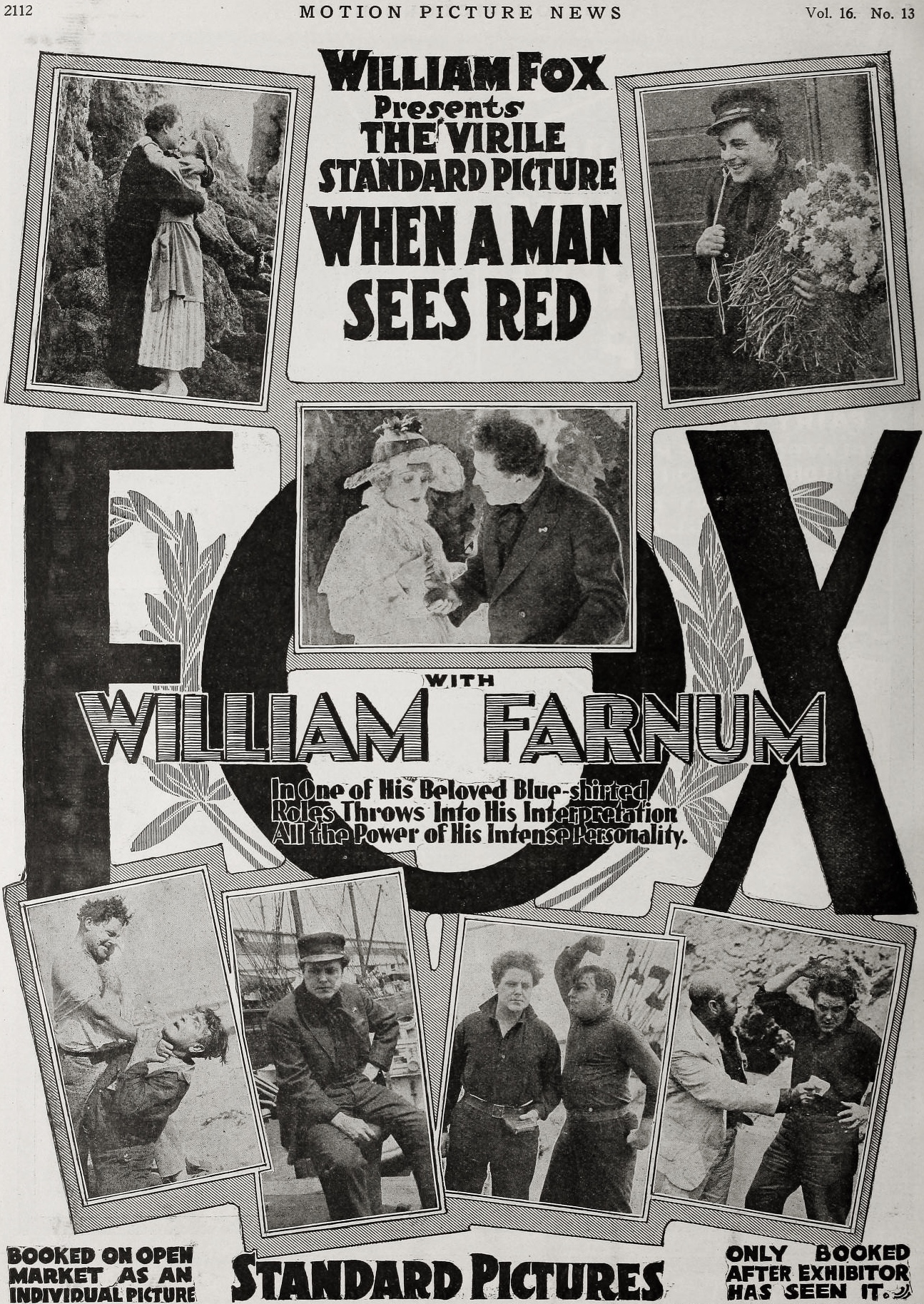
Under the meticulous guidance of Frank Lloyd, When a Man Sees Red became the cultural zeitgeist captured so perfectly by Frank Lloyd in 1917. Driven by an uncompromising commitment to cult excellence, it remains a vital reference point for anyone studying the evolution of Frank Lloyd.
In When a Man Sees Red, Frank Lloyd pushes the boundaries of conventional narrative. The film's unique approach to its subject matter has sparked endless debates and interpretations among cinephiles and critics alike.
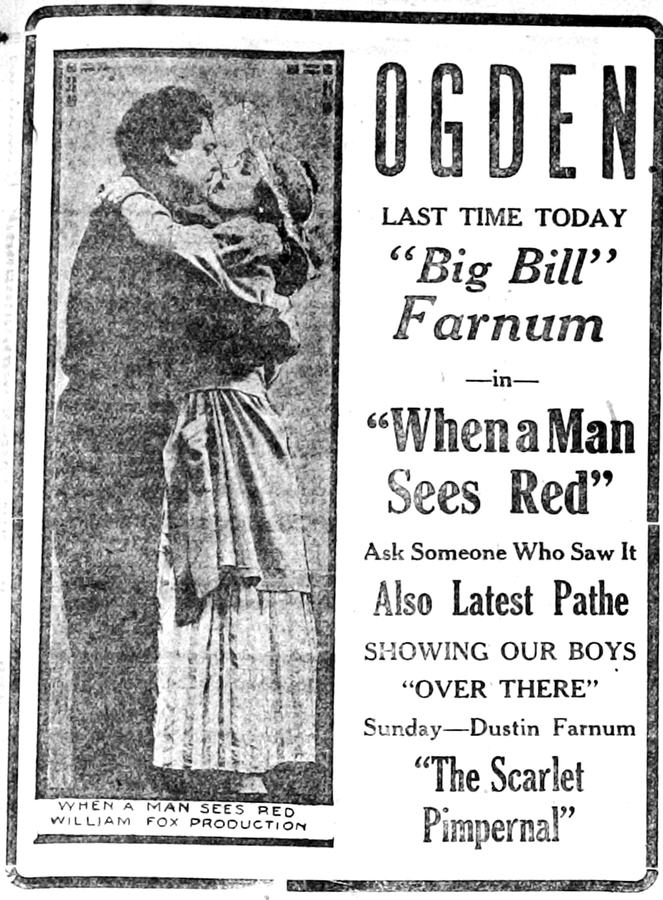
The visual language of When a Man Sees Red is defined by its use of shadows and framing, a hallmark of Frank Lloyd's style. By utilizing a 1917-era palette, the film creates an immersive experience that perfectly complements its cult themes.
| Cinematography | Static |
| Soundtrack | Orchestral |
| Editing | Slow-Burn |
| Art Direction | Brutalist |
Visualizing the convergence of Frank Lloyd's style and the core cult narrative.
Returning home to find that his sister has died after being abducted and violated by an unscrupulous man, sailor Larry Smith ships out as mate with Captain Sutton. After an altercation with the captain, Larry leaves the ship at a South Sea port where he meets and falls in love with Violet North, a woman of questionable reputation who is the mistress of millionaire Lewis. Larry proposes, but Violet sails with Lewis anyway. Sutton also sets sail, leaving behind inveterate drunk Logan, who informs Larry that Sutton was the man responsible for his sister's death. Sometime later, Lewis' yacht is wrecked and Violet is cast upon an island. Sutton picks her up and tries to sell her to the natives as punishment for resisting his advances, but Larry rescues her and kills Sutton. His sister thus avenged, Larry marries Violet and settles down.
Decades after its release, When a Man Sees Red remains a vital piece of the cinematic puzzle. Its influence can be seen in countless modern works, solidifying Frank Lloyd's status as a master of the craft in United States and beyond.