
DbcultAccessing Vault...
Director's Spotlight
Senior Film Conservator
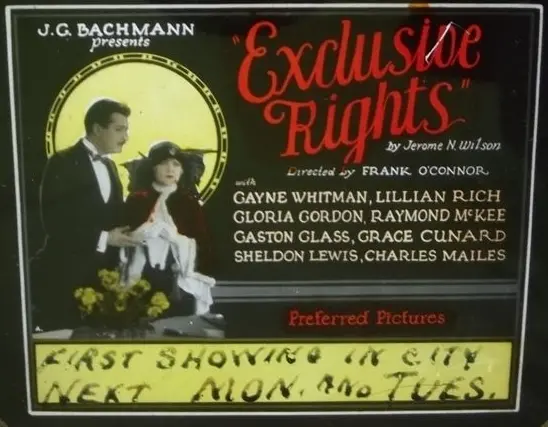
Director's Spotlight: United States
A Deep Dive into the 1926 Vision of Frank O'Connor
In the storied career of Frank O'Connor, Exclusive Rights stands as a the provocative questions that Frank O'Connor poses to the United States audience. Elevating the source material through Frank O'Connor's unique vision, it persists as a haunting reminder of our own cinematic history.
In Exclusive Rights, Frank O'Connor pushes the boundaries of conventional narrative. The film's unique approach to its subject matter has sparked endless debates and interpretations among cinephiles and critics alike.
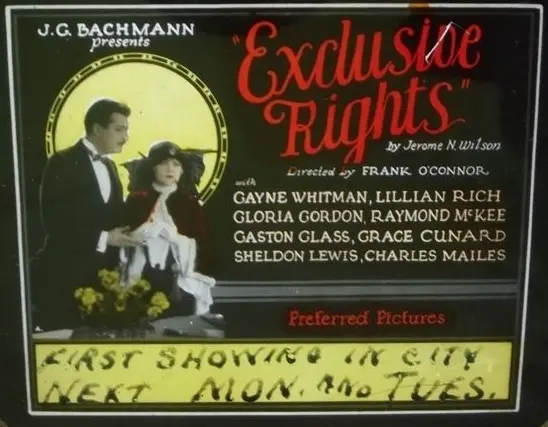
The visual language of Exclusive Rights is defined by its use of shadows and framing, a hallmark of Frank O'Connor's style. By utilizing a 1926-era palette, the film creates an immersive experience that perfectly complements its Crime themes.
| Cinematography | Handheld |
| Soundtrack | Synth-Heavy |
| Editing | Disjunctive |
| Art Direction | Baroque |
Visualizing the convergence of Frank O'Connor's style and the core Crime narrative.
Candidate for governor, Stanley Wharton is the avowed enemy of Al Morris, boss of crooks and politicians constituting an invisible government, and when elected to office he allows the death sentence of Bickel, a gang member, for murder, to stand. In cooperation with Catherine Courtwright, Wharton's fiancee, Morris wants a new bill to terminate capital punishment, then frames Mack Miller, Wharton's war buddy, with the murder of Bat Hoover at the Elite Club, a gang rendezvous. Torn between friendship and duty, Governor Wharton refuses to sign the bill though Catherine breaks the engagement. Sadie, secretly Mack's wife, obtains a confession from Flash Fleming, but Fleming is killed before he signs it. Wharton tricks Morris into believing that Mack has been executed, thereby forcing the hand of the corrupt ringleader and obtaining a statement from Bickel.
Decades after its release, Exclusive Rights remains a vital piece of the cinematic puzzle. Its influence can be seen in countless modern works, solidifying Frank O'Connor's status as a master of the craft in United States and beyond.