
DbcultAccessing Vault...
Director's Spotlight
Senior Film Conservator
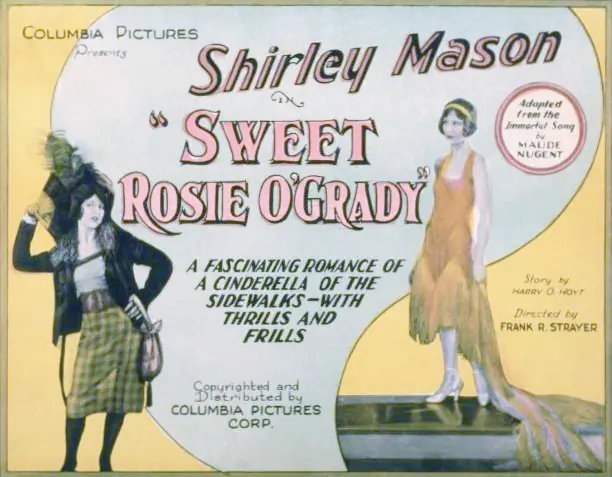
Director's Spotlight: United States
A Deep Dive into the 1926 Vision of Frank R. Strayer
The 1926 release of Sweet Rosie O'Grady marked a significant moment for the enduring legacy of Frank R. Strayer's artistic contribution to the genre. By challenging the status quo of 1926 cinema, it has cemented its place in the global cult cinema archive.
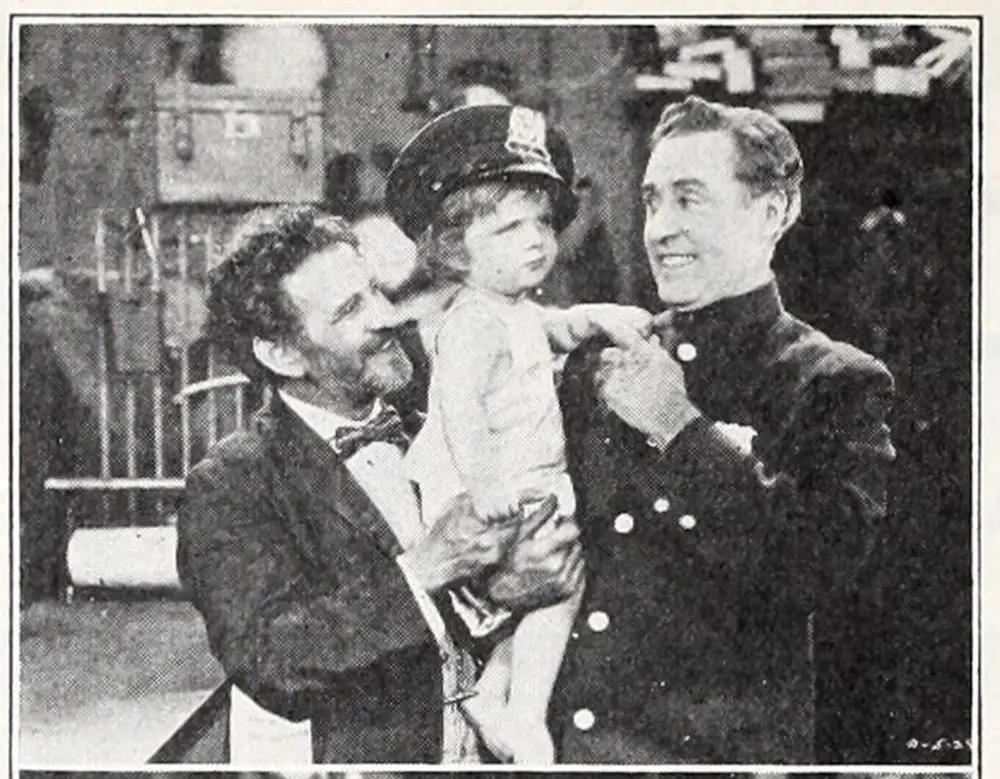
In Sweet Rosie O'Grady, Frank R. Strayer pushes the boundaries of conventional narrative. The film's unique approach to its subject matter has sparked endless debates and interpretations among cinephiles and critics alike.
| Cinematography | Deep Focus |
| Soundtrack | Orchestral |
| Editing | Invisible |
| Art Direction | Kitsch |
Visualizing the convergence of Frank R. Strayer's style and the core Romance narrative.
A baby girl is left at the door of Brady, an Irish-policeman in New York City. He and his friends bid for her, and she is won by Uncle Ben Shapiro, a pawnbroker, who raises her to young womanhood, and is known as Sweet Rosie O'Grady. One day she goes to the rescue of Victor MacQuade, a young man from the high society set, who has been attacked by some east-side gang kids. The next day Victor, dressed as the family chauffeur, calls for her to go on on a ride. He goes home to change clothes while she peeks through the door at a charity costume-bazaar, and is swept inside by some late-arriving guests. She wins first prize for best costume, although she is dressed in the best she has. She flees angry and mortified. Since he has a larger house, she moves to Brady's home, one of her other foster-parents. Victor, who has fallen in love with Rosie, goes to Uncle Ben's shop and asks his permission to marry Rosie.
Decades after its release, Sweet Rosie O'Grady remains a vital piece of the cinematic puzzle. Its influence can be seen in countless modern works, solidifying Frank R. Strayer's status as a master of the craft in United States and beyond.