
DbcultAccessing Vault...
Director's Spotlight
Senior Film Conservator
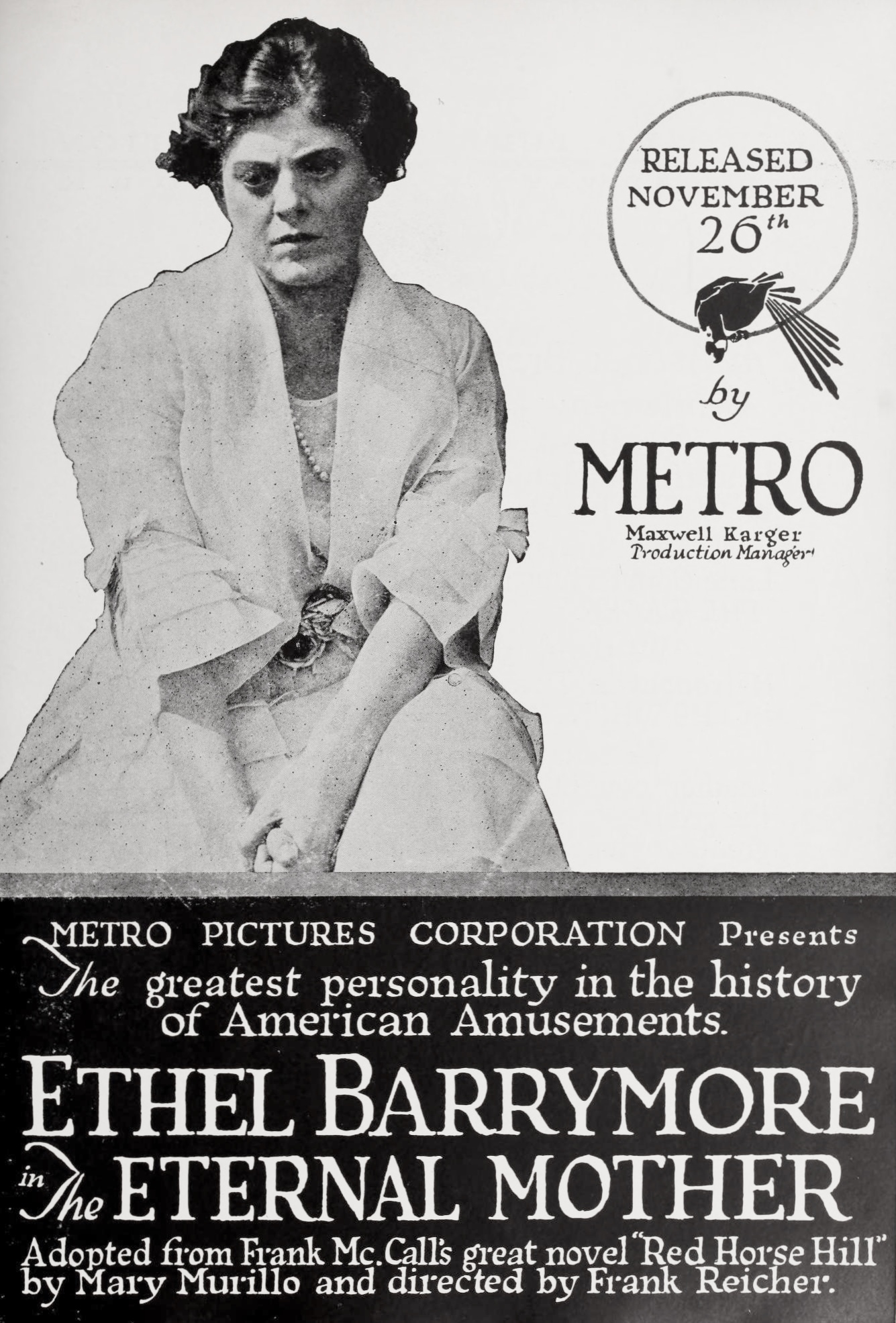
Director's Spotlight: United States
A Deep Dive into the 1917 Vision of Frank Reicher
The enduring fascination with The Eternal Mother is a testament to the artistic risks taken by Frank Reicher that eventually paid off. Challenging the viewer to find meaning in the cult shadows, it reminds us of the fragility and beauty of the 1917s.
In The Eternal Mother, Frank Reicher pushes the boundaries of conventional narrative. The film's unique approach to its subject matter has sparked endless debates and interpretations among cinephiles and critics alike.
The visual language of The Eternal Mother is defined by its use of shadows and framing, a hallmark of Frank Reicher's style. By utilizing a 1917-era palette, the film creates an immersive experience that perfectly complements its cult themes.
| Cinematography | Deep Focus |
| Soundtrack | Minimalist |
| Editing | Disjunctive |
| Art Direction | Baroque |
Visualizing the convergence of Frank Reicher's style and the core cult narrative.
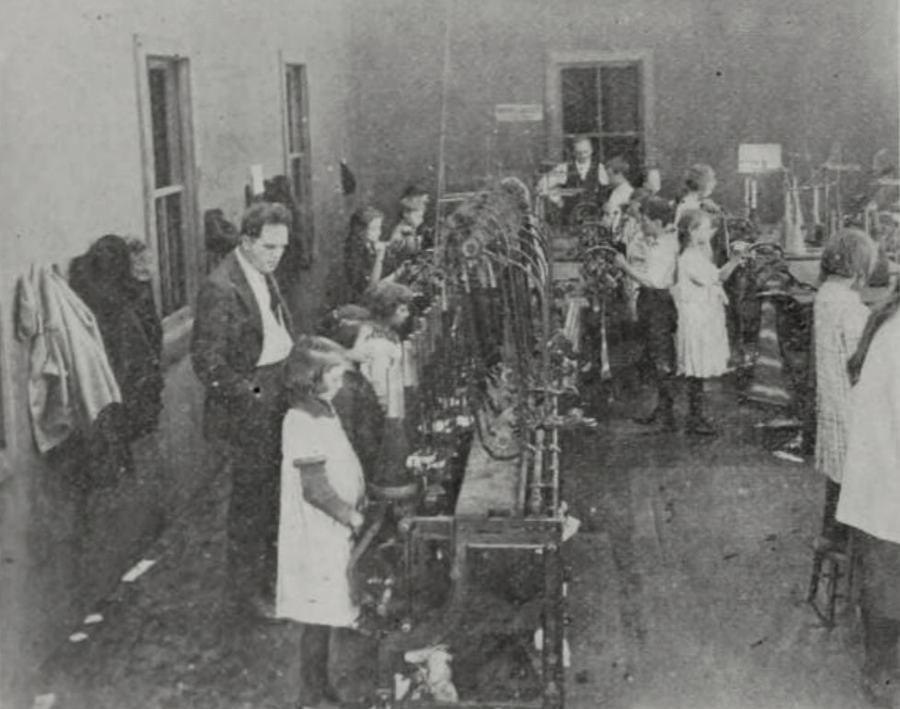
Maris, having married Lynch, a worthless man who deserts her, taking their daughter Felice with him, marries mill owner Dwight Alden after receiving notification that her husband and child are dead. Discovering that Alden employs child labor, Maris, assisted by the village minister, tries to persuade him that this is wrong, but he will tolerate no interference in his business. After violently denouncing Alden from the pulpit, the minister dies and Maris becomes interested in a child who has been injured while working overtime at the mill, only to discover that the child is her daughter and her first husband is still alive. She leaves, taking Felice, and Alden, after having a fight with the first husband, discovers that Lynch had secured a divorce. Alden seeks out Maris, tells her that he has abolished child labor and made other improvements affecting the welfare of his workers, and a reconciliation occurs.
Decades after its release, The Eternal Mother remains a vital piece of the cinematic puzzle. Its influence can be seen in countless modern works, solidifying Frank Reicher's status as a master of the craft in United States and beyond.