
DbcultAccessing Vault...
Director's Spotlight
Senior Film Conservator

Director's Spotlight: United States
A Deep Dive into the 1917 Vision of Frank Reicher
When we examine the cinematic landscape of United States, The Trouble Buster emerges as a landmark work of the unique directorial voice that Frank Reicher brought to the screen. This film stands as a masterclass in visual storytelling, it demands to be seen by anyone who cares about the art of film.
In The Trouble Buster, Frank Reicher pushes the boundaries of conventional narrative. The film's unique approach to its subject matter has sparked endless debates and interpretations among cinephiles and critics alike.
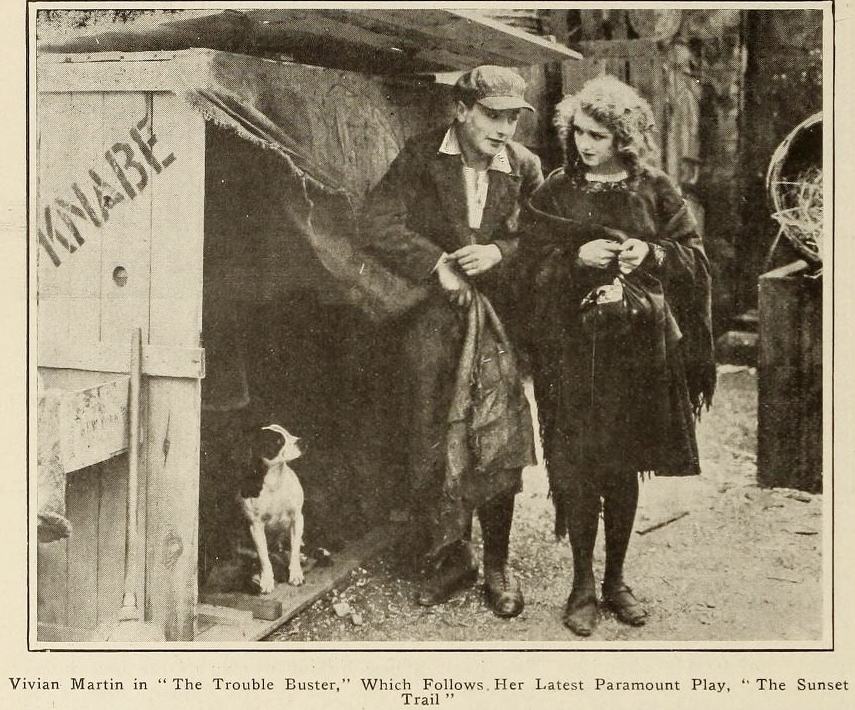
While deeply rooted in United States, The Trouble Buster has achieved a global reach, influencing directors from various backgrounds. Its ability to translate cult tropes into a universal cinematic language is why it remains a cult staple decades after its 1917 release.
| Cinematography | Static |
| Soundtrack | Diegetic |
| Editing | Rhythmic |
| Art Direction | Naturalist |
Visualizing the convergence of Frank Reicher's style and the core cult narrative.
Soon after arriving in the U.S., Romanian immigrant Franz Libelt dies, leaving his daughter Michelna an orphan. The girl is befriended by newsboy Blackie Moyle, who invites her to share his home, which is a large piano box in a vacant lot. After he teaches her to be a "newsie," she cuts her hair, dresses as a boy, and changes her name to Mike. When Blackie is blinded while protecting her from a thief, Mike is forced to find a way to support them both. It occurs to her that two clay statuettes they sculpted might be valuable, so she takes them to an art exhibit. Mike's statue, known as the "trouble buster," sells immediately, but she credits Blackie as the sculptor. He then becomes the sensation of the art world and is sent to Paris to have his sight restored. Blackie comes to understand Mike's deception and returns to the U.S. to set things right. When Blackie is finally reunited with Michelna, she asks why he came back, and he replies, "For the love of Mike."
Decades after its release, The Trouble Buster remains a vital piece of the cinematic puzzle. Its influence can be seen in countless modern works, solidifying Frank Reicher's status as a master of the craft in United States and beyond.