
DbcultAccessing Vault...
Director's Spotlight
Senior Film Conservator
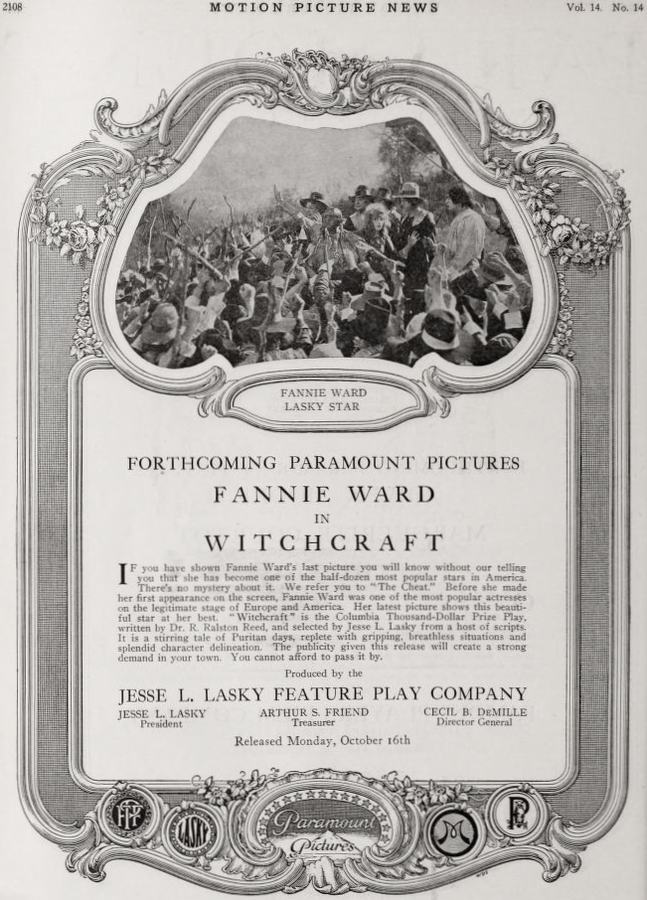
Director's Spotlight: United States
A Deep Dive into the 1916 Vision of Frank Reicher
The thematic gravity of Witchcraft (1916) is rooted in the historical context that Frank Reicher weaves into the cult fabric. Synthesizing the best elements of United States and international cinema, it highlights the importance of independent voices in United States.
In Witchcraft, Frank Reicher pushes the boundaries of conventional narrative. The film's unique approach to its subject matter has sparked endless debates and interpretations among cinephiles and critics alike.
In this work, Frank Reicher explores the intersection of cult and United States cultural identity. The meticulous attention to detail suggests a deep-seated commitment to pushing the boundaries of the medium, ensuring that Witchcraft remains a relevant topic of study for cult enthusiasts.
| Cinematography | Handheld |
| Soundtrack | Orchestral |
| Editing | Slow-Burn |
| Art Direction | Brutalist |
Visualizing the convergence of Frank Reicher's style and the core cult narrative.
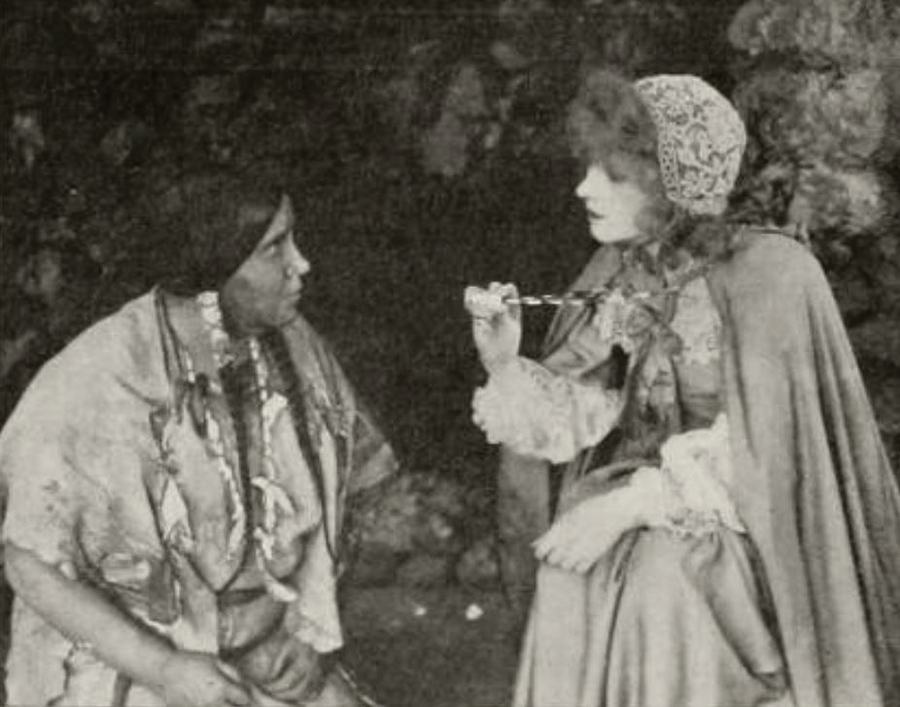
Until the Governor's proclamation put an end to the folly hundreds of innocent people suffered persecution in the New England colonies in 1692-93 from the horrible delusion of witchcraft. Suzette and her mother, Huguenot refugees, take up their residence in one of the colonies. The mother falls ill and Suzette enlists the services of Nokomis, an Indian, to assist her. Nokomis is considered a witch and Suzette's mother's delirium strengthens the suspicion. Suzette meets Richard Wayne, ward of the town miser, Makepease Struble. He accompanies her to her home, and is seen by old Struble, who is angry, desiring the girl for himself. Struble sends Wayne out of the village ostensibly to join the Governor's staff, but in reality to get him out of the way that he may marry Suzette. He succeeds in convincing Suzette that the only way she can save her mother from persecution as a witch is to marry him, and horrified though she is by the idea, she consents. Just after the wedding ceremony, Suzette's mother dies. Nokomis gives the girl a talisman telling her it will make her every wish come true. Upon his return, Captain Wayne is thunderstruck that Struble has married Suzette, and believing the old man's money her only motive, fails to show her proper respect. He is surprised at Suzette's dignified rebuff, realizes his great love for her, and decides to go away forever. Struble is brutal to his young wife, and the talisman in her hand, she tells him he would be better dead. Shortly afterwards Struble is taken ill. Suzette learns from Nokomis that the Indians are planning a mutiny, and hurries to obtain the assistance of Captain Wayne. In the meantime the old man dies accusing Suzette of having cursed him, and when Suzette returns she is found guilty of witchcraft and sentenced to be hanged. Wayne and his men save the colony, and he succeeds in reaching the Governor, who arrives in time to save the innocent girl, and puts an end once and for all to the folly of witchcraft. Wayne takes Suzanne into his arms and away from the old scenes to a new life full of hope for them both.
Decades after its release, Witchcraft remains a vital piece of the cinematic puzzle. Its influence can be seen in countless modern works, solidifying Frank Reicher's status as a master of the craft in United States and beyond.