Summary
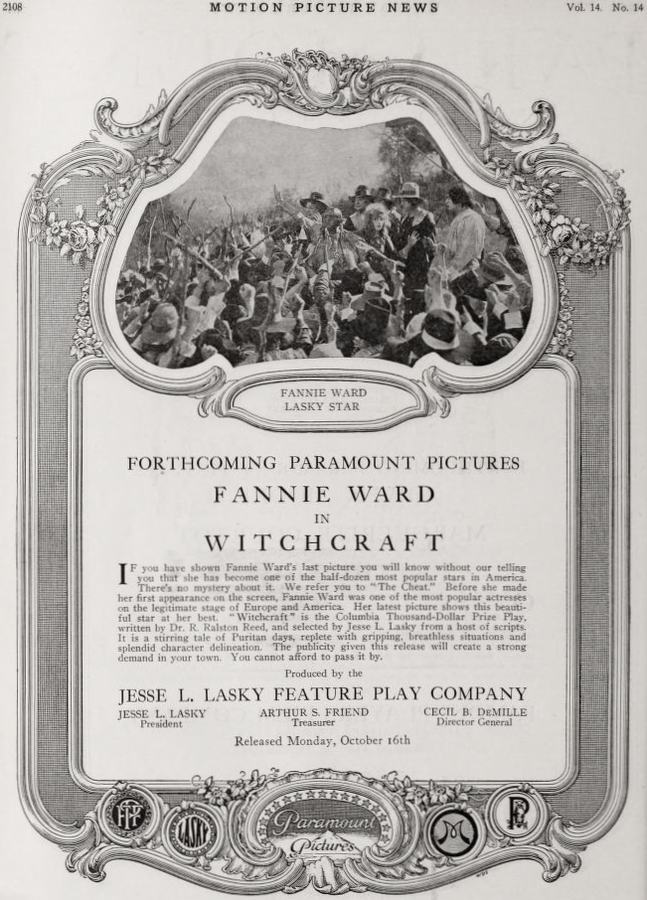
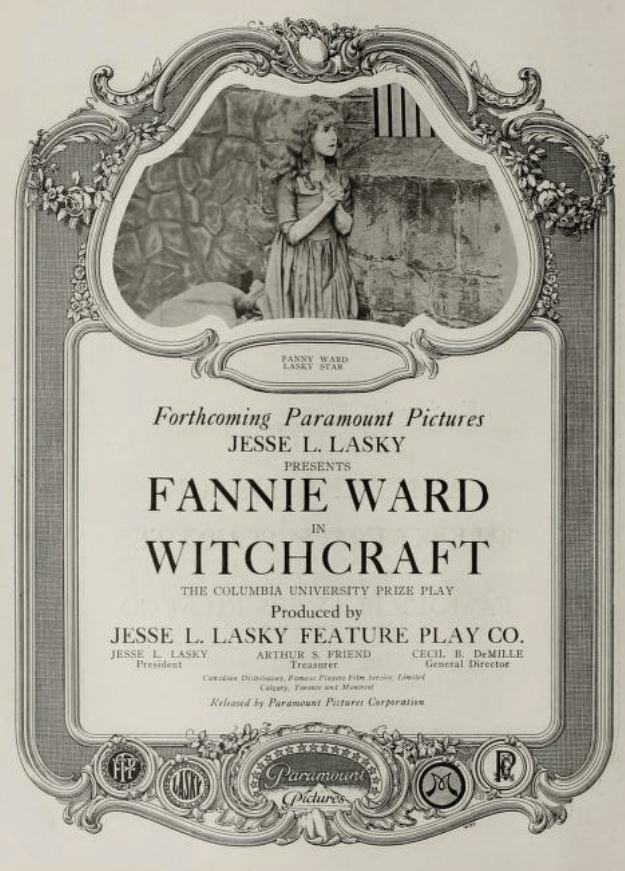
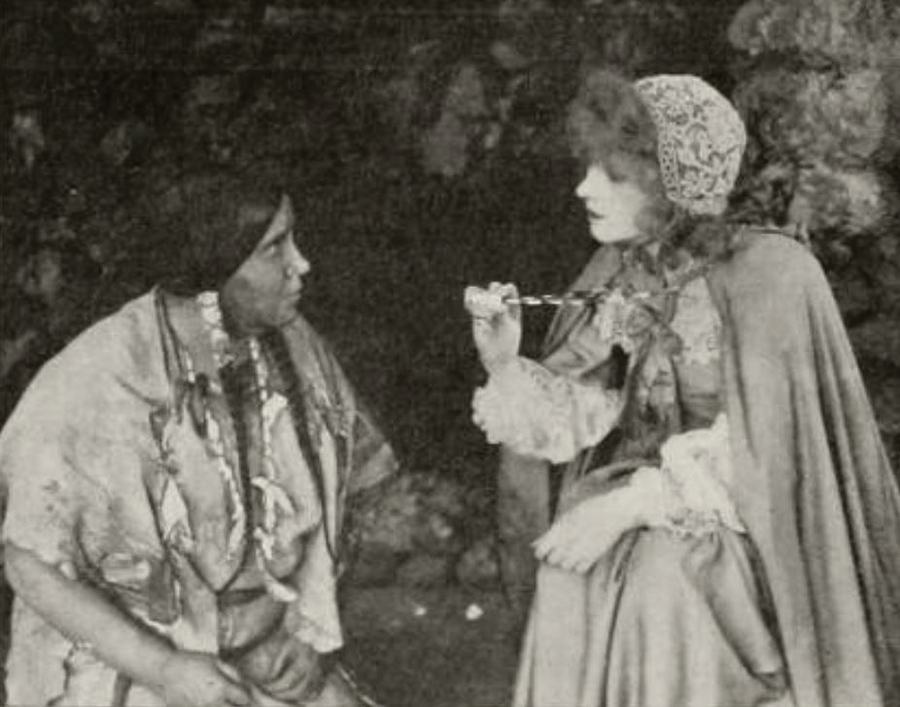
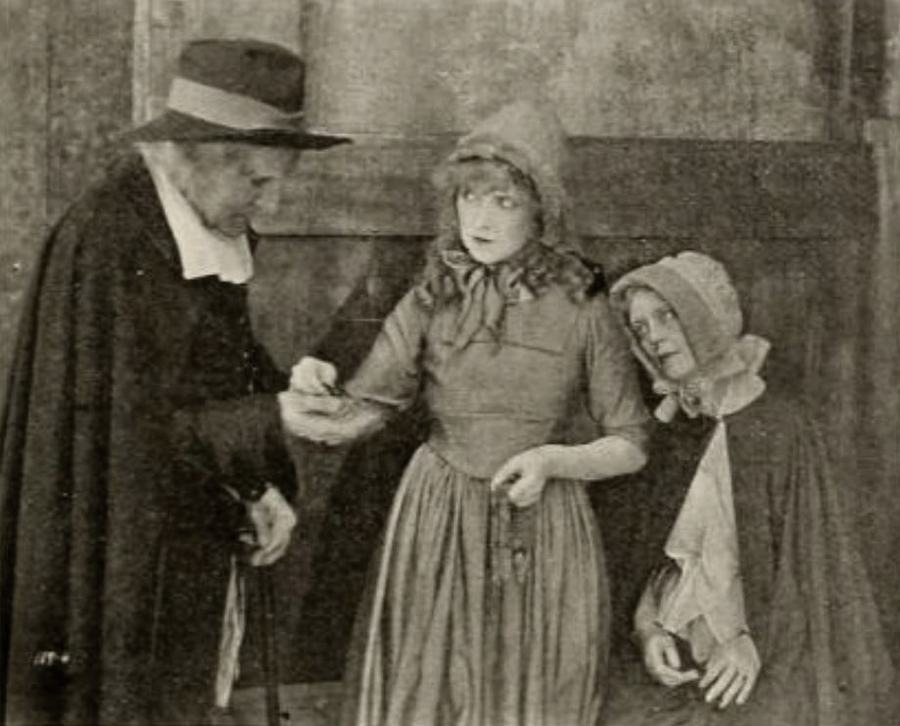
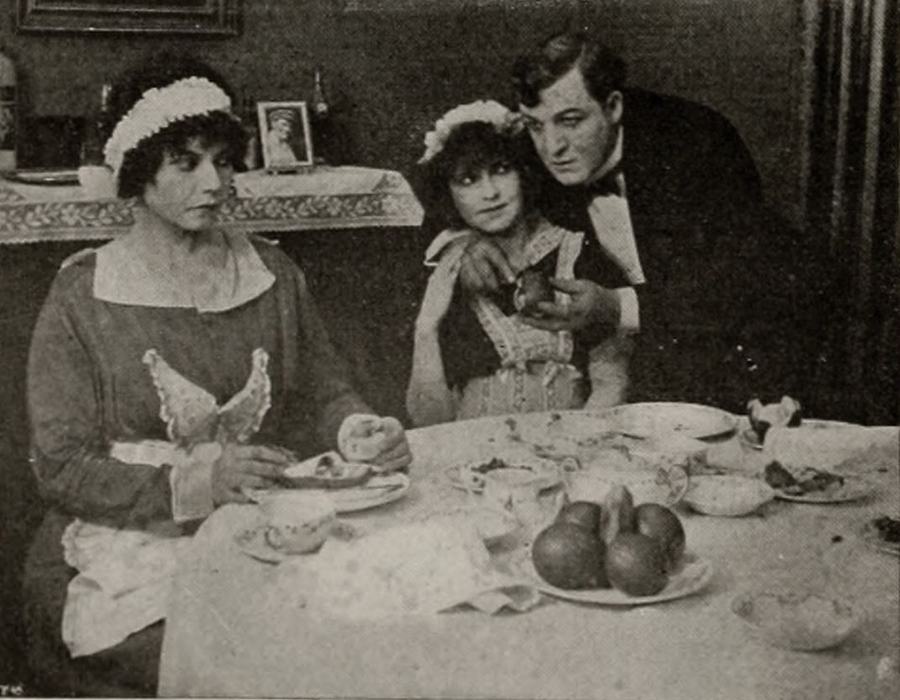
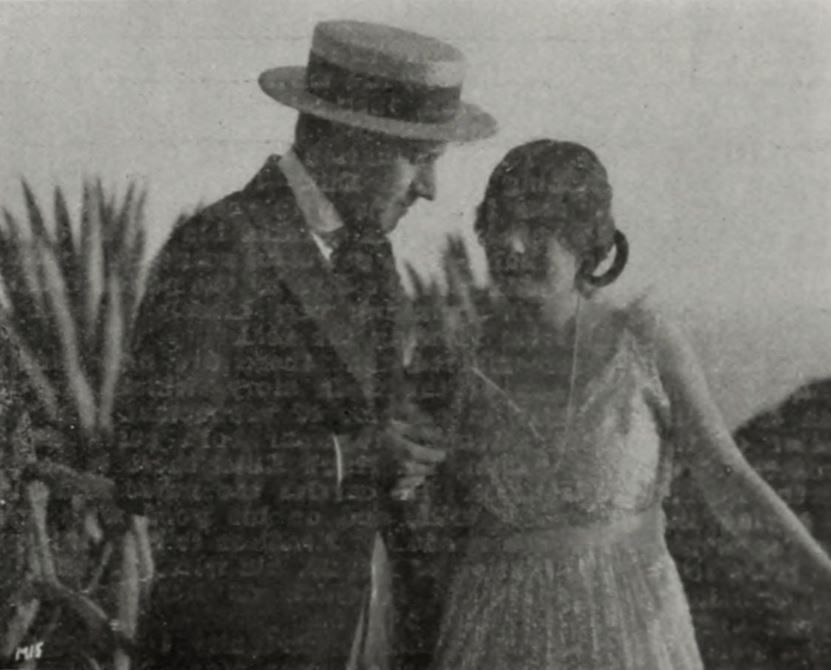
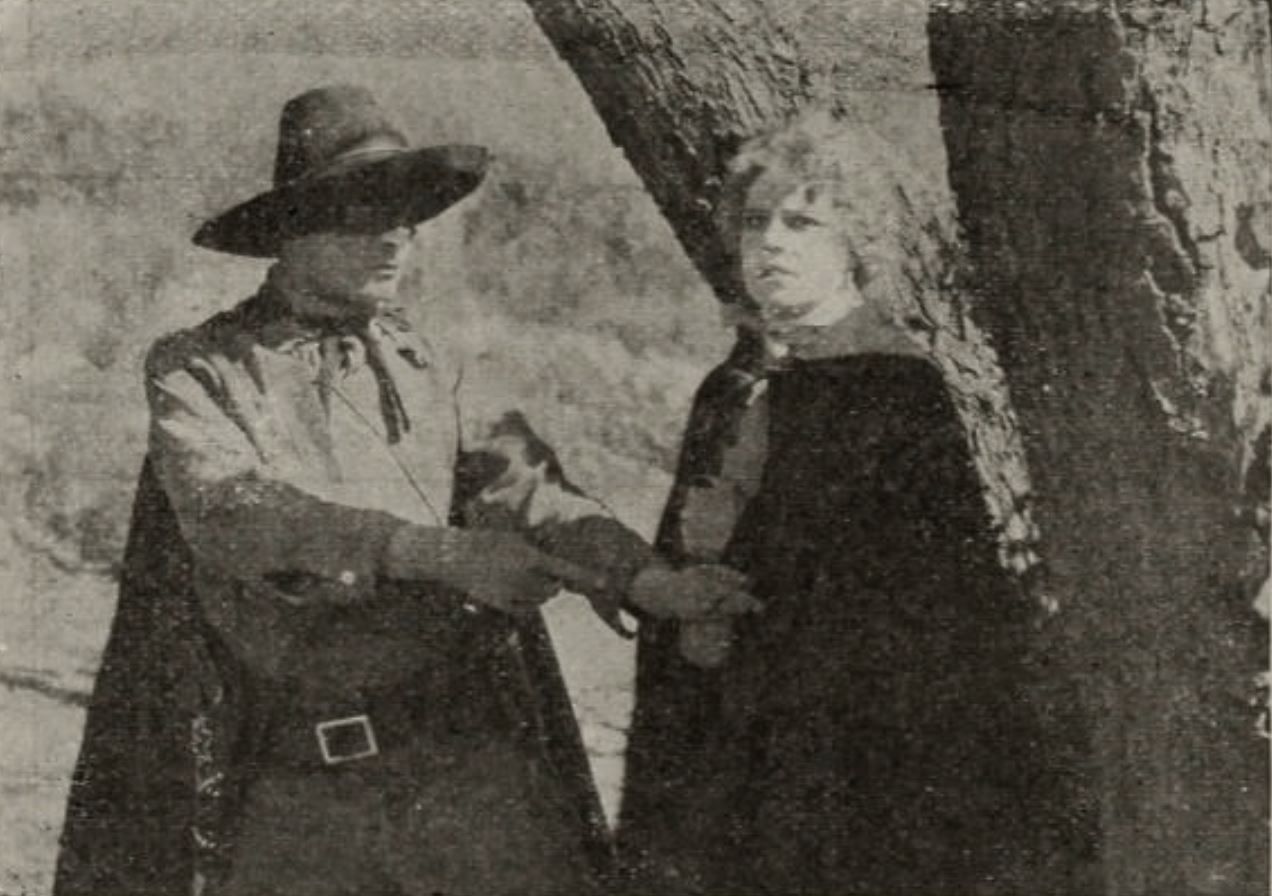
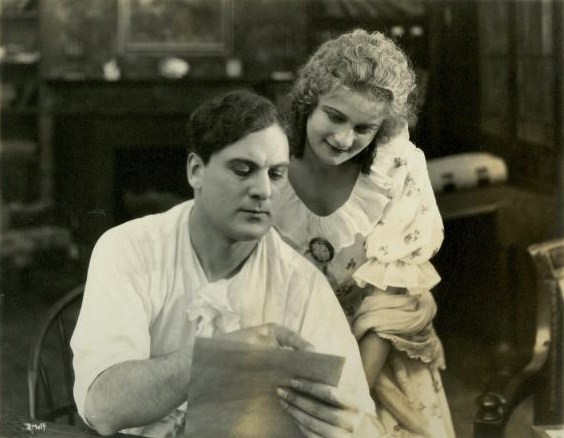
In the fraught landscape of 1692-93 New England, where the chilling grip of witchcraft hysteria ensnared countless innocents, we witness the tragic odyssey of Suzette, a Huguenot refugee, and her ailing mother. Their arrival in the colonies marks the genesis of their torment, as the mother's mysterious illness draws the attention of Nokomis, an Indigenous woman revered and feared as a witch. This association ignites the flames of suspicion, further stoked by the malevolent gaze of Makepease Struble, the town's avaricious miser. Struble, coveting Suzette for himself, cunningly dispatches Richard Wayne – Suzette’s nascent love and his own ward – under false pretenses. He then manipulates Suzette, convincing her that only through marriage to him can she avert her mother’s condemnation as a sorceress. A horrifying union ensues, tragically culminating in her mother’s death immediately after the vows. Nokomis, ever the enigmatic figure, bestows upon Suzette a potent talisman, promising the fulfillment of her desires. Upon his return, Wayne, misinterpreting Suzette’s motives, cruelly dismisses her, believing her solely driven by Struble’s wealth. His eventual realization of his profound love for her prompts a decision to depart. Meanwhile, Struble’s brutality intensifies, and in a moment of despair, Suzette, holding the talisman, wishes him dead. Soon after, Struble falls gravely ill, dying with a final, damning accusation against Suzette. As the community descends into tribal mutiny, Suzette is condemned for witchcraft and sentenced to the gallows. It is Wayne, now a captain, who heroically intervenes, not only quelling the uprising but also securing the Governor’s timely arrival, which shatters the delusion of witchcraft and spares Suzette. In a poignant embrace, Wayne whisks Suzette away from the shadow of past horrors, towards a future imbued with hope and mutual affection.
Synopsis
Until the Governor's proclamation put an end to the folly hundreds of innocent people suffered persecution in the New England colonies in 1692-93 from the horrible delusion of witchcraft. Suzette and her mother, Huguenot refugees, take up their residence in one of the colonies. The mother falls ill and Suzette enlists the services of Nokomis, an Indian, to assist her. Nokomis is considered a witch and Suzette's mother's delirium strengthens the suspicion. Suzette meets Richard Wayne, ward of the town miser, Makepease Struble. He accompanies her to her home, and is seen by old Struble, who is angry, desiring the girl for himself. Struble sends Wayne out of the village ostensibly to join the Governor's staff, but in reality to get him out of the way that he may marry Suzette. He succeeds in convincing Suzette that the only way she can save her mother from persecution as a witch is to marry him, and horrified though she is by the idea, she consents. Just after the wedding ceremony, Suzette's mother dies. Nokomis gives the girl a talisman telling her it will make her every wish come true. Upon his return, Captain Wayne is thunderstruck that Struble has married Suzette, and believing the old man's money her only motive, fails to show her proper respect. He is surprised at Suzette's dignified rebuff, realizes his great love for her, and decides to go away forever. Struble is brutal to his young wife, and the talisman in her hand, she tells him he would be better dead. Shortly afterwards Struble is taken ill. Suzette learns from Nokomis that the Indians are planning a mutiny, and hurries to obtain the assistance of Captain Wayne. In the meantime the old man dies accusing Suzette of having cursed him, and when Suzette returns she is found guilty of witchcraft and sentenced to be hanged. Wayne and his men save the colony, and he succeeds in reaching the Governor, who arrives in time to save the innocent girl, and puts an end once and for all to the folly of witchcraft. Wayne takes Suzanne into his arms and away from the old scenes to a new life full of hope for them both.
Review Excerpt
"
Stepping back into the nascent days of cinema, we find ourselves confronted by the stark, often melodramatic, yet undeniably compelling narratives that defined the silent era. Among these, the 1916 production of Witchcraft emerges as a particularly potent example, a film that doesn't merely recount a story but plunges headlong into the historical maelstrom of fear and delusion that gripped the New England colonies in 1692-93. It’s a fascinating, if at times heavy-handed, explorati..."