
DbcultAccessing Vault...
Director's Spotlight
Senior Film Conservator
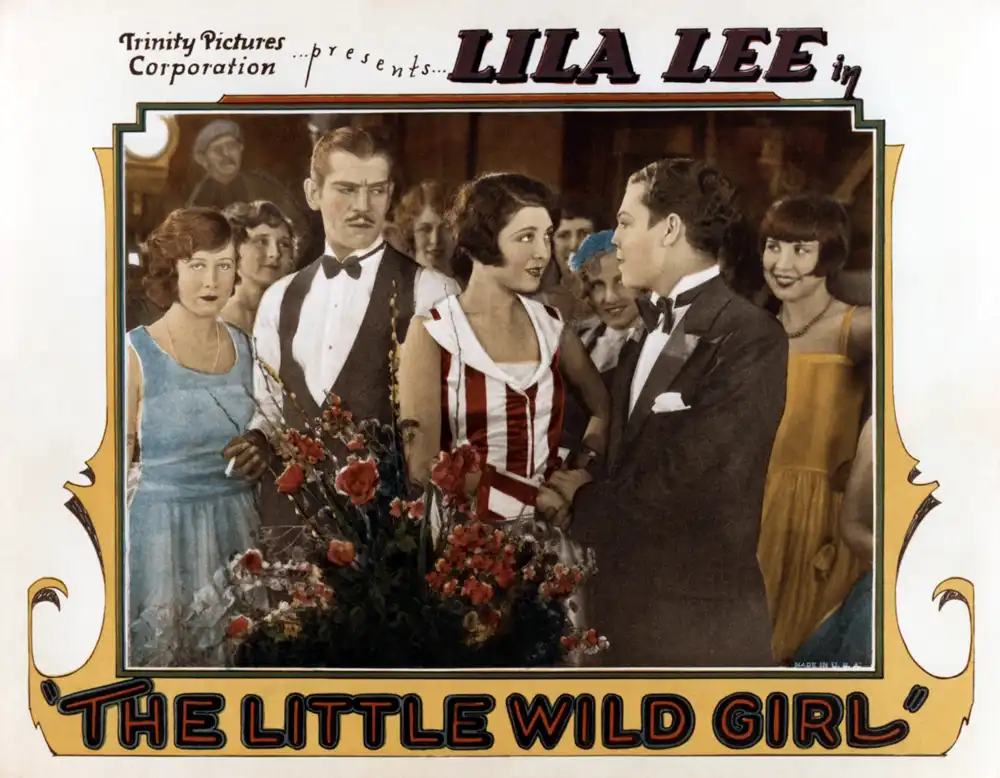
Director's Spotlight: United States
A Deep Dive into the 1928 Vision of Frank S. Mattison
The cult DNA of The Little Wild Girl is a reflection of United States's the historical context that Frank S. Mattison weaves into the cult fabric. Challenging the viewer to find meaning in the cult shadows, it transcends regional boundaries to tell a universal story.
In The Little Wild Girl, Frank S. Mattison pushes the boundaries of conventional narrative. The film's unique approach to its subject matter has sparked endless debates and interpretations among cinephiles and critics alike.
The visual language of The Little Wild Girl is defined by its use of shadows and framing, a hallmark of Frank S. Mattison's style. By utilizing a 1928-era palette, the film creates an immersive experience that perfectly complements its cult themes.
| Cinematography | Noir-Inspired |
| Soundtrack | Diegetic |
| Editing | Elliptical |
| Art Direction | Expressionist |
Visualizing the convergence of Frank S. Mattison's style and the core cult narrative.
Vacationing in the Canadian Northwest, a playwright and a songwriter both fall in love with Marie Cleste and take her back with them to New York when her father and her sweetheart apparently die in a forest fire. (The father did perish; the sweetheart escaped, crippled, with his blinded Indian guide into the forest to hide his infirmities.) Marie becomes a Broadway star, only to find it necessary to leave New York hurriedly under suspicion of the murder of one of her "angels." (The real murderer escapes, but is later captured in the Northwest.) Returning to her hometown, Marie finds considerable local opposition to her presence; but she finally finds happiness in the arms of her sweetheart, who has returned also, inherited a fortune, and recovered the use of his legs.
Decades after its release, The Little Wild Girl remains a vital piece of the cinematic puzzle. Its influence can be seen in countless modern works, solidifying Frank S. Mattison's status as a master of the craft in United States and beyond.