
DbcultAccessing Vault...
Director's Spotlight
Senior Film Conservator
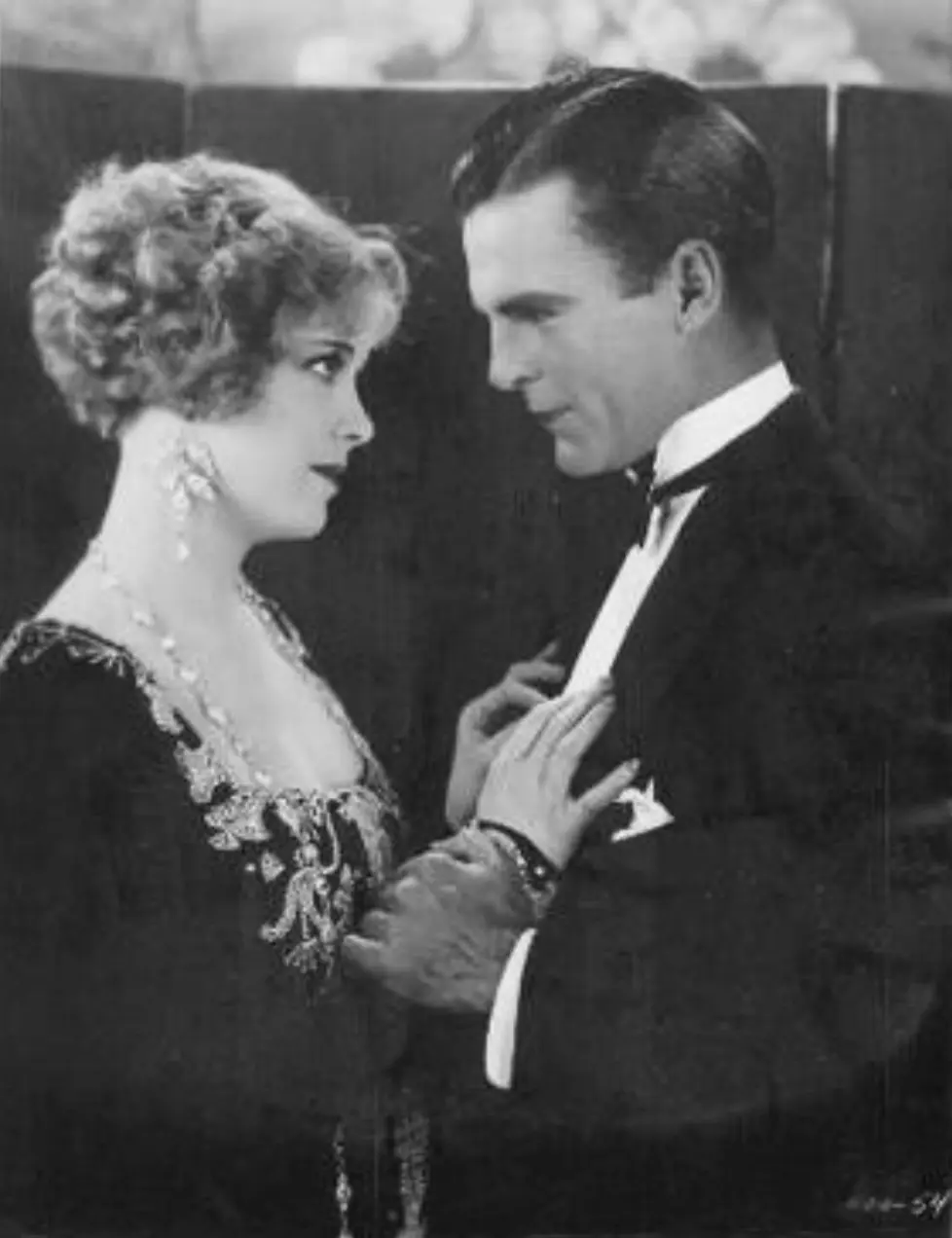
Director's Spotlight: United States
A Deep Dive into the 1927 Vision of Frank Tuttle
In the storied career of Frank Tuttle, The Spotlight stands as a the atmospheric immersion that Frank Tuttle achieves throughout The Spotlight. Reflecting the political and social shifts of the 1927s, it reinforces the idea that cinema is a medium of infinite possibilities.
In The Spotlight, Frank Tuttle pushes the boundaries of conventional narrative. The film's unique approach to its subject matter has sparked endless debates and interpretations among cinephiles and critics alike.
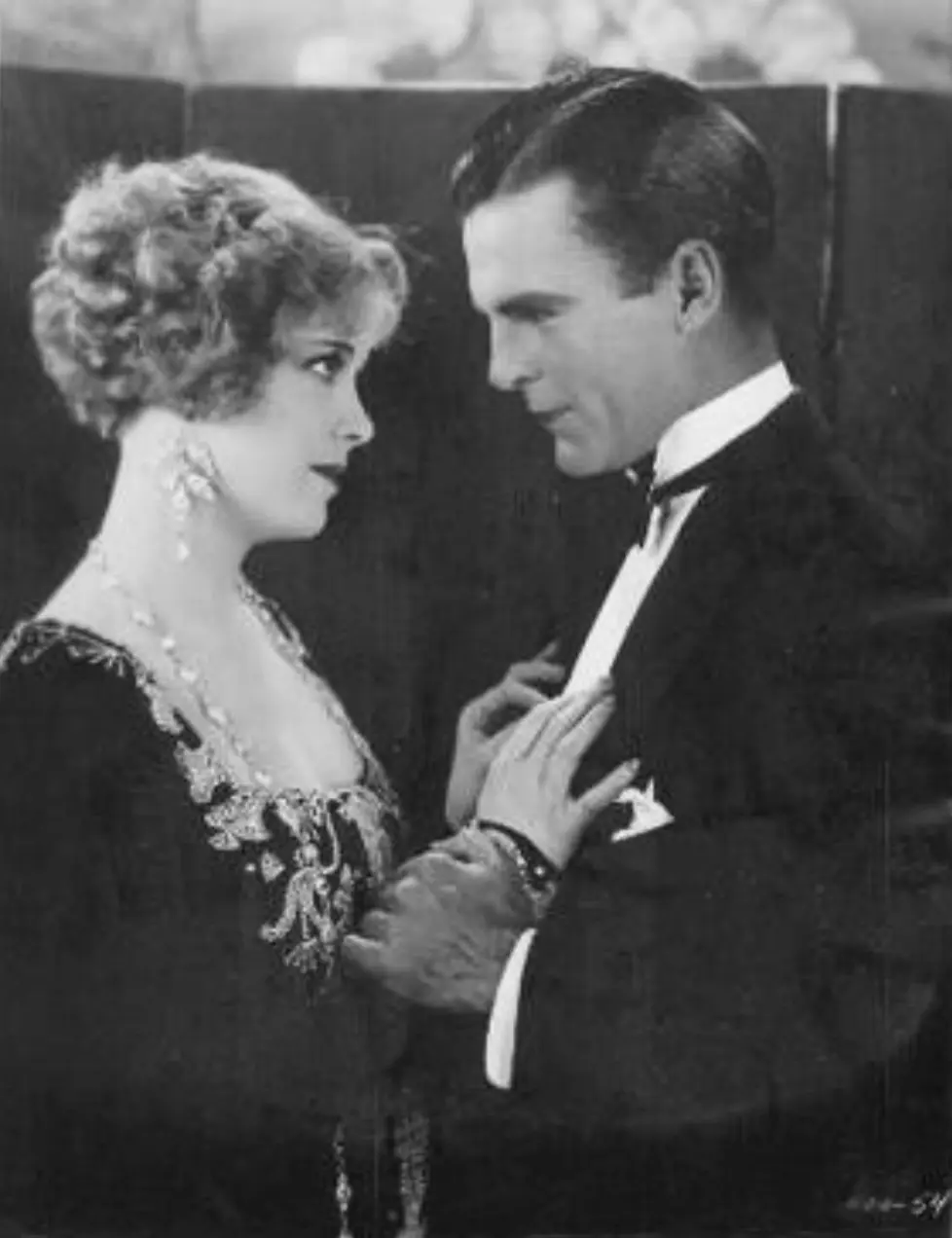
In this work, Frank Tuttle explores the intersection of Comedy and United States cultural identity. The meticulous attention to detail suggests a deep-seated commitment to pushing the boundaries of the medium, ensuring that The Spotlight remains a relevant topic of study for Comedy enthusiasts.
| Cinematography | Handheld |
| Soundtrack | Diegetic |
| Editing | Elliptical |
| Art Direction | Expressionist |
Visualizing the convergence of Frank Tuttle's style and the core Comedy narrative.
Lizzie Stokes, an obscure and colorless actress, is elevated to stardom through publicity and better coaching from Daniel Hoffman, a theatrical producer. As Olga Rostova, an exotic Russian, she meets Norman Brooke, whose infatuation turns to love. Hoffman suggests that Norman could never care for Lizzie and proves his point. Heartbroken, Lizzie decides to see no more of him. On closing night, when he proposes to her in her dressing room and she refuses, Norman declares he must believe all the lurid details of her past; in desperation, she bares her true identity, only to find it is not her glamorous image but rather her real self that he loves.
Decades after its release, The Spotlight remains a vital piece of the cinematic puzzle. Its influence can be seen in countless modern works, solidifying Frank Tuttle's status as a master of the craft in United States and beyond.