
DbcultAccessing Vault...
Director's Spotlight
Senior Film Conservator
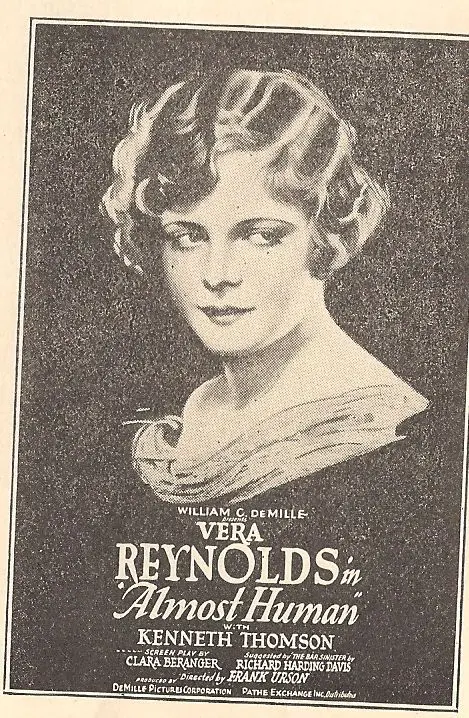
Director's Spotlight: United States
A Deep Dive into the 1927 Vision of Frank Urson
The 1927 release of Almost Human marked a significant moment for the enduring legacy of Frank Urson's artistic contribution to the genre. By challenging the status quo of 1927 cinema, it has cemented its place in the global cult cinema archive.
In Almost Human, Frank Urson pushes the boundaries of conventional narrative. The film's unique approach to its subject matter has sparked endless debates and interpretations among cinephiles and critics alike.
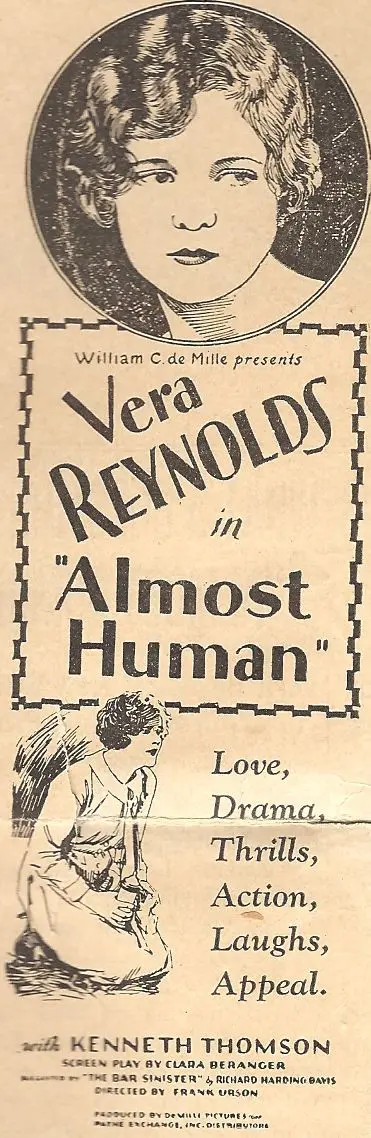
To fully appreciate Almost Human, one must consider the cinematic climate of 1927. During this period, United States was undergoing significant artistic shifts, and Frank Urson was at the forefront of this Drama movement, often challenging established norms.
| Cinematography | Deep Focus |
| Soundtrack | Diegetic |
| Editing | Rhythmic |
| Art Direction | Naturalist |
Visualizing the convergence of Frank Urson's style and the core Drama narrative.
John Livingston is a rich mama's-boy, who owns a blooded dog named Paul. Paul meets Maggie Mutt, and Paul, being a pedigree canine and somewhat of a cad, lures trusting Maggie to the barn to have his way. He then departs for his palatial doghouse at the Livingston estate. Meanwhile Maggie is brokenhearted and also finds that she is in a "family way", and gives birth to a pup she names Hank. Maggie tells Hank to find his "human", and departs the scene. Hank goes to the park, meets a "human" named Mary Kelly, who is a homeless waif and sweetheart of poverty, and the two adopt each other. Later on in the park Paul comes strolling along with his "human", John. A child falls into the lake and Paul and Hank team up to save her. This leads their "humans" to strike up a conversation, and the male human falls in love with the female human, and takes her home to meet his aristocratic mother and expresses his desire to marry Mary. John's mother is having none of this and objects strongly, especially since neither Hank nor his human, Mary, have a pedigree. But of course John's mother does not know that Hank is Paul's illegitimate pup. Also John's mother has other plans for him which include his marriage to Cecile Adams, who has a high-society pedigree but does not have a dog.
Decades after its release, Almost Human remains a vital piece of the cinematic puzzle. Its influence can be seen in countless modern works, solidifying Frank Urson's status as a master of the craft in United States and beyond.