
DbcultAccessing Vault...
Director's Spotlight
Senior Film Conservator
Director's Spotlight: United States
A Deep Dive into the 1921 Vision of Franklin B. Coates
The brilliance of Jesse James as the Outlaw (1921) is inseparable from a monumental shift in History filmmaking spearheaded by Franklin B. Coates. Occupying a unique space between History and pure art, it serves as a blueprint for future generations of History directors.
In Jesse James as the Outlaw, Franklin B. Coates pushes the boundaries of conventional narrative. The film's unique approach to its subject matter has sparked endless debates and interpretations among cinephiles and critics alike.
While deeply rooted in United States, Jesse James as the Outlaw has achieved a global reach, influencing directors from various backgrounds. Its ability to translate History tropes into a universal cinematic language is why it remains a cult staple decades after its 1921 release.
| Cinematography | Static |
| Soundtrack | Diegetic |
| Editing | Elliptical |
| Art Direction | Expressionist |
Visualizing the convergence of Franklin B. Coates's style and the core History narrative.
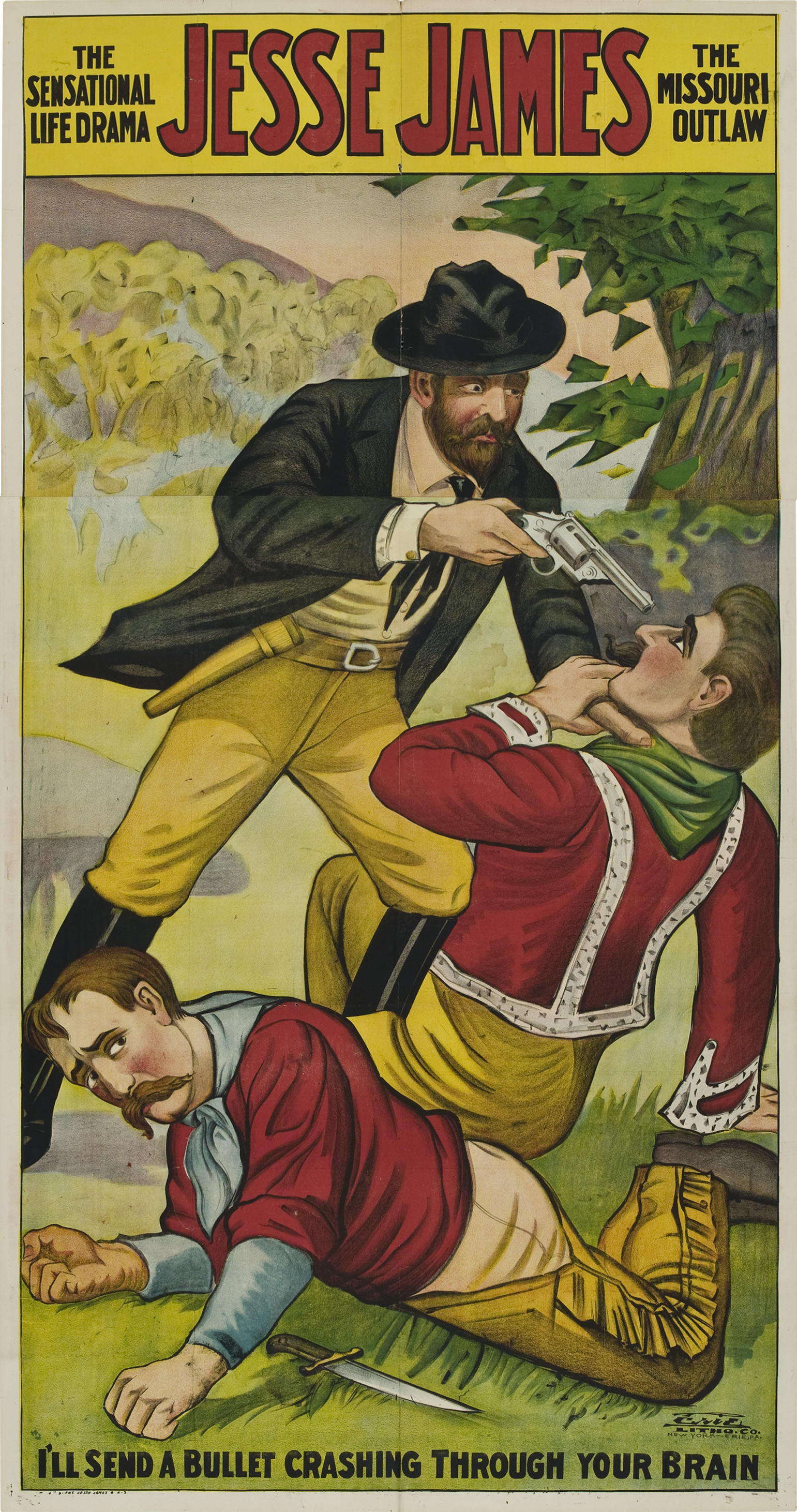
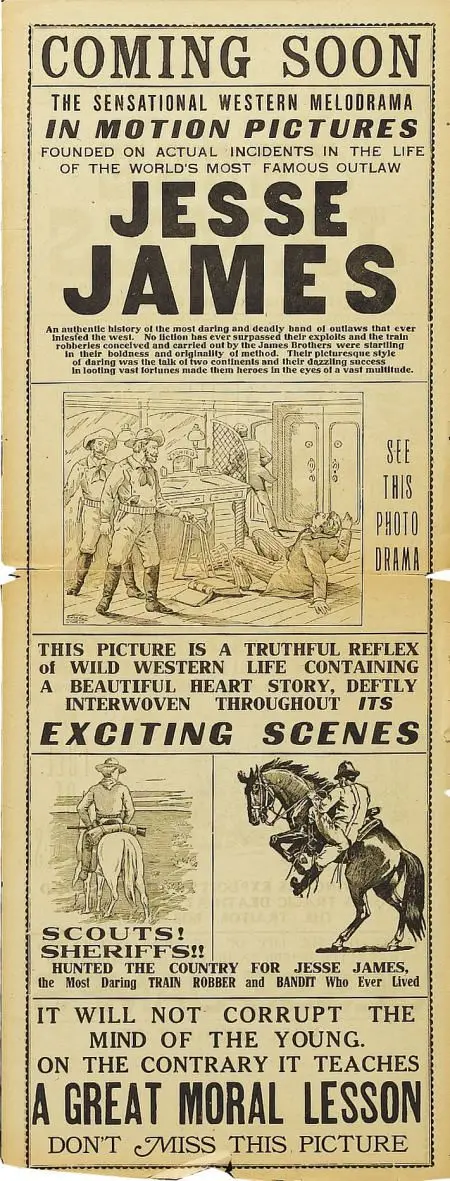
Depicts Jesse James' return home to Missouri after the Civil War hoping to live a life of peace, but is falsely accused of robbing a bank. He is forced to take up a life of crime by being branded an outlaw. Crimes are commited and blamed on him, his family is maimed by the Pinkerton Detective Agency, but all the while James is able to perform charitable acts to citizens. James is finally assasinated by Bob Ford. All told in a flashback style by Jesse James Jr. to a eastern baeu asking for his daughters' hand in marrage.
Decades after its release, Jesse James as the Outlaw remains a vital piece of the cinematic puzzle. Its influence can be seen in countless modern works, solidifying Franklin B. Coates's status as a master of the craft in United States and beyond.