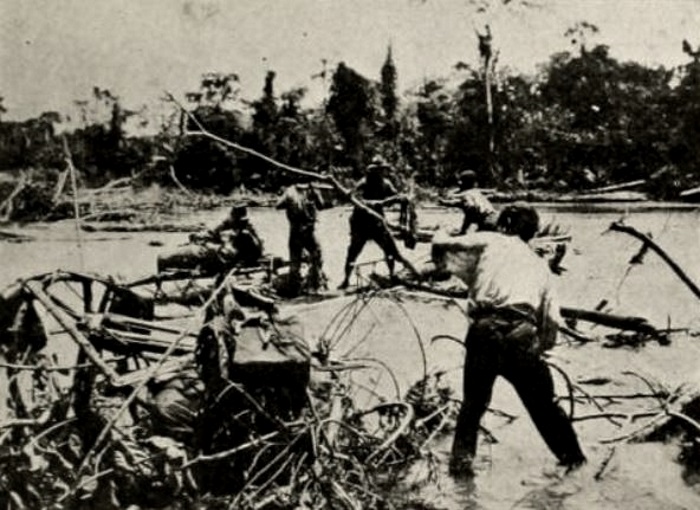
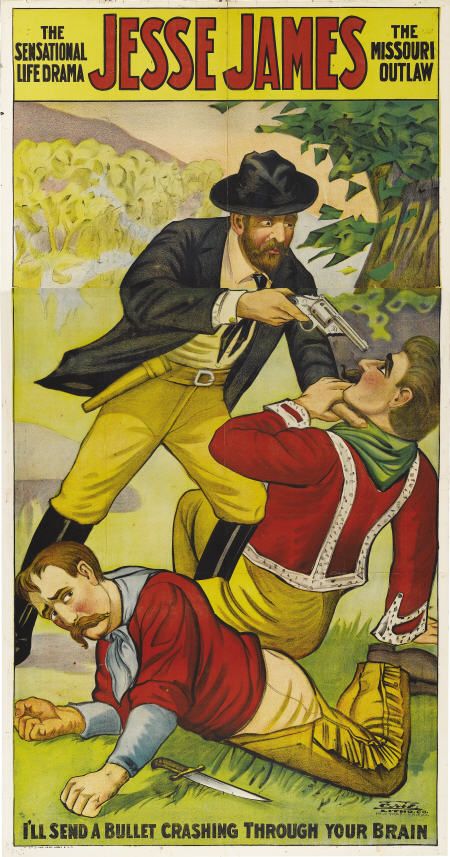
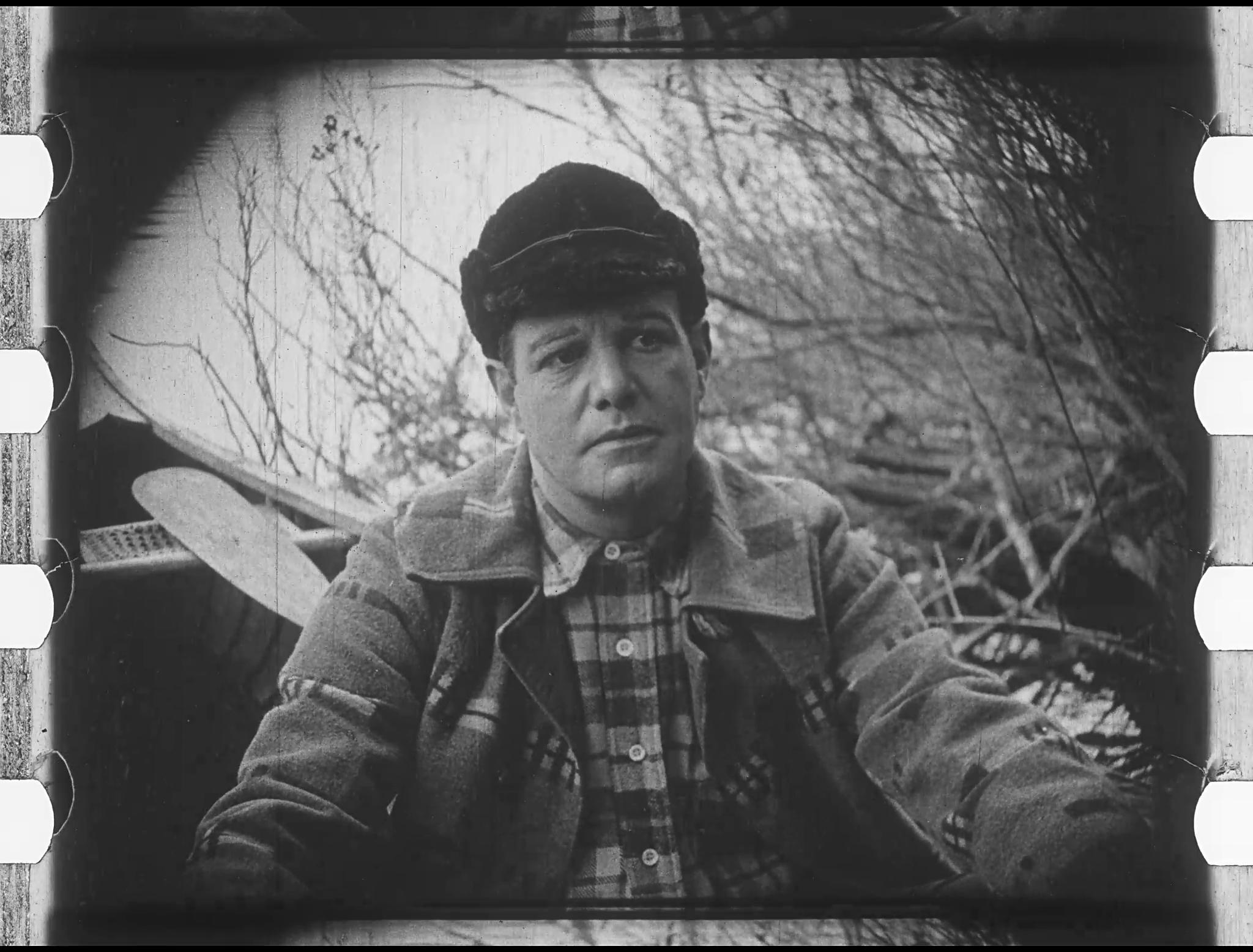
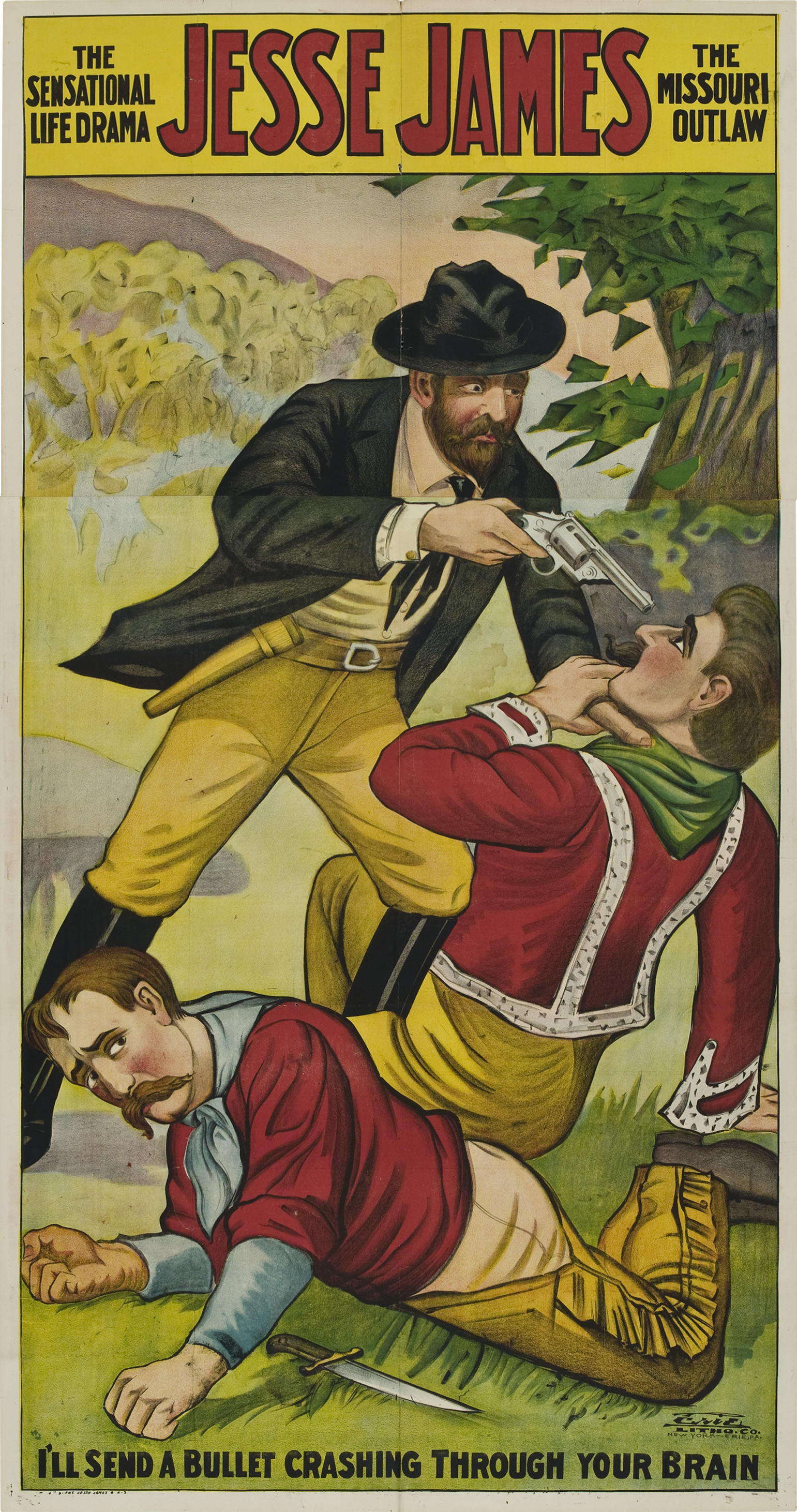
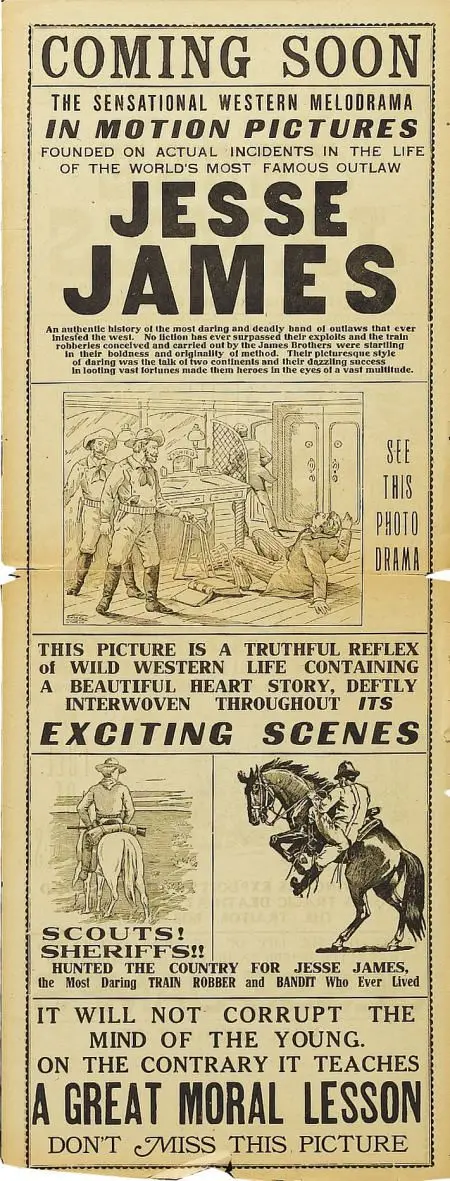
Depicts Jesse James' return home to Missouri after the Civil War hoping to live a life of peace, but is falsely accused of robbing a bank. He is forced to take up a life of crime by being branded an outlaw.
The year 1921 was a threshold for the American Western, a period where the grit of the frontier was still a living memory for some, yet already being polished into the shimmering artifice of Hollywood legend. In this cultural crucible, Jesse James as the Outlaw emerges not merely as a motion picture, but as a fascin...
production_art
Comparing the cinematic DNA and archive impact of two defining moments in cult history.
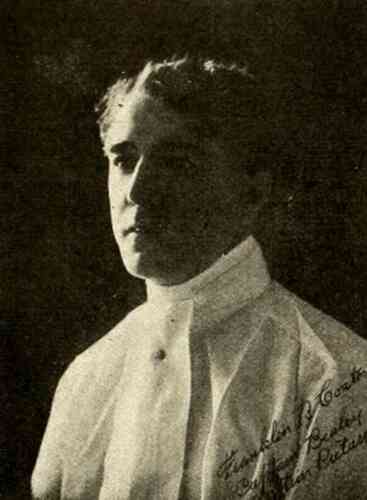
Franklin B. Coates
Robert N. Bradbury
Community
Log in to comment.
" The year 1921 was a threshold for the American Western, a period where the grit of the frontier was still a living memory for some, yet already being polished into the shimmering artifice of Hollywood legend. In this cultural crucible, Jesse James as the Outlaw emerges not merely as a motion picture, but as a fascinating act of reputation management. Starring Jesse James Jr. as his own father, the film carries a weight of perceived authenticity that few contemporary biopics could hope to emul..."
Frances Coffey
Franklin B. Coates
United States
Deep dive into the cult classic
Discover similar cinematic experiences
A Directorial Spotlight on Franklin B. Coates