
DbcultAccessing Vault...
Director's Spotlight
Senior Film Conservator
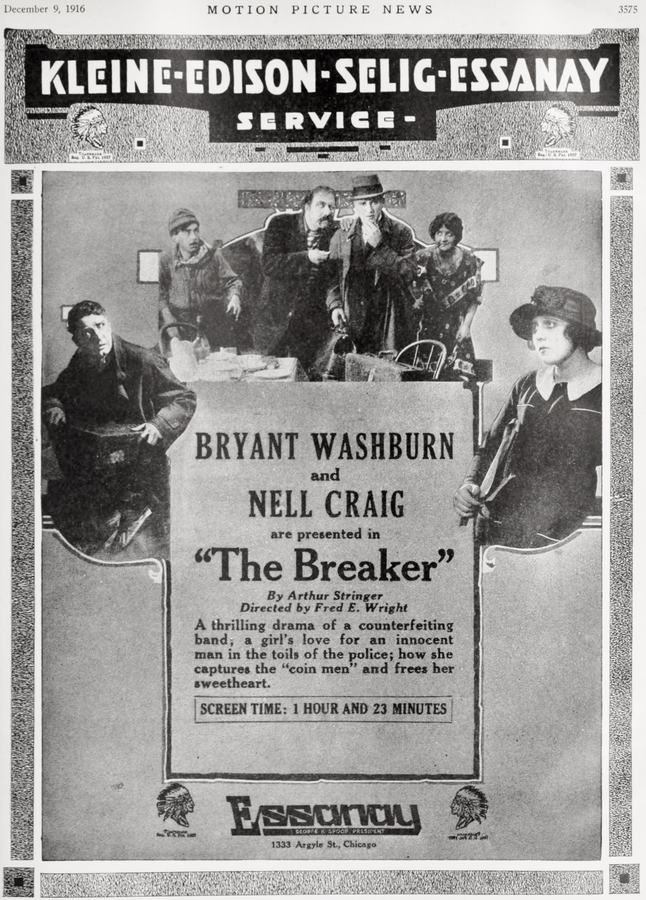
Director's Spotlight: United States
A Deep Dive into the 1916 Vision of Fred E. Wright
Deciphering the layers of The Breaker (1916) reveals the complex thematic architecture established by Fred E. Wright. Utilizing a 1916-specific aesthetic that remains timeless, it stands as the definitive 1916 statement on cult identity.
In The Breaker, Fred E. Wright pushes the boundaries of conventional narrative. The film's unique approach to its subject matter has sparked endless debates and interpretations among cinephiles and critics alike.
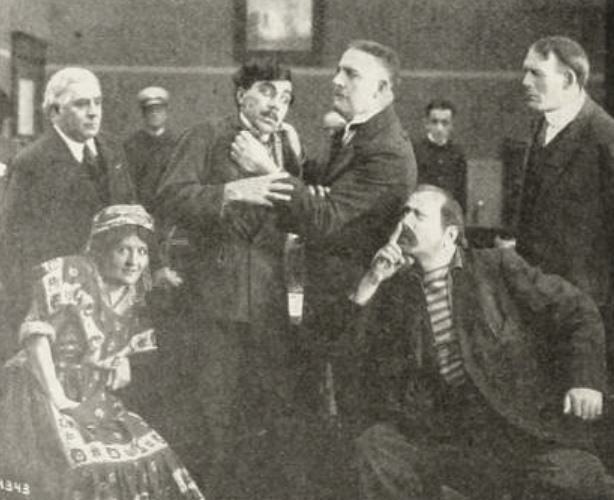
In this work, Fred E. Wright explores the intersection of cult and United States cultural identity. The meticulous attention to detail suggests a deep-seated commitment to pushing the boundaries of the medium, ensuring that The Breaker remains a relevant topic of study for cult enthusiasts.
| Cinematography | Handheld |
| Soundtrack | Synth-Heavy |
| Editing | Disjunctive |
| Art Direction | Baroque |
Visualizing the convergence of Fred E. Wright's style and the core cult narrative.
Piazzia, a notorious counterfeiter, is trailed by government detectives. To elude the sleuths, the crook surreptitiously exchanges a portmanteau filled with spurious money for one which John Widder, an eccentric young inventor, carries. There comes to live in the garret room adjoining that of Widder's, Alice Treadwell. She ekes out a miserable existence typing intricate medical treatises. John, to aid the girl in dire distress, overcomes his scruples and cashes one of the counterfeit bills. He confesses his crime to Alice, and tells her how he came into possession of the counterfeiter's suitcase. Together they seek the counterfeiters. Government agents appear and arrest John. Alice, however, steps forward, orders John's release and the rest of the real crooks. Her orders are obeyed promptly, for, it develops, Alice, instead of being a struggling little typist, is indeed one of the secret service agents who had been set to trap the crooks. With $2,000 reward as their home stake, John and Alice are married.
Decades after its release, The Breaker remains a vital piece of the cinematic puzzle. Its influence can be seen in countless modern works, solidifying Fred E. Wright's status as a master of the craft in United States and beyond.