
DbcultAccessing Vault...
Director's Spotlight
Senior Film Conservator
Director's Spotlight: United States
A Deep Dive into the 1917 Vision of Fred E. Wright
When we examine the cinematic landscape of United States, The Kill-Joy emerges as a landmark work of the unique directorial voice that Fred E. Wright brought to the screen. This film stands as a masterclass in visual storytelling, it demands to be seen by anyone who cares about the art of film.
In The Kill-Joy, Fred E. Wright pushes the boundaries of conventional narrative. The film's unique approach to its subject matter has sparked endless debates and interpretations among cinephiles and critics alike.
| Cinematography | Noir-Inspired |
| Soundtrack | Synth-Heavy |
| Editing | Disjunctive |
| Art Direction | Baroque |
Visualizing the convergence of Fred E. Wright's style and the core cult narrative.
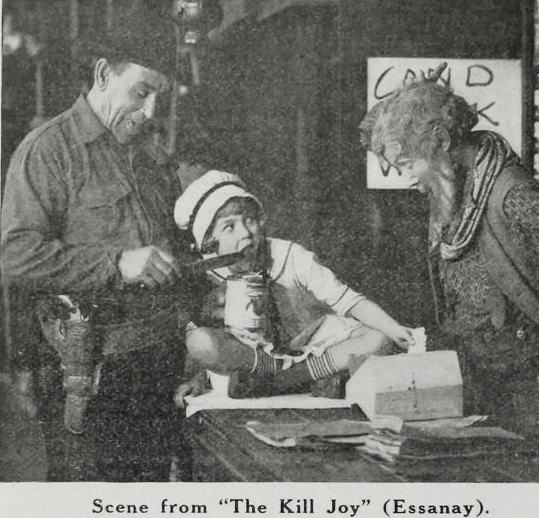
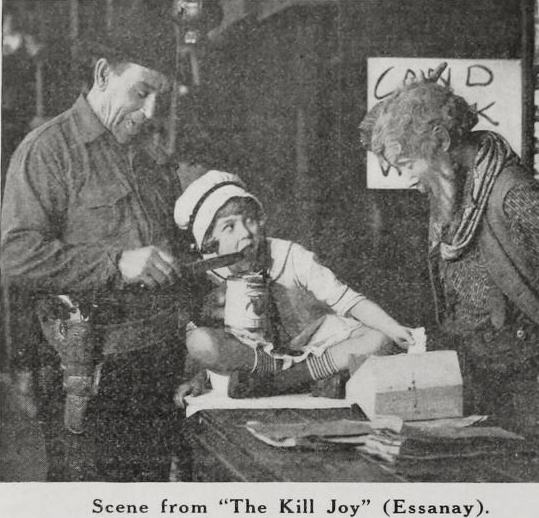
Billie and her father are crossing the plains to the frontier town of "Contentment," an "Eyeless Eden," when he becomes lost in a search for water, falls from a cliff and is killed. Little Billie is picked up by Bob, driver of a merchandise wagon, and is taken to "Contentment" and secreted in his cabin. Bob's suspicious actions arouse the curiosity of his fellow townsmen, who believe he has brought a woman to his cabin. They see him stroking the child's hair as she sleeps, only the back of her head is turned to the eavesdroppers, and, believing their suspicions confirmed, they organize a vigilance committee and procure a rope. Their consternation is overwhelming when they find Billie, but still they are annoyed by her presence. "The Crab" arranges to have her kidnapped by Indians, but in the day intervening the abduction, Billie, with her smile and childish confidence has won over the majority of the "Eveless Eden," including "Sure Shot Mike," "The Denver Kid," "Rattlesnake Pete," and "Death Valley Joe." The abduction is carried out while Bob and his companions are celebrating the adoption of Billie as "The Darter of the Camp." "The Crab" sees the mistake in his plot, and goes to the Indian camp to bring her back, but in the meantime the town has learned that she is missing, and vows death to her abductor. "The Crab" is overtaken as he is bringing her back to "Contentment," but Billie's smiles also have won his heart, and his pleas to her when the noose is tightened about his neck are answered by her interference and the challenge that "she loves her Crab." The crowd desists, and "Contentment" is made a real place of contentment, with "The Crab" included in the list of her "fathers."
Decades after its release, The Kill-Joy remains a vital piece of the cinematic puzzle. Its influence can be seen in countless modern works, solidifying Fred E. Wright's status as a master of the craft in United States and beyond.