
DbcultAccessing Vault...
Director's Spotlight
Senior Film Conservator
Director's Spotlight: United States
A Deep Dive into the 1916 Vision of Fred E. Wright
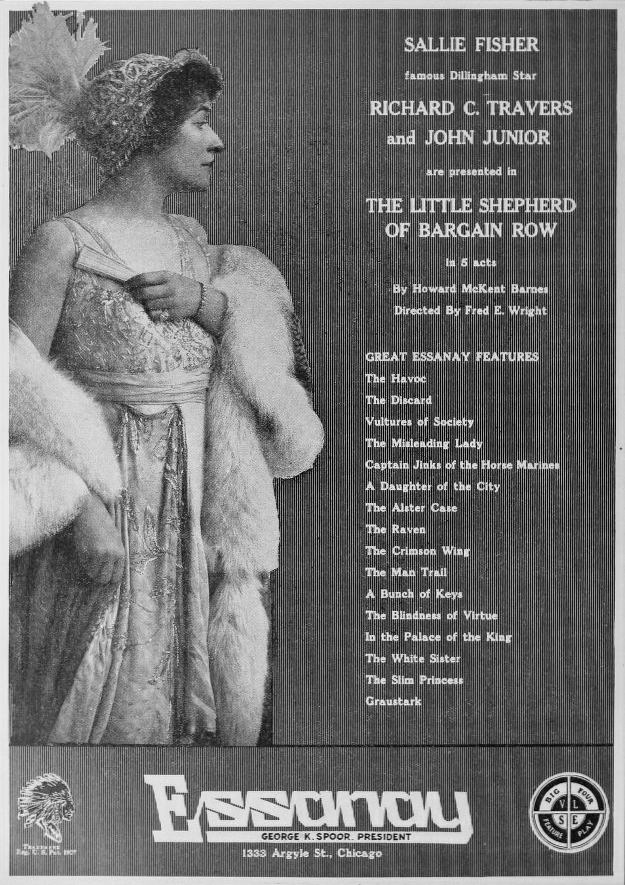
To understand the modern evolution of United States film, one must first look at The Little Shepherd of Bargain Row and the collaborative alchemy between Fred E. Wright and the 1916 creative team. Subverting the expectations of the typical 1916 audience, it remains a vital reference point for anyone studying the evolution of Fred E. Wright.
In The Little Shepherd of Bargain Row, Fred E. Wright pushes the boundaries of conventional narrative. The film's unique approach to its subject matter has sparked endless debates and interpretations among cinephiles and critics alike.
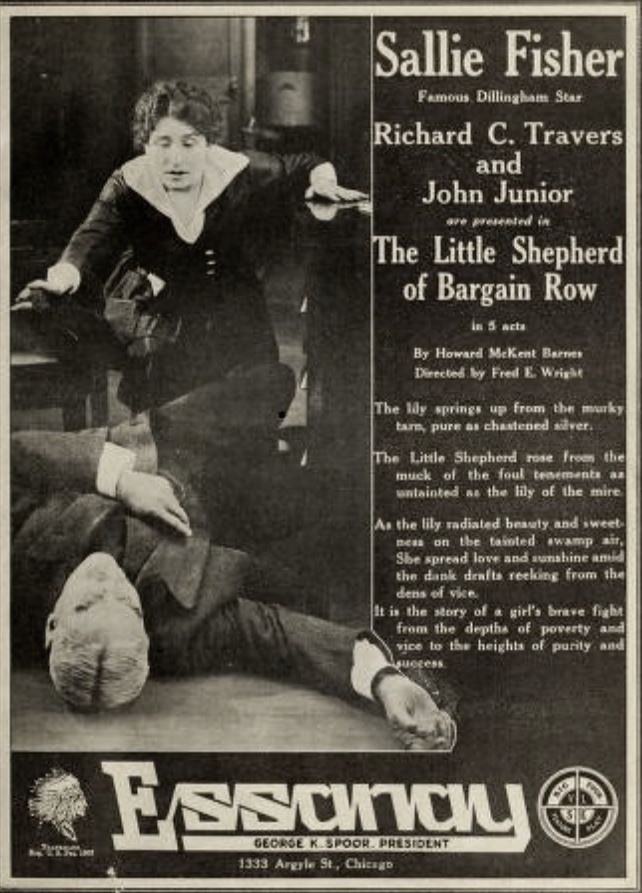
To fully appreciate The Little Shepherd of Bargain Row, one must consider the cinematic climate of 1916. During this period, United States was undergoing significant artistic shifts, and Fred E. Wright was at the forefront of this cult movement, often challenging established norms.
| Cinematography | Static |
| Soundtrack | Synth-Heavy |
| Editing | Rhythmic |
| Art Direction | Naturalist |
Visualizing the convergence of Fred E. Wright's style and the core cult narrative.
Aware that his sons, Joseph and Dickie, possess no business sense, Henry Hyman, on his deathbed, tells his economy-minded private secretary, Nora Blake, to take charge of his jewelry store. After the old man dies, however, his manager, Travers, insists that he has been made the boss. He then uses the status that goes with the position, as well as a necklace that he has stolen from the store, to woo Lucile Hudson away from her fiance Dickie. While Dickie then becomes engaged to Edna, Nora's best friend, Nora begins a romance with Joseph, who knows just enough about assets and deficits to complain that Travers is bankrupting the store. Nora then learns that Travers stole the necklace and has the police arrest him, after which she assumes control of the business and marries Joseph.
Decades after its release, The Little Shepherd of Bargain Row remains a vital piece of the cinematic puzzle. Its influence can be seen in countless modern works, solidifying Fred E. Wright's status as a master of the craft in United States and beyond.