
DbcultAccessing Vault...
Director's Spotlight
Senior Film Conservator
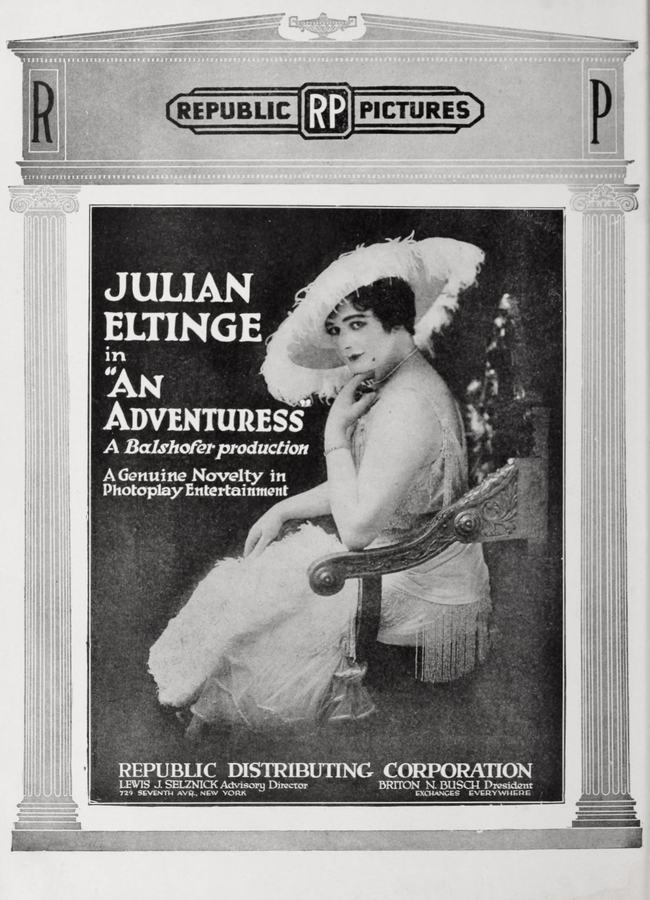
Director's Spotlight: United States
A Deep Dive into the 1920 Vision of Fred J. Balshofer
Deciphering the layers of An Adventuress (1920) reveals the complex thematic architecture established by Fred J. Balshofer. Utilizing a 1920-specific aesthetic that remains timeless, it stands as the definitive 1920 statement on Drama identity.
In An Adventuress, Fred J. Balshofer pushes the boundaries of conventional narrative. The film's unique approach to its subject matter has sparked endless debates and interpretations among cinephiles and critics alike.
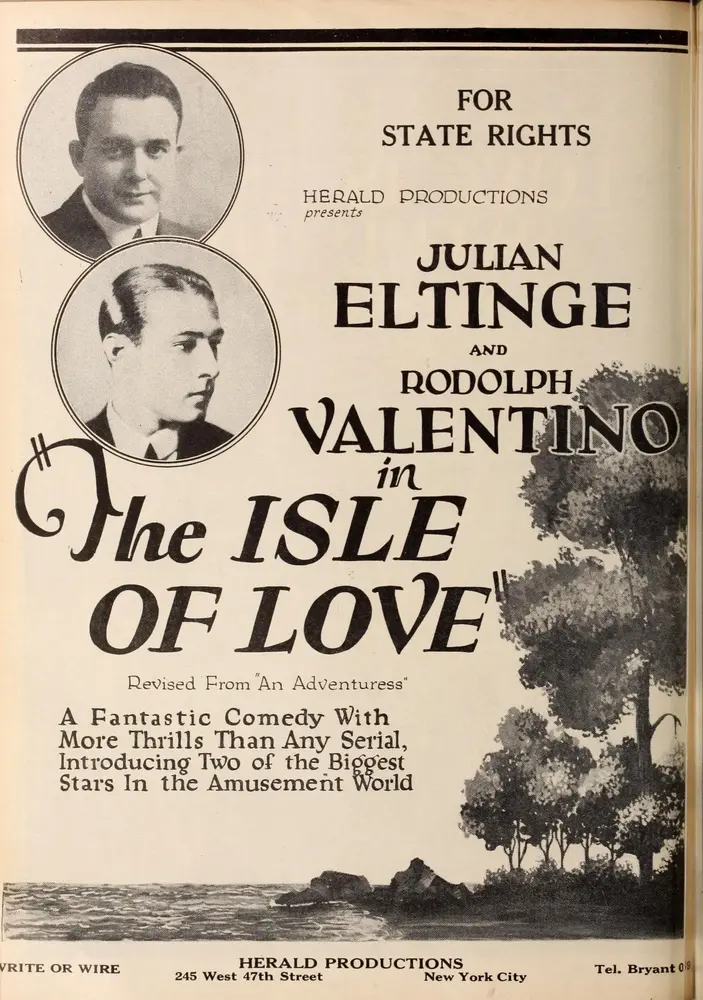
In this work, Fred J. Balshofer explores the intersection of Drama and United States cultural identity. The meticulous attention to detail suggests a deep-seated commitment to pushing the boundaries of the medium, ensuring that An Adventuress remains a relevant topic of study for Drama enthusiasts.
| Cinematography | High-Contrast |
| Soundtrack | Minimalist |
| Editing | Slow-Burn |
| Art Direction | Brutalist |
Visualizing the convergence of Fred J. Balshofer's style and the core Drama narrative.
As the government of Alpania, a seaside European republic, is threatened by revolutionary monarchists, three American adventurers--Jack Perry, Dick Sayre, and Lyn Brook--arrive in the country and immediately become embroiled in the civil strife. Perry offends the monarchists, who capture him and sentence him to death before a firing squad. Brook rescues his compatriot by bombing the complex, thus killing Perry's captors. Disguised as a woman, Perry infiltrates the royalists' circle where as "Fedora" he quickly becomes a court favorite and earns the love of Zana, an Alpanian woman. While Perry carries news of the monarchists' plot to the republicans, Brook, donning feminine attire and calling himself "Thelma," diverts Grand Duke Nebo. Perry is recaptured, but commandeers an enemy airplane to safety. After an automobile chase, Perry eludes the revolutionaries and escapes to America with Zana.
Decades after its release, An Adventuress remains a vital piece of the cinematic puzzle. Its influence can be seen in countless modern works, solidifying Fred J. Balshofer's status as a master of the craft in United States and beyond.