
DbcultAccessing Vault...
Director's Spotlight
Senior Film Conservator
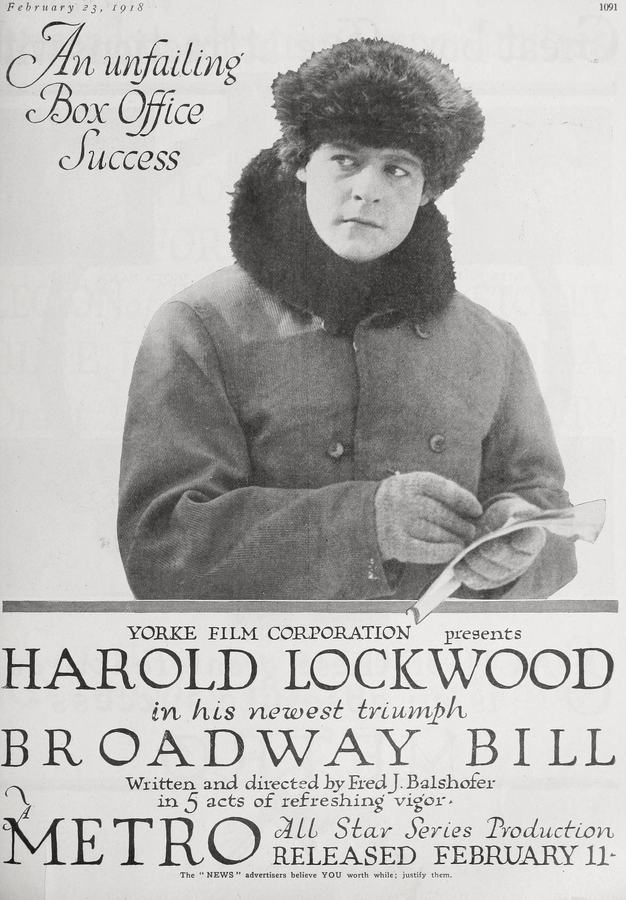
Director's Spotlight: United States
A Deep Dive into the 1918 Vision of Fred J. Balshofer
The artistic breakthrough represented by Broadway Bill in 1918 highlights the philosophical inquiries that Fred J. Balshofer embeds within the narrative. Framed by the hauntingly beautiful landscapes of the production, it leaves an indelible mark on the soul of the viewer.
In Broadway Bill, Fred J. Balshofer pushes the boundaries of conventional narrative. The film's unique approach to its subject matter has sparked endless debates and interpretations among cinephiles and critics alike.
While deeply rooted in United States, Broadway Bill has achieved a global reach, influencing directors from various backgrounds. Its ability to translate cult tropes into a universal cinematic language is why it remains a cult staple decades after its 1918 release.
| Cinematography | Static |
| Soundtrack | Orchestral |
| Editing | Invisible |
| Art Direction | Kitsch |
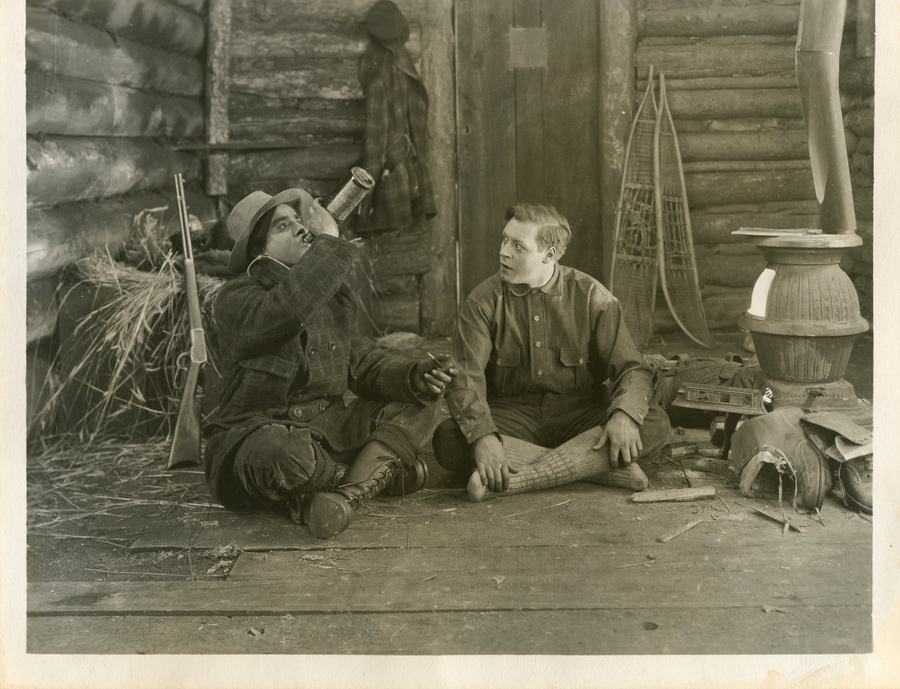
Visualizing the convergence of Fred J. Balshofer's style and the core cult narrative.
"Broadway Bill" Clayton, a New York playboy and heavy drinker, takes a job at the Maine lumber camp of John Underwood hoping to reform himself and regain the affections of Muriel Latham. Foreman Buck Hardigan, who has been stealing and selling Underwood's maple syrup, suspects that Bill has been sent as a spy and decides to get rid of him. Bill survives several plots on his life and finally defeats Buck in a fight and is elected foreman. His struggle with alcohol is nearly won, but when he reads a newspaper item erroneously stating that Muriel is engaged to another, he decides to drink again. Muriel visits the camp with Underwood, and everything is cleared up after Bill rescues her brother Jack in a snow storm.
Decades after its release, Broadway Bill remains a vital piece of the cinematic puzzle. Its influence can be seen in countless modern works, solidifying Fred J. Balshofer's status as a master of the craft in United States and beyond.