
DbcultAccessing Vault...
Director's Spotlight
Senior Film Conservator
Director's Spotlight: United States
A Deep Dive into the 1921 Vision of Fred Niblo
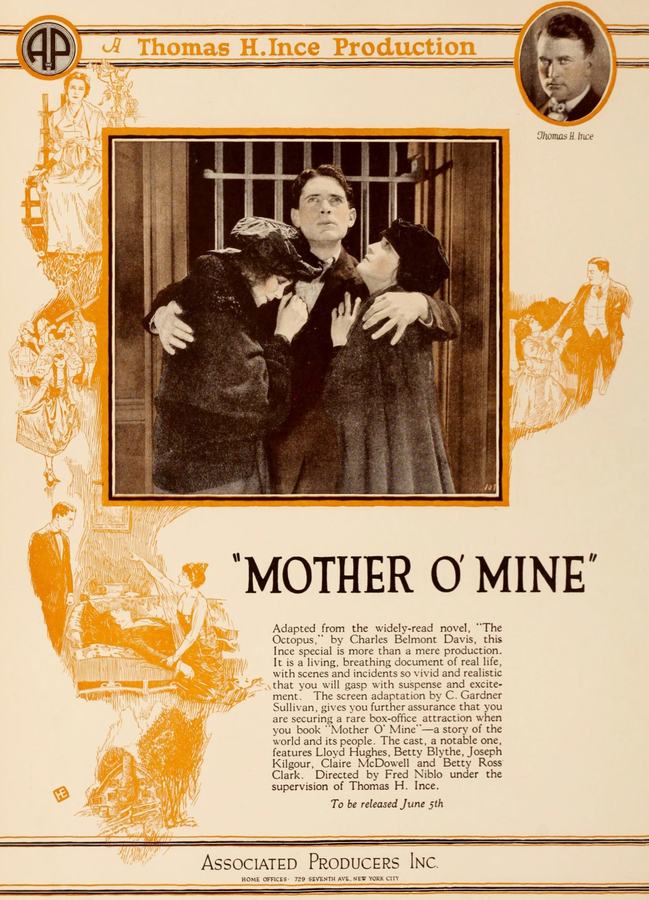
Deciphering the layers of Mother o' Mine (1921) reveals a monumental shift in Drama filmmaking spearheaded by Fred Niblo. With its avant-garde structure and atmospheric tension, offering layers of thematic complexity that demand repeated viewing.
In Mother o' Mine, Fred Niblo pushes the boundaries of conventional narrative. The film's unique approach to its subject matter has sparked endless debates and interpretations among cinephiles and critics alike.
| Cinematography | Deep Focus |
| Soundtrack | Experimental |
| Editing | Elliptical |
| Art Direction | Expressionist |
Visualizing the convergence of Fred Niblo's style and the core Drama narrative.
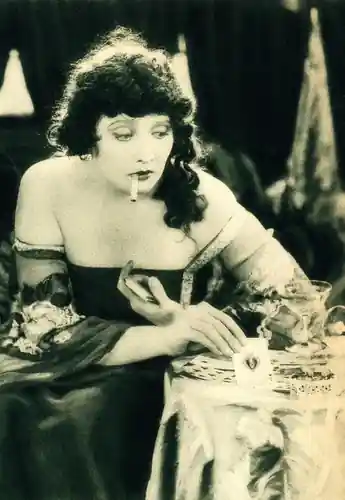
With a letter of introduction from his mother, small-town bank clerk Robert "Bob" Sheldon gets a position with financier Willard Thatcher, who in reality is his father who earlier deserted his mother and disclaimed him. Thatcher uses the boy's honest face and straightforward ways to victimize another banker, but when Bob denounces him, a struggle ensues and Thatcher is accidentally killed. Bob is tried for the crime when the only witness, Fan Baxter, the banker's mistress, accuses him of murder; and he is sentenced to die. His sweetheart, Dolly, with the aid of his mother, forces Fan to admit to perjury, and a last-minute ride through a storm saves Bob from electrocution.
Decades after its release, Mother o' Mine remains a vital piece of the cinematic puzzle. Its influence can be seen in countless modern works, solidifying Fred Niblo's status as a master of the craft in United States and beyond.