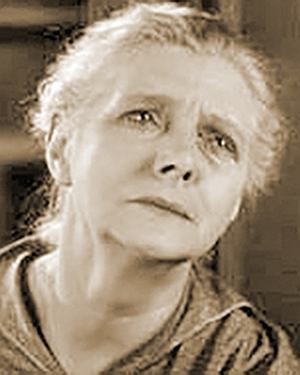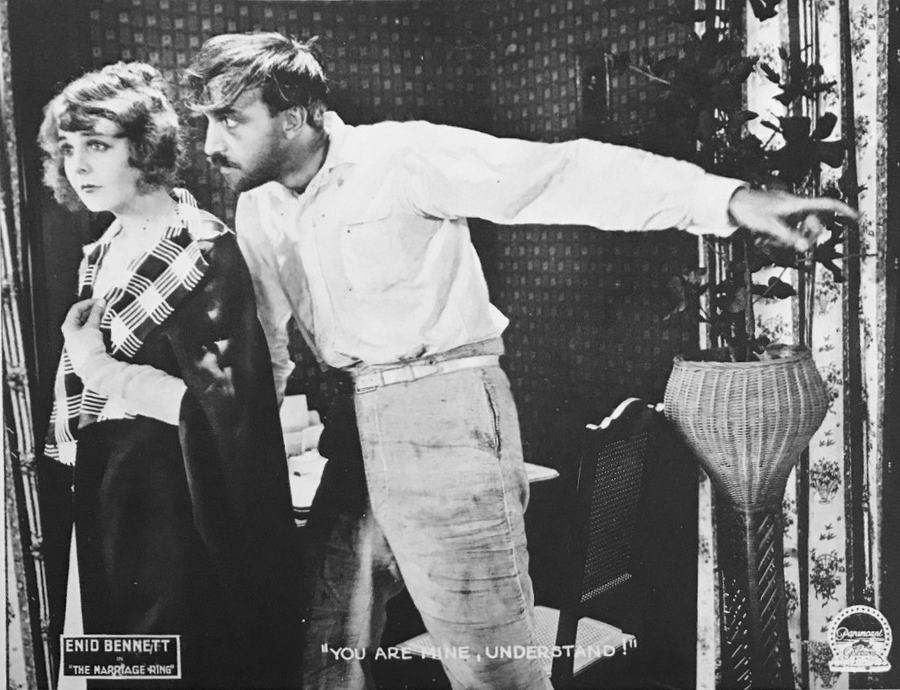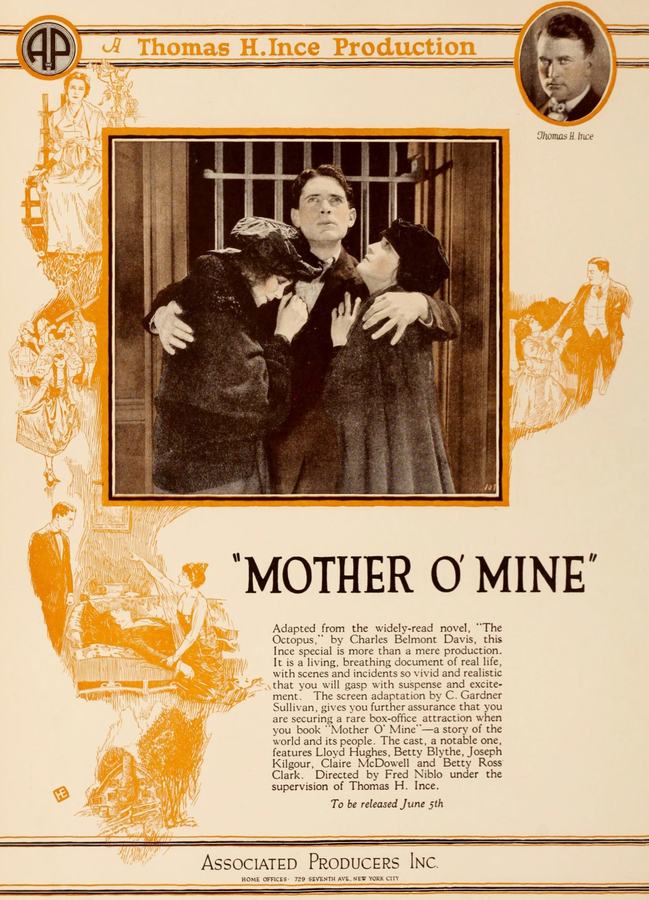
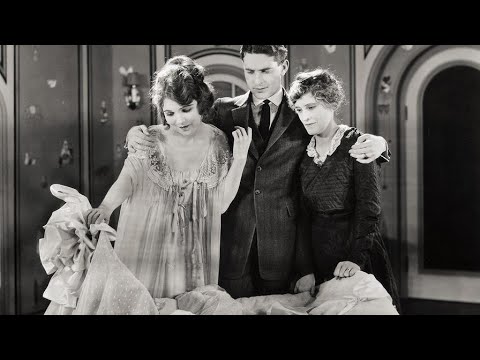
With a letter of introduction from his mother, small-town bank clerk Robert "Bob" Sheldon gets a position with financier Willard Thatcher, who in reality is his father who earlier deserted his mother and disclaimed him. Thatcher uses the boy's honest face and straightforward ways to victimize another banker, but when Bob denounces him, a struggle ensues and Thatcher is accidentally killed.
The Architectural Pathos of Mother o' Mine The year 1921 served as a crucible for American silent cinema, a period where the medium transitioned from simplistic moralizing to a more sophisticated exploration of psychological depth and societal friction. Mother o' Mine stands as a towering example of the maternal melo...
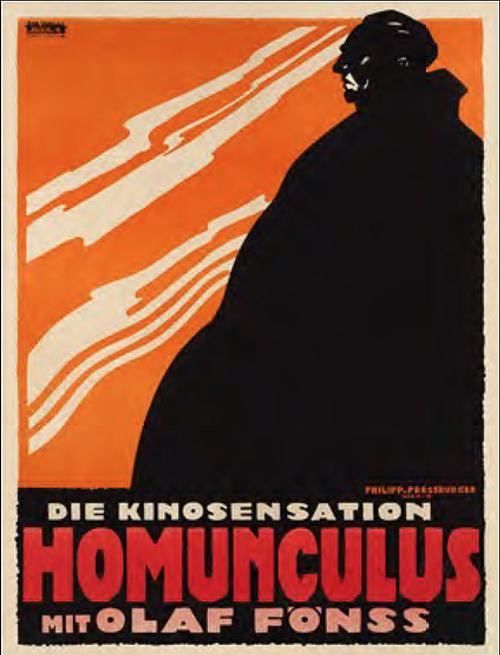
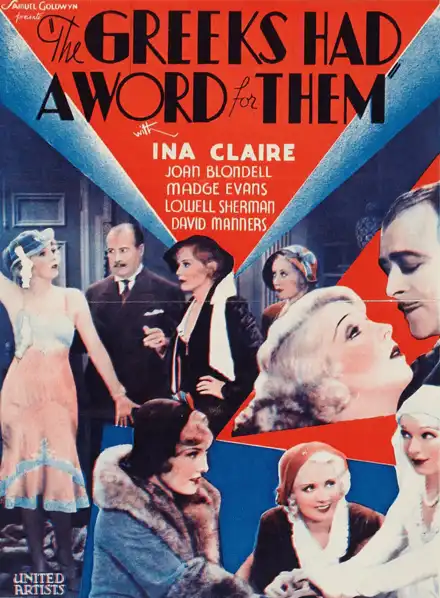
Comparing the cinematic DNA and archive impact of two defining moments in cult history.
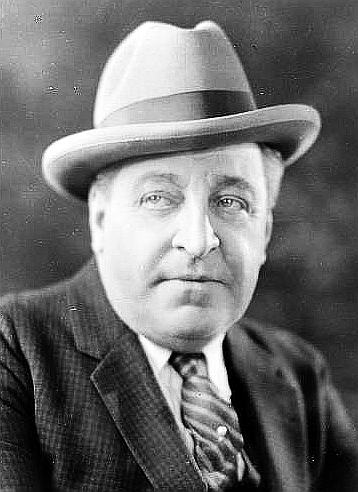
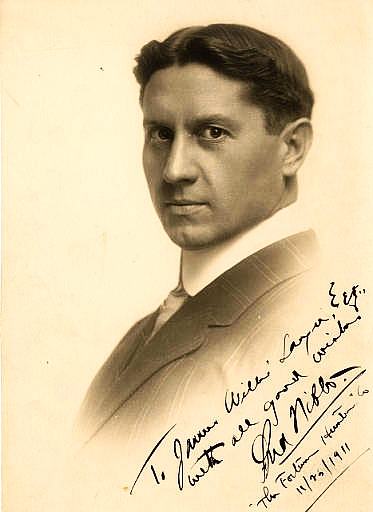
Fred Niblo
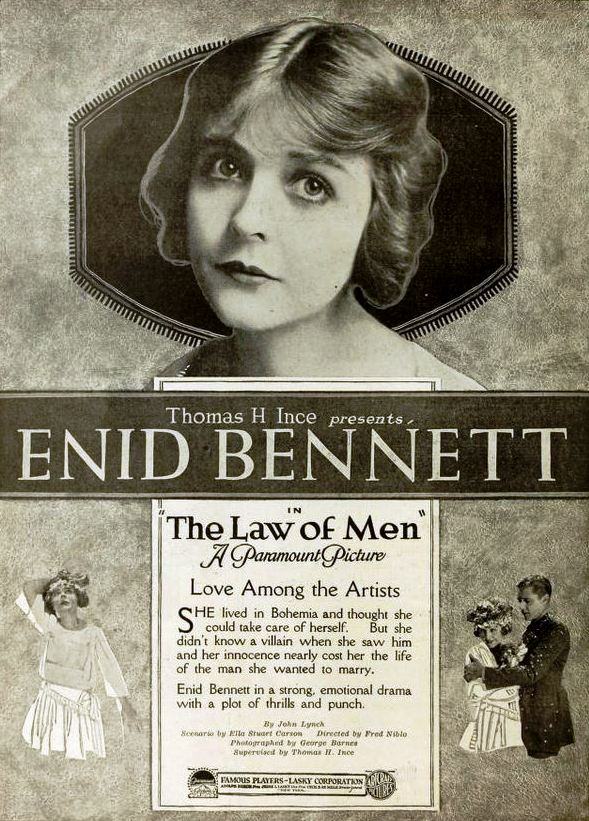
Fred Niblo
Community
Log in to comment.
" The Architectural Pathos of Mother o' Mine The year 1921 served as a crucible for American silent cinema, a period where the medium transitioned from simplistic moralizing to a more sophisticated exploration of psychological depth and societal friction. Mother o' Mine stands as a towering example of the maternal melodrama, a genre that leveraged the archetypal sanctity of motherhood to critique the predatory nature of early 20th-century capitalism. Unlike the more whimsical explorations of cla..."
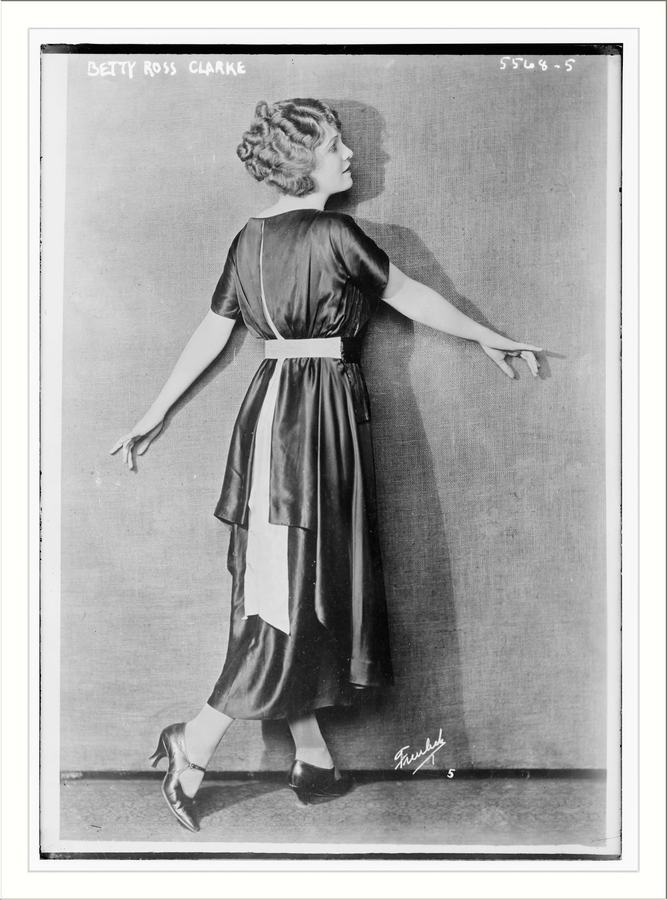
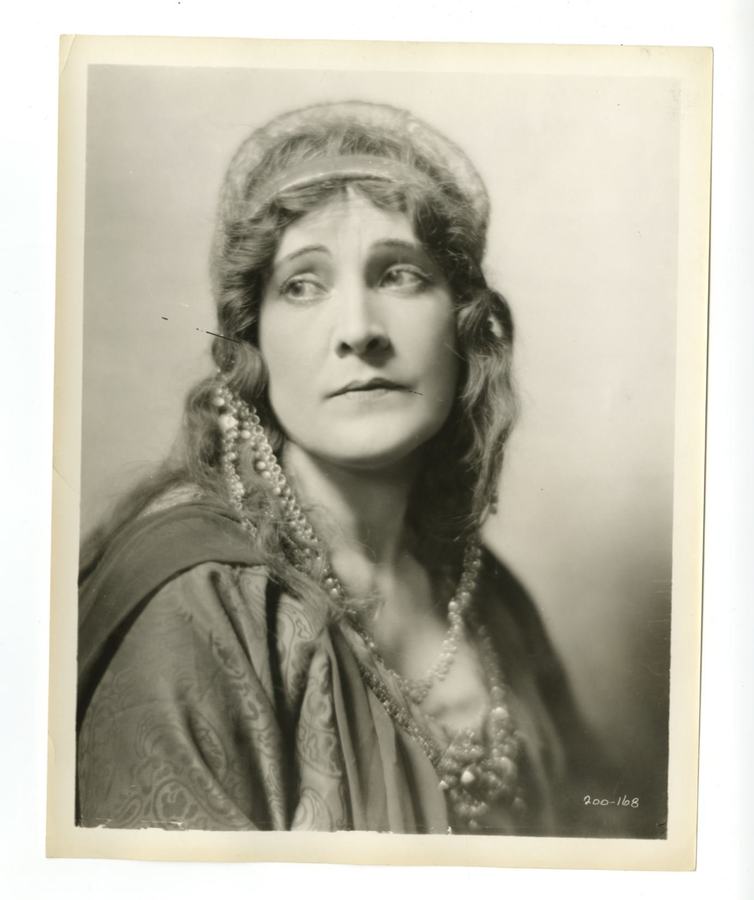
Betty Ross Clarke
Charles Belmont Davis, C. Gardner Sullivan
United States
Drama
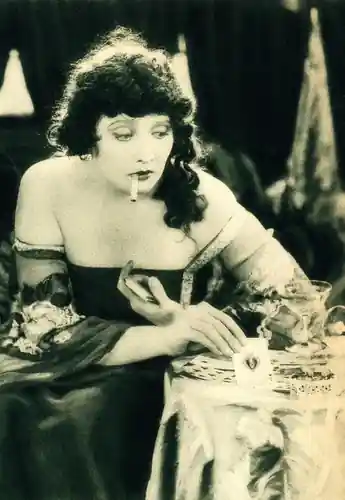
still_frame
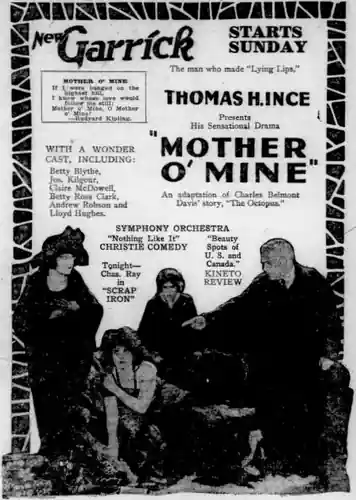
production_art