
DbcultAccessing Vault...
Director's Spotlight
Senior Film Conservator
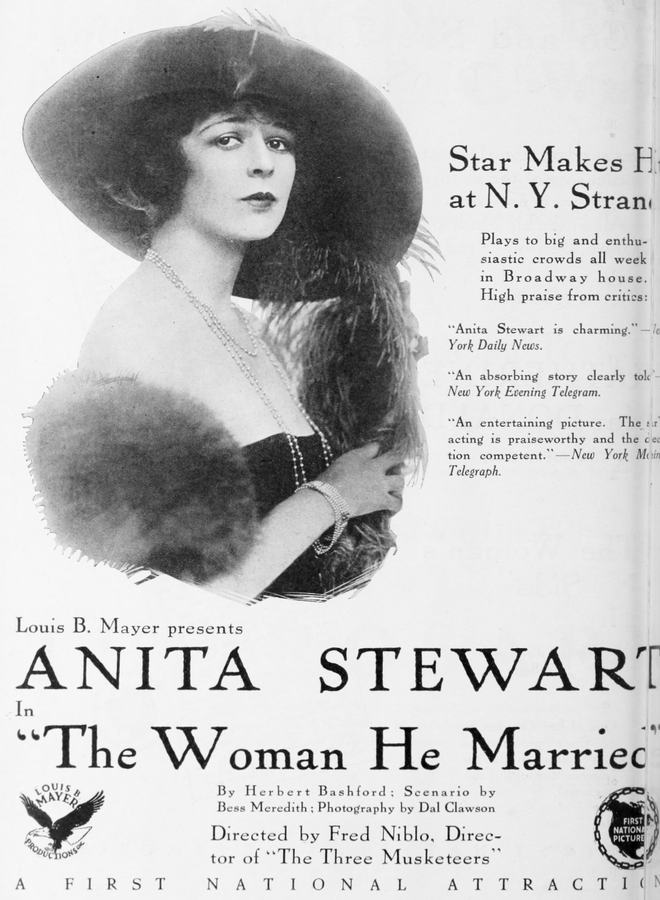
Director's Spotlight: United States
A Deep Dive into the 1922 Vision of Fred Niblo
The brilliance of The Woman He Married (1922) is inseparable from the visionary mind of its creator, Fred Niblo. Serving as a mirror to the anxieties of a changing world, it persists as a haunting reminder of our own cinematic history.
In The Woman He Married, Fred Niblo pushes the boundaries of conventional narrative. The film's unique approach to its subject matter has sparked endless debates and interpretations among cinephiles and critics alike.
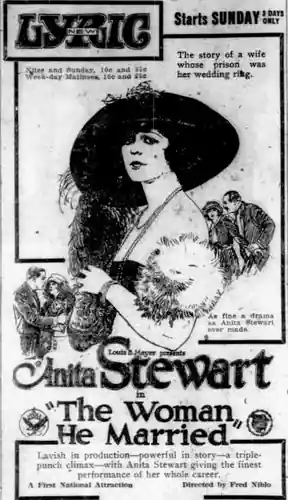
In this work, Fred Niblo explores the intersection of Drama and United States cultural identity. The meticulous attention to detail suggests a deep-seated commitment to pushing the boundaries of the medium, ensuring that The Woman He Married remains a relevant topic of study for Drama enthusiasts.
| Cinematography | Deep Focus |
| Soundtrack | Diegetic |
| Editing | Rhythmic |
| Art Direction | Naturalist |
Visualizing the convergence of Fred Niblo's style and the core Drama narrative.
Natalie Lane, an artist's model, marries Roddy Warren, son of a steel magnate, who has been a persistent suitor and idler; but because she is considered an unsuitable match by his family, Roddy is disinherited. The couple are thus forced to give up their luxurious apartment for a cheap furnished room, and Roddy, inexperienced and totally unfitted for any kind of work, tries his hand, unsuccessfully, at writing plays. To help the domestic finances, Natalie, who has previously resisted the advances of Byrne Travers, a famous artist, agrees to pose for him. Roddy is unaware of this arrangement, but the elder Warren learns of Natalie's clandestine visits to the artist and informs his son; they discover Travers murdered in his apartment. Suspicion first rests on Natalie, but Mimi, a French model, jealous of Travers' attentions to Muriel, Roddy's sister, confesses that she shot him. Natalie, learning of Travers' scheming, protects Muriel. Roddy's father is convinced of Natalie's innocence and is reconciled to his son, who acquires a job with a theatrical agency.
Decades after its release, The Woman He Married remains a vital piece of the cinematic puzzle. Its influence can be seen in countless modern works, solidifying Fred Niblo's status as a master of the craft in United States and beyond.