
DbcultAccessing Vault...
Director's Spotlight
Senior Film Conservator
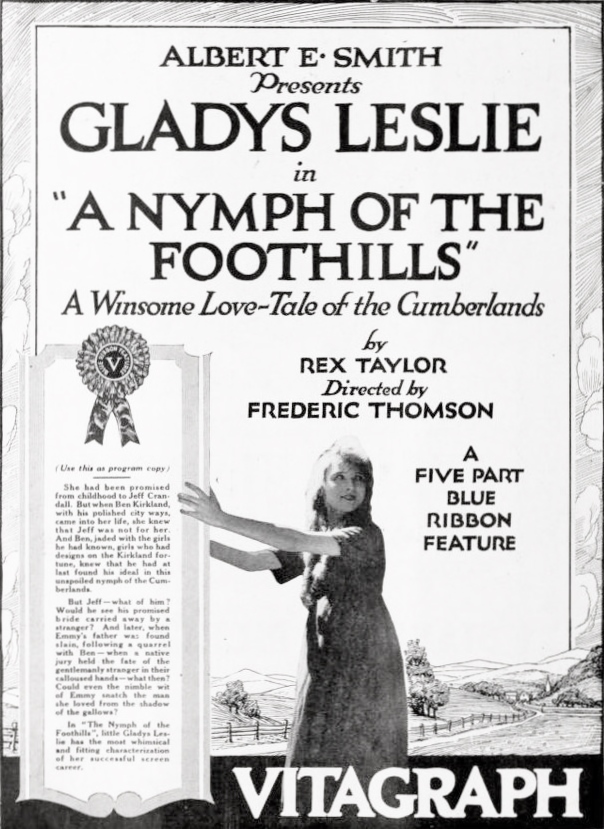
Director's Spotlight: United States
A Deep Dive into the 1918 Vision of Frederick A. Thomson
Under the meticulous guidance of Frederick A. Thomson, A Nymph of the Foothills became the cultural zeitgeist captured so perfectly by Frederick A. Thomson in 1918. Driven by an uncompromising commitment to cult excellence, it remains a vital reference point for anyone studying the evolution of Frederick A. Thomson.
In A Nymph of the Foothills, Frederick A. Thomson pushes the boundaries of conventional narrative. The film's unique approach to its subject matter has sparked endless debates and interpretations among cinephiles and critics alike.
The visual language of A Nymph of the Foothills is defined by its use of shadows and framing, a hallmark of Frederick A. Thomson's style. By utilizing a 1918-era palette, the film creates an immersive experience that perfectly complements its cult themes.
| Cinematography | Handheld |
| Soundtrack | Orchestral |
| Editing | Invisible |
| Art Direction | Kitsch |
Visualizing the convergence of Frederick A. Thomson's style and the core cult narrative.
While camping in the mountains, city-bred Ben Kirkland meets mountaineer's daughter Emmy Chaney, and the two decide to marry although her father wants her to marry his hunting partner, Jeff Crandall. When Emmy's father threatens to kill Ben, the young lovers hastily marry and move to the city. Meanwhile, Ben's friend Tubby, while hunting with Ben's gun, discovers Mr. Chaney's body and flees, believing himself a killer. Ben departs on a business trip, and in his absence his snobbish relatives force Emmy to return to the mountains, where she learns that Ben has been accused of her father's murder. When Ben arrives looking for his wife, he is arrested. At the trial, Tubby is about to confess his guilt when an old hermit reveals that Jeff committed the crime. The lovers reunite and resume their happy marriage.
Decades after its release, A Nymph of the Foothills remains a vital piece of the cinematic puzzle. Its influence can be seen in countless modern works, solidifying Frederick A. Thomson's status as a master of the craft in United States and beyond.