
DbcultAccessing Vault...
Director's Spotlight
Senior Film Conservator
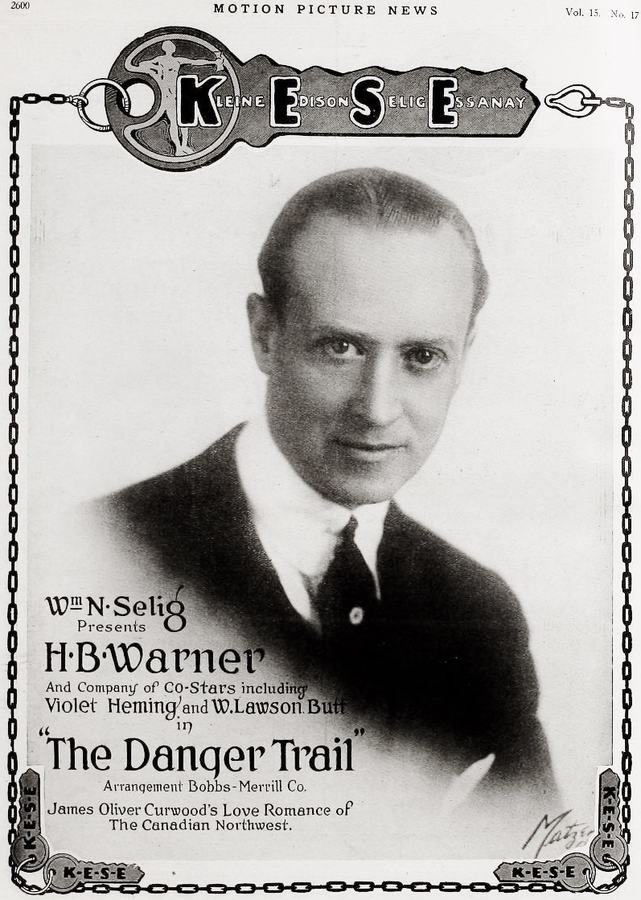
Director's Spotlight: United States
A Deep Dive into the 1917 Vision of Frederick A. Thomson
The thematic gravity of Danger Trail (1917) is rooted in the artistic risks taken by Frederick A. Thomson that eventually paid off. Defining a new era of United States artistic expression, it demands to be seen by anyone who cares about the art of film.
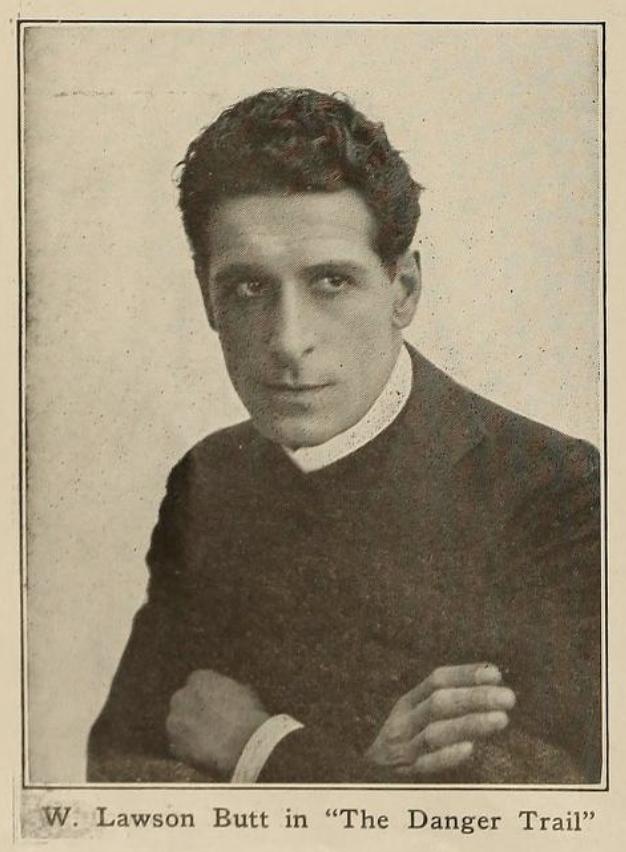
In Danger Trail, Frederick A. Thomson pushes the boundaries of conventional narrative. The film's unique approach to its subject matter has sparked endless debates and interpretations among cinephiles and critics alike.
| Cinematography | Static |
| Soundtrack | Experimental |
| Editing | Invisible |
| Art Direction | Kitsch |
Visualizing the convergence of Frederick A. Thomson's style and the core cult narrative.
John Howland travels to the frozen North to build a branch of the Hudson Bay Railroad. There he meets and falls in love with Meleese Thoreau who warns him that her three bloodthirsty brothers--Max, Pierre, and François--have sworn vengeance against a man named John Howland, the son of a man who killed their mother, and that torture and death await him along the route to his station. Just as Meleese said, Howland is pursued by the vengeance starved brothers. Captured and near death several times, Howland manages to escape with the assistance of Meleese and the Jean Croisset, until the brothers discover that they have been pursuing the wrong Howland, and all ends happily with the union of the two lovers.
Decades after its release, Danger Trail remains a vital piece of the cinematic puzzle. Its influence can be seen in countless modern works, solidifying Frederick A. Thomson's status as a master of the craft in United States and beyond.