
DbcultAccessing Vault...
Director's Spotlight
Senior Film Conservator
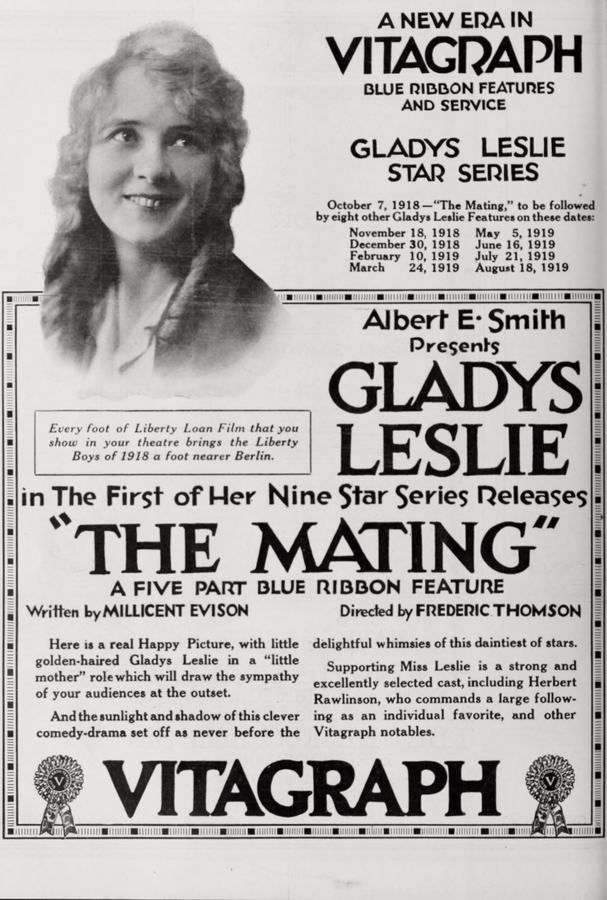
Director's Spotlight: United States
A Deep Dive into the 1918 Vision of Frederick A. Thomson
The cult DNA of The Mating is a reflection of United States's the subversive storytelling techniques employed by Frederick A. Thomson in 1918. Breaking the traditional rules of cult engagement, it leaves an indelible mark on the soul of the viewer.
In The Mating, Frederick A. Thomson pushes the boundaries of conventional narrative. The film's unique approach to its subject matter has sparked endless debates and interpretations among cinephiles and critics alike.
While deeply rooted in United States, The Mating has achieved a global reach, influencing directors from various backgrounds. Its ability to translate cult tropes into a universal cinematic language is why it remains a cult staple decades after its 1918 release.
| Cinematography | High-Contrast |
| Soundtrack | Orchestral |
| Editing | Invisible |
| Art Direction | Kitsch |
Visualizing the convergence of Frederick A. Thomson's style and the core cult narrative.
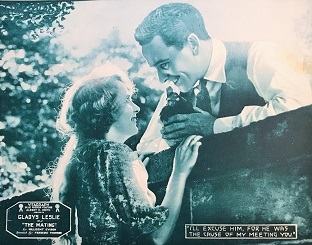
While her eccentric father perfects his latest invention, Nancy Fane wonders how she will clothe her brothers and sisters, and Mammy contemplates stealing the neighbor's chickens for dinner. One day Nancy hears a noise in the abandoned house next door and summons the sheriff, who reveals that the intruder is really Dick Ives, the house's owner. A novelist who hopes to win a prize for his new novel, Dick becomes so convinced of the value of Mr. Fane's invention that when a crooked promoter tries to buy it for a very low sum, Dick spirits it away to his room. Believing him a crook, Nancy shuns Dick's company, even after he contracts pneumonia while rescuing her sister from drowning. When Dick's contact with an engineering firm leads to a large check for her father's invention, however, Nancy enters the sick man's room and rushes his manuscript to the publisher, with the result that Dick wins both the prize and the girl next door.
Decades after its release, The Mating remains a vital piece of the cinematic puzzle. Its influence can be seen in countless modern works, solidifying Frederick A. Thomson's status as a master of the craft in United States and beyond.