
DbcultAccessing Vault...
Director's Spotlight
Senior Film Conservator
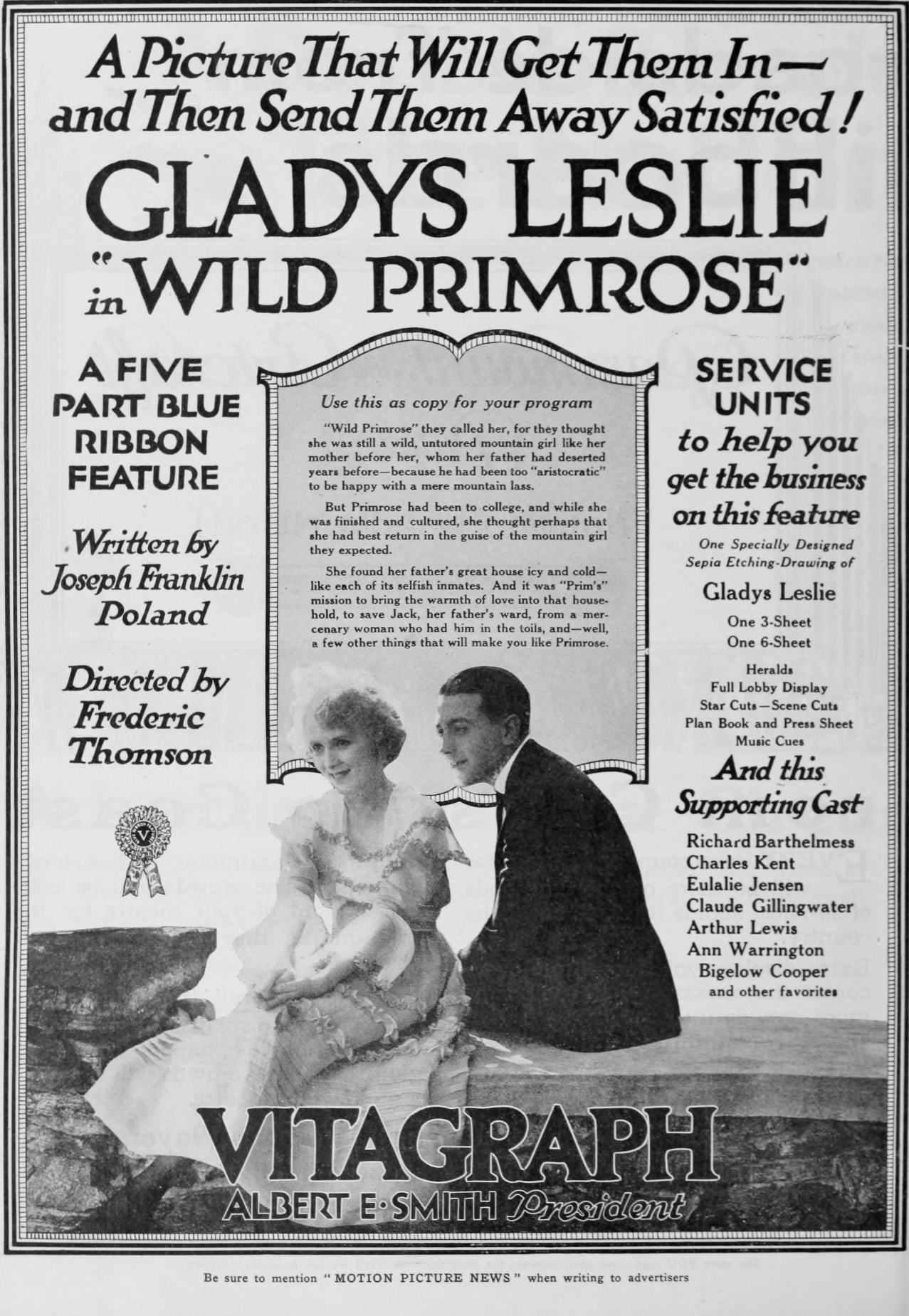
Director's Spotlight: United States
A Deep Dive into the 1918 Vision of Frederick A. Thomson
Analyzing Wild Primrose (1918) requires a deep dive into the defining moment in cult history that Frederick A. Thomson helped create. Defining a new era of United States artistic expression, it transcends regional boundaries to tell a universal story.
In Wild Primrose, Frederick A. Thomson pushes the boundaries of conventional narrative. The film's unique approach to its subject matter has sparked endless debates and interpretations among cinephiles and critics alike.
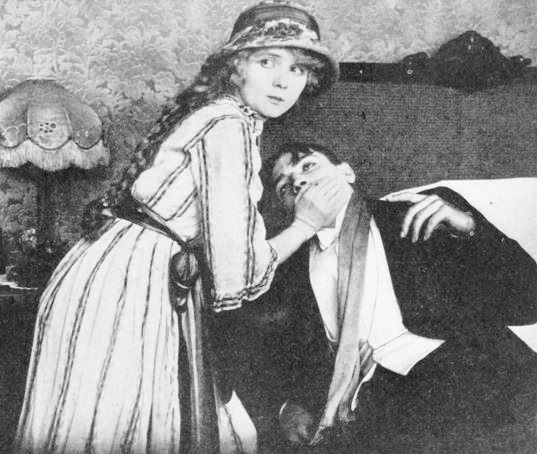
To fully appreciate Wild Primrose, one must consider the cinematic climate of 1918. During this period, United States was undergoing significant artistic shifts, and Frederick A. Thomson was at the forefront of this cult movement, often challenging established norms.
| Cinematography | Static |
| Soundtrack | Experimental |
| Editing | Invisible |
| Art Direction | Kitsch |
Visualizing the convergence of Frederick A. Thomson's style and the core cult narrative.
Standish, a wealthy Northerner, deserts his untutored Southern wife shortly after their daughter Primrose's birth, preferring to wed the cultured but haughty Emily. After her mother's death, Primrose is placed in the care of her uncle, who rears her as a refined and educated young lady. Longing for his daughter, Standish sends for her, and although Primrose, deeply resentful of her father, exaggerates the role of the uncouth mountain girl, he and his ward, Jack Wilton, come to love her deeply. Jack, who secretly married a dancer named Marie in a moment of drunken infatuation, reforms under Primrose's influence, but Newton, a broker to whom Standish is deeply in debt, demands her hand in marriage as his repayment. Primrose rejects Newton, and at a ball, she appears as her true self and offers her father some of her oil rich lands. After Standish has repaid Newton, his secretary recognizes Marie as his long-lost wife, leaving Jack free to marry his "wild" Primrose.
Decades after its release, Wild Primrose remains a vital piece of the cinematic puzzle. Its influence can be seen in countless modern works, solidifying Frederick A. Thomson's status as a master of the craft in United States and beyond.