
DbcultAccessing Vault...
Director's Spotlight
Senior Film Conservator
Director's Spotlight: United States
A Deep Dive into the 1916 Vision of Frederick Sullivan
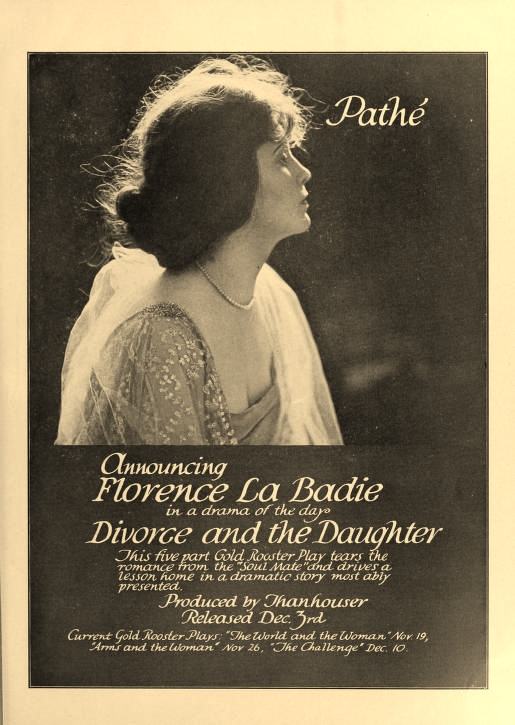
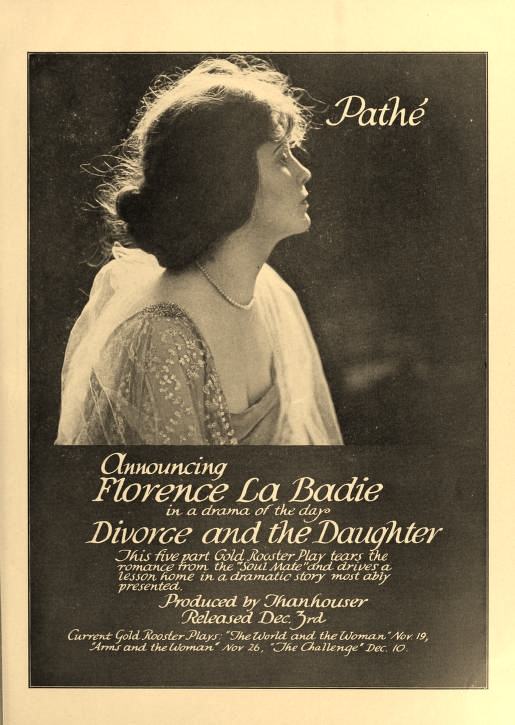
Peeling back the layers of Frederick Sullivan's Divorce and the Daughter exposes the collaborative alchemy between Frederick Sullivan and the 1916 creative team. Anchored by a narrative that is both personal and universal, it reinforces the idea that cinema is a medium of infinite possibilities.
In Divorce and the Daughter, Frederick Sullivan pushes the boundaries of conventional narrative. The film's unique approach to its subject matter has sparked endless debates and interpretations among cinephiles and critics alike.
In this work, Frederick Sullivan explores the intersection of cult and United States cultural identity. The meticulous attention to detail suggests a deep-seated commitment to pushing the boundaries of the medium, ensuring that Divorce and the Daughter remains a relevant topic of study for cult enthusiasts.
| Cinematography | Handheld |
| Soundtrack | Experimental |
| Editing | Elliptical |
| Art Direction | Expressionist |
Visualizing the convergence of Frederick Sullivan's style and the core cult narrative.
A married man suddenly inherits a fortune and finally has enough money to live his dream of becoming an artist. He moves his wife and daughter to a big expensive house and starts living the life of a "bohemian" artist. When he begins an affair with another woman, his wife leaves him and his daughter Alicia breaks off her engagement to a wealthy doctor and becomes involved in the "free love" movement espoused by one Herbert Rawlins. Rawlins, however, has his own plans for Alicia, and they don't involve "sharing" her with anyone else. Complications ensue.
Decades after its release, Divorce and the Daughter remains a vital piece of the cinematic puzzle. Its influence can be seen in countless modern works, solidifying Frederick Sullivan's status as a master of the craft in United States and beyond.