
DbcultAccessing Vault...
Director's Spotlight
Senior Film Conservator
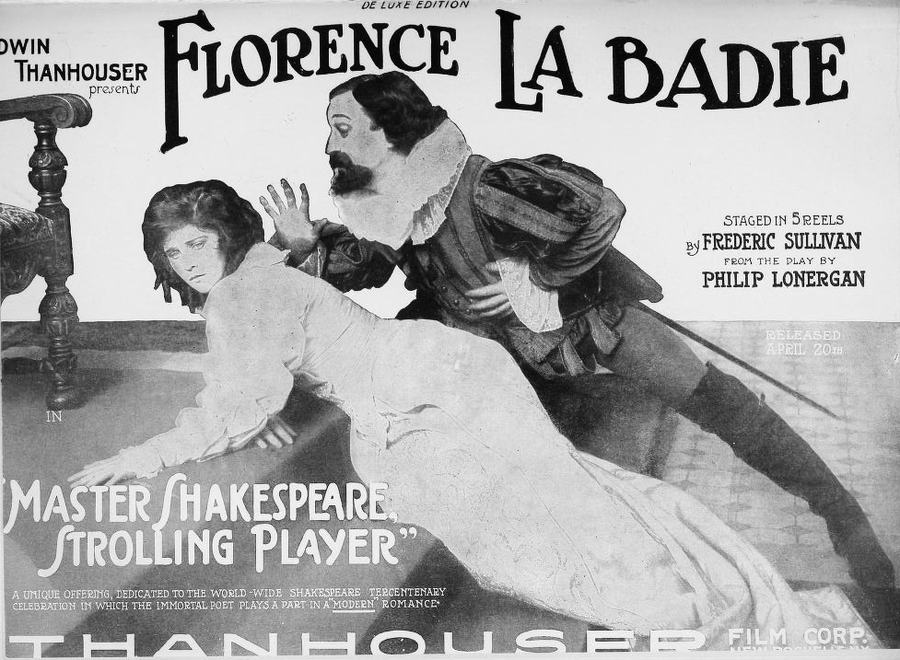
Director's Spotlight: United States
A Deep Dive into the 1916 Vision of Frederick Sullivan
The thematic gravity of Master Shakespeare, Strolling Player (1916) is rooted in the artistic risks taken by Frederick Sullivan that eventually paid off. Defining a new era of United States artistic expression, it demands to be seen by anyone who cares about the art of film.
In Master Shakespeare, Strolling Player, Frederick Sullivan pushes the boundaries of conventional narrative. The film's unique approach to its subject matter has sparked endless debates and interpretations among cinephiles and critics alike.
To fully appreciate Master Shakespeare, Strolling Player, one must consider the cinematic climate of 1916. During this period, United States was undergoing significant artistic shifts, and Frederick Sullivan was at the forefront of this cult movement, often challenging established norms.
| Cinematography | Handheld |
| Soundtrack | Diegetic |
| Editing | Elliptical |
| Art Direction | Expressionist |
Visualizing the convergence of Frederick Sullivan's style and the core cult narrative.
Unable to agree on the man responsible for the plays commonly attributed to William Shakespeare, Miss Gray, who favors Francis Bacon, and Lieutenant Stanton, who accepts Shakespeare as the author, break off their engagement. Stanton then arranges to be transferred to the Mexican border, and while fighting there is badly wounded. When she hears the news about Stanton's condition, Miss Gray faints, and then dreams that she has been transported to Elizabethan times. Then, after Bacon falls in love with her, she discovers his obsessive jealousy of Shakespeare, and learns that he has bribed a courtier to accuse him of stealing Bacon's plays. As a result, when Miss Gray wakes up, she realizes that she has championed the wrong poet, and so she immediately is reconciled with Stanton, who soon recovers from his wound.
Decades after its release, Master Shakespeare, Strolling Player remains a vital piece of the cinematic puzzle. Its influence can be seen in countless modern works, solidifying Frederick Sullivan's status as a master of the craft in United States and beyond.