
DbcultAccessing Vault...
Director's Spotlight
Senior Film Conservator
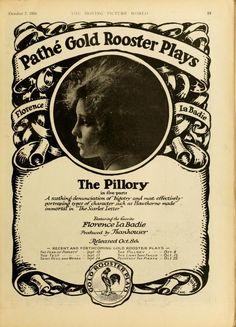
Director's Spotlight: United States
A Deep Dive into the 1916 Vision of Frederick Sullivan
As we revisit the 1916 masterpiece The Pillory, we are struck by the atmospheric immersion that Frederick Sullivan achieves throughout The Pillory. Exploring the nuances of the human condition with cult flair, it solidifies Frederick Sullivan's reputation as a master of the craft.
In The Pillory, Frederick Sullivan pushes the boundaries of conventional narrative. The film's unique approach to its subject matter has sparked endless debates and interpretations among cinephiles and critics alike.
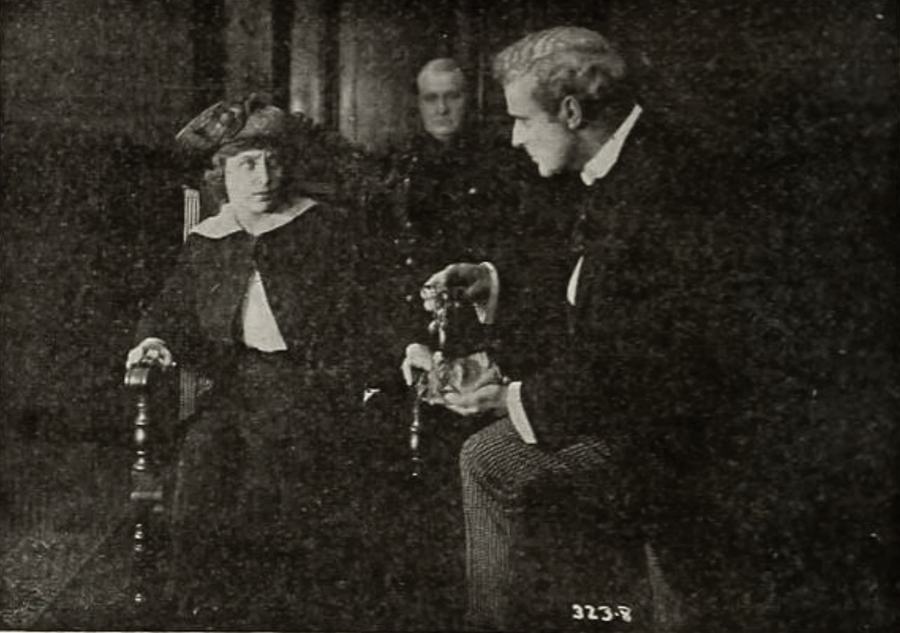
The visual language of The Pillory is defined by its use of shadows and framing, a hallmark of Frederick Sullivan's style. By utilizing a 1916-era palette, the film creates an immersive experience that perfectly complements its cult themes.
| Cinematography | Handheld |
| Soundtrack | Diegetic |
| Editing | Elliptical |
| Art Direction | Expressionist |
Visualizing the convergence of Frederick Sullivan's style and the core cult narrative.
A young girl is kept ignorant of her mother by her aunt. After her aunt dies, the girl is used by crooks and arrested. In prison she meets a kindly woman, who is married to a judge. The woman, unbeknownst to the girl, is her mother, and adopts her. The companion of the deceased aunt, in the midst of a ball, denounces the mother and reveals her secret to the judge and guests. The judge will not forgive his wife, so the mother and daughter leave and work among the slums to benefit humanity. Eventually, the judge relents, and seeks his wife for forgiveness, but he is too late.
Decades after its release, The Pillory remains a vital piece of the cinematic puzzle. Its influence can be seen in countless modern works, solidifying Frederick Sullivan's status as a master of the craft in United States and beyond.