
DbcultAccessing Vault...
Director's Spotlight
Senior Film Conservator
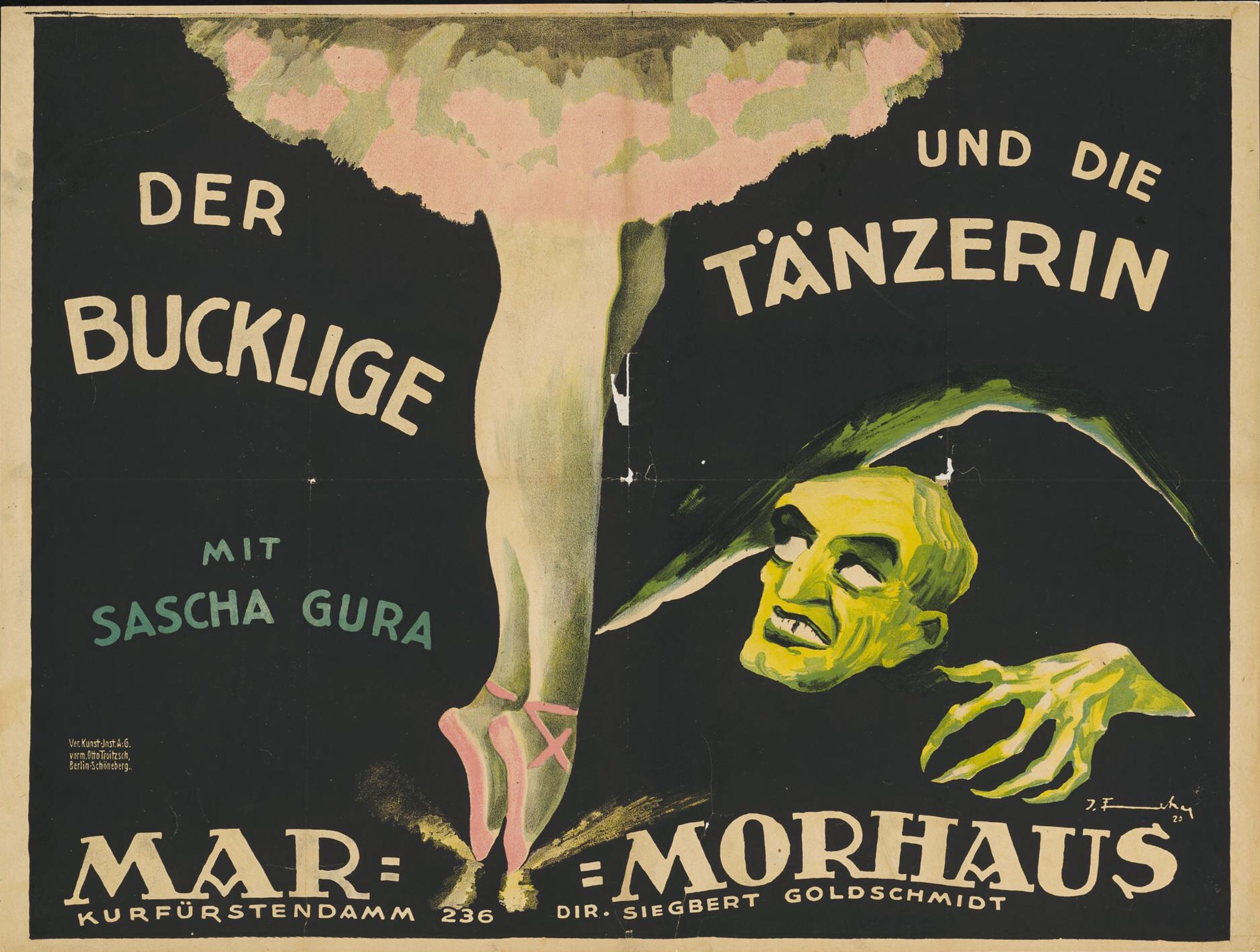
Director's Spotlight: Germany
A Deep Dive into the 1920 Vision of F.W. Murnau
Peeling back the layers of F.W. Murnau's The Hunchback and the Dancer exposes the collaborative alchemy between F.W. Murnau and the 1920 creative team. Anchored by a narrative that is both personal and universal, it reinforces the idea that cinema is a medium of infinite possibilities.
In The Hunchback and the Dancer, F.W. Murnau pushes the boundaries of conventional narrative. The film's unique approach to its subject matter has sparked endless debates and interpretations among cinephiles and critics alike.
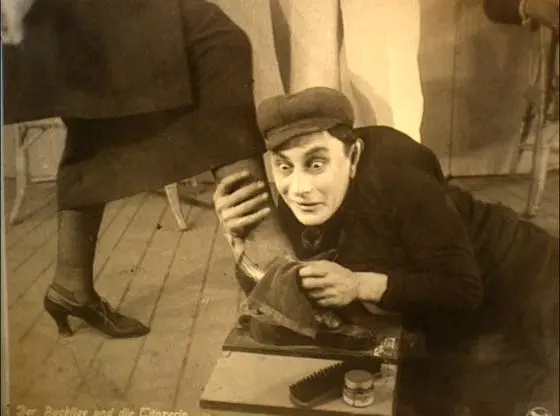
The visual language of The Hunchback and the Dancer is defined by its use of shadows and framing, a hallmark of F.W. Murnau's style. By utilizing a 1920-era palette, the film creates an immersive experience that perfectly complements its cult themes.
| Cinematography | Deep Focus |
| Soundtrack | Diegetic |
| Editing | Rhythmic |
| Art Direction | Naturalist |
Visualizing the convergence of F.W. Murnau's style and the core cult narrative.
Wilton, a hunchback, who was always scorned and ridiculed by women, returns from Java a rich man after having discovered a diamond mine. He romances Gina, who is on the rebound from a broken affair, and showers her with expensive gifts. After Gina reconciles with her boyfriend, she continues to see Wilton because of what he gives her. After he discovers her perfidy, Wilton develops a poison and mixes it into her lipstick, which will kill any man who kisses her.
Decades after its release, The Hunchback and the Dancer remains a vital piece of the cinematic puzzle. Its influence can be seen in countless modern works, solidifying F.W. Murnau's status as a master of the craft in Germany and beyond.