
DbcultAccessing Vault...
Director's Spotlight
Senior Film Conservator
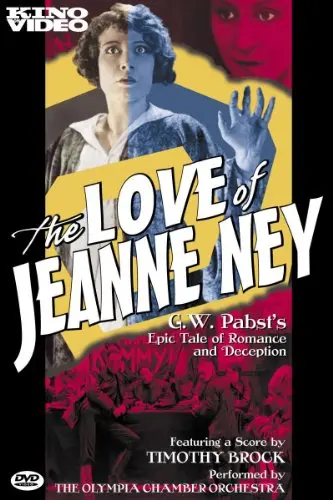
Director's Spotlight: Germany
A Deep Dive into the 1927 Vision of Georg Wilhelm Pabst
To understand the modern evolution of Germany film, one must first look at The Love of Jeanne Ney and the collaborative alchemy between Georg Wilhelm Pabst and the 1927 creative team. Subverting the expectations of the typical 1927 audience, it remains a vital reference point for anyone studying the evolution of Georg Wilhelm Pabst.
In The Love of Jeanne Ney, Georg Wilhelm Pabst pushes the boundaries of conventional narrative. The film's unique approach to its subject matter has sparked endless debates and interpretations among cinephiles and critics alike.
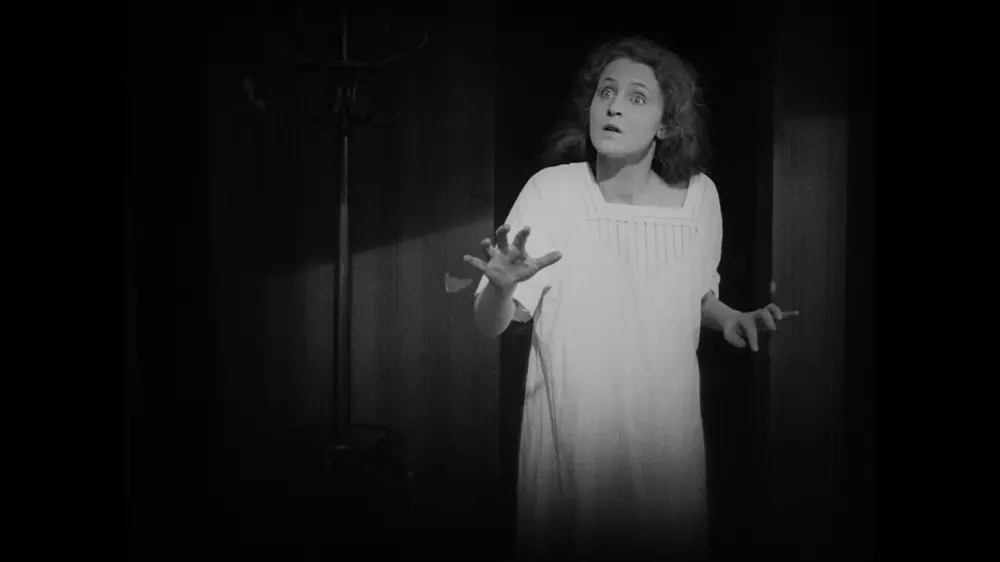
In this work, Georg Wilhelm Pabst explores the intersection of Drama and Germany cultural identity. The meticulous attention to detail suggests a deep-seated commitment to pushing the boundaries of the medium, ensuring that The Love of Jeanne Ney remains a relevant topic of study for Drama enthusiasts.
| Cinematography | Handheld |
| Soundtrack | Orchestral |
| Editing | Slow-Burn |
| Art Direction | Brutalist |
Visualizing the convergence of Georg Wilhelm Pabst's style and the core Drama narrative.
In the Crimea, the Reds and the Whites aren't done fighting, and Jeanne discovers that the man she loves is a Bolshevik (when he kills her father). Penniless, she returns to Paris where she works for her uncle. Soon after, her lover Andreas is in France to organize the sailors in Toulon. So also is a thief, traitor, and libertine, Khalibiev, who wants to seduce Jeanne. His schemes, Jeanne and Andreas's naivete, and a lost diamond bring the lovers to the brink of tragedy.
Decades after its release, The Love of Jeanne Ney remains a vital piece of the cinematic puzzle. Its influence can be seen in countless modern works, solidifying Georg Wilhelm Pabst's status as a master of the craft in Germany and beyond.