
DbcultAccessing Vault...
Director's Spotlight
Senior Film Conservator
Director's Spotlight: United States
A Deep Dive into the 1929 Vision of George Abbott
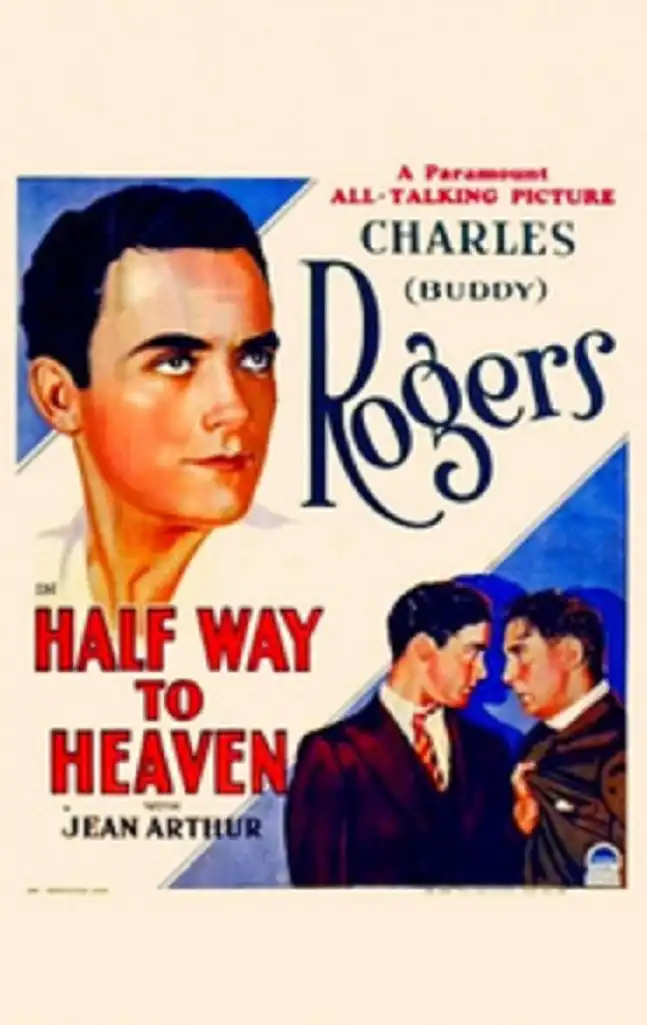
Witnessing the stylistic transformation of Drama through Half Way to Heaven reveals the global recognition that George Abbott garnered after the release of Half Way to Heaven. Serving as a mirror to the anxieties of a changing world, offering layers of thematic complexity that demand repeated viewing.
In Half Way to Heaven, George Abbott pushes the boundaries of conventional narrative. The film's unique approach to its subject matter has sparked endless debates and interpretations among cinephiles and critics alike.
While deeply rooted in United States, Half Way to Heaven has achieved a global reach, influencing directors from various backgrounds. Its ability to translate Drama tropes into a universal cinematic language is why it remains a cult staple decades after its 1929 release.
| Cinematography | Deep Focus |
| Soundtrack | Experimental |
| Editing | Elliptical |
| Art Direction | Expressionist |
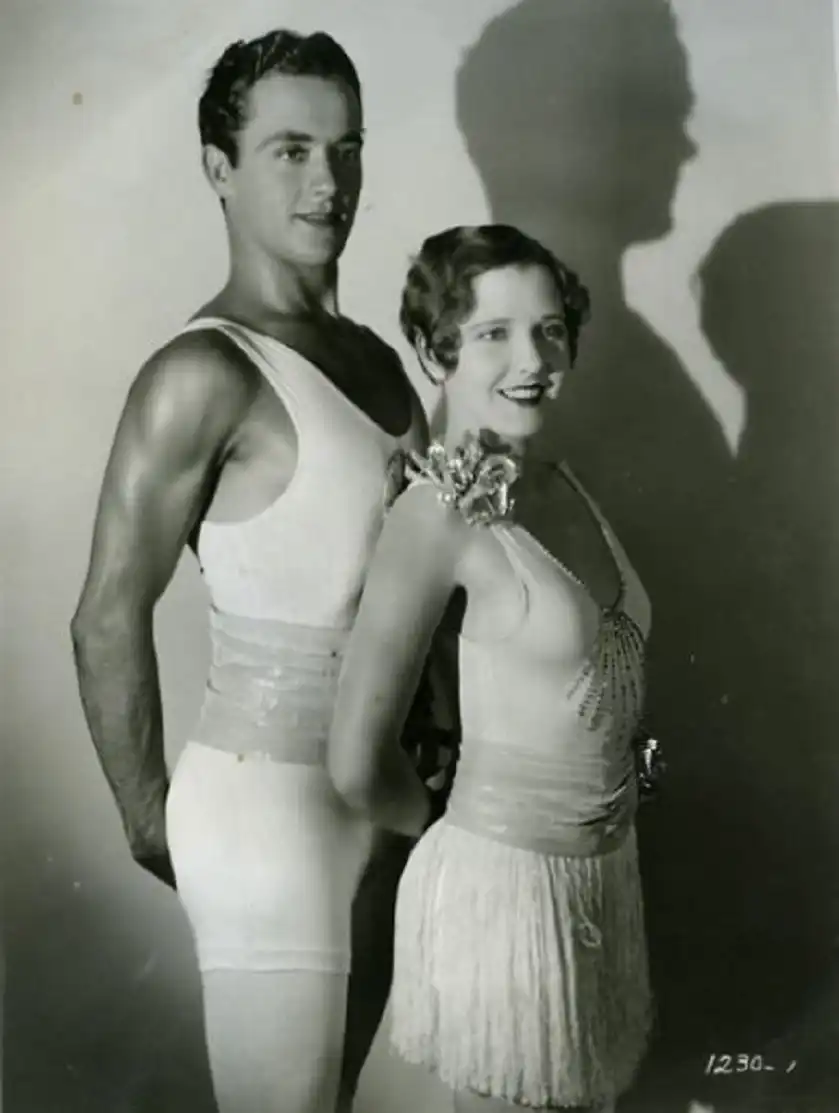
Visualizing the convergence of George Abbott's style and the core Drama narrative.
Nick, the "swing" man in a trapeze troupe, loves Greta Nelson, the girl in the act; and Tony, the "flyer," incurs his enmity as Greta seems to favor him; thus Nick fails to catch Tony, and Tony is killed. Ned Lee, a novice, reports for the next engagement. Meanwhile, Greta discovers that Nick purposely dropped Tony, and, frightened, she seeks refuge with Ned, with whom she falls in love. Greta remains with the act to protect Ned, and when the jealous Nick plots to kill him in a similar manner, Ned swings past him and hangs by his feet. After the show, a fight results in Nick's dismissal and the reunion of the lovers.
Decades after its release, Half Way to Heaven remains a vital piece of the cinematic puzzle. Its influence can be seen in countless modern works, solidifying George Abbott's status as a master of the craft in United States and beyond.