
DbcultAccessing Vault...
Director's Spotlight
Senior Film Conservator
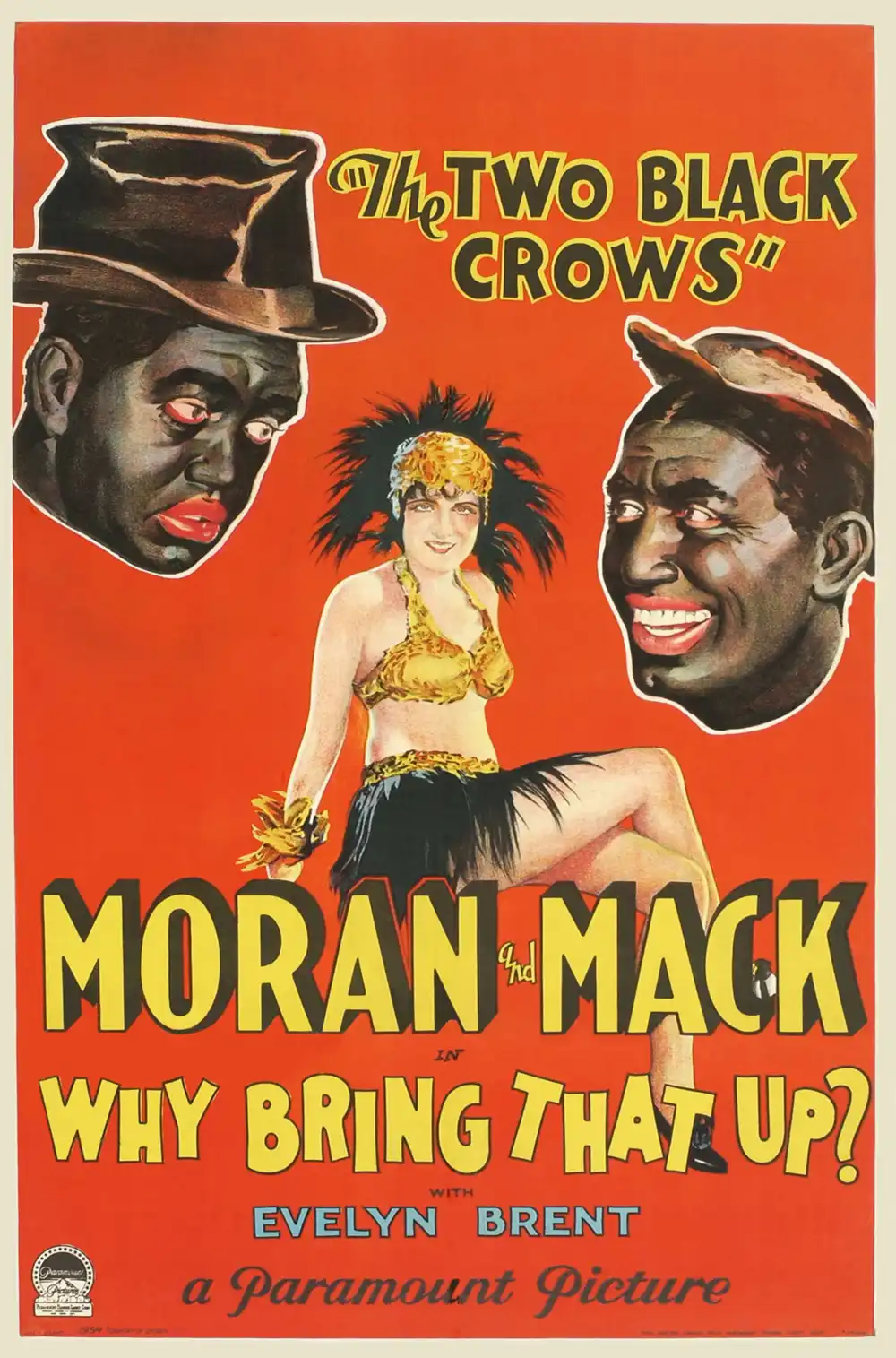
Director's Spotlight: United States
A Deep Dive into the 1929 Vision of George Abbott
Peeling back the layers of George Abbott's Why Bring That Up? exposes the collaborative alchemy between George Abbott and the 1929 creative team. Anchored by a narrative that is both personal and universal, it reinforces the idea that cinema is a medium of infinite possibilities.
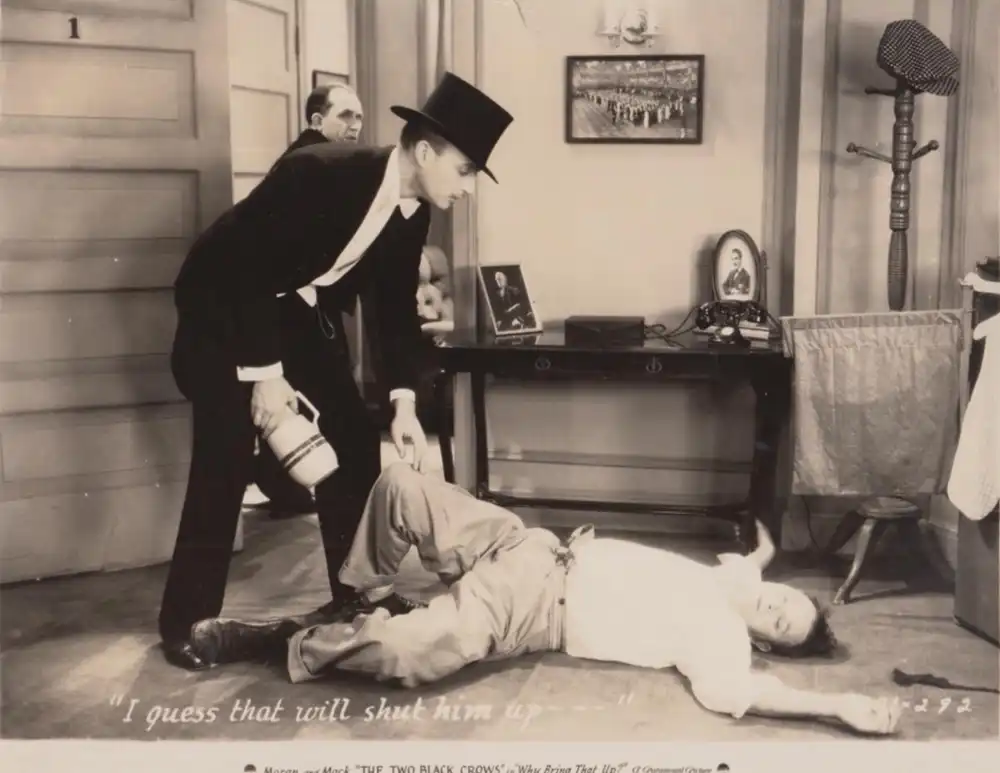
In Why Bring That Up?, George Abbott pushes the boundaries of conventional narrative. The film's unique approach to its subject matter has sparked endless debates and interpretations among cinephiles and critics alike.
| Cinematography | Noir-Inspired |
| Soundtrack | Orchestral |
| Editing | Slow-Burn |
| Art Direction | Brutalist |
Visualizing the convergence of George Abbott's style and the core Romance narrative.
George's vaudeville partner quits their act, claiming that fellow performer Betty has broken his heart. George then teams up with Charlie, a stranded trouper he meets in a boardinghouse, and Irving becomes their manager. Later, in New York, the "Two Black Crows" are starring in their own popular revue and saving to build their own theater on Broadway. Betty comes to the theater with her gigolo, who poses as a cousin and induces George to hire her into their act. When George becomes smitten and showers Betty with jewels and money, she tries to persuade him to invest in oil stock her lover is selling, and though their act is a success, Charlie fires Betty. When Charlie and Betty's gigolo quarrel, Charlie is smashed over the head. Realizing that he has been duped, George is called to the hospital, and in desperation he does bits of the act for Charlie, who, as a result, regains consciousness.
Decades after its release, Why Bring That Up? remains a vital piece of the cinematic puzzle. Its influence can be seen in countless modern works, solidifying George Abbott's status as a master of the craft in United States and beyond.