
DbcultAccessing Vault...
Director's Spotlight
Senior Film Conservator
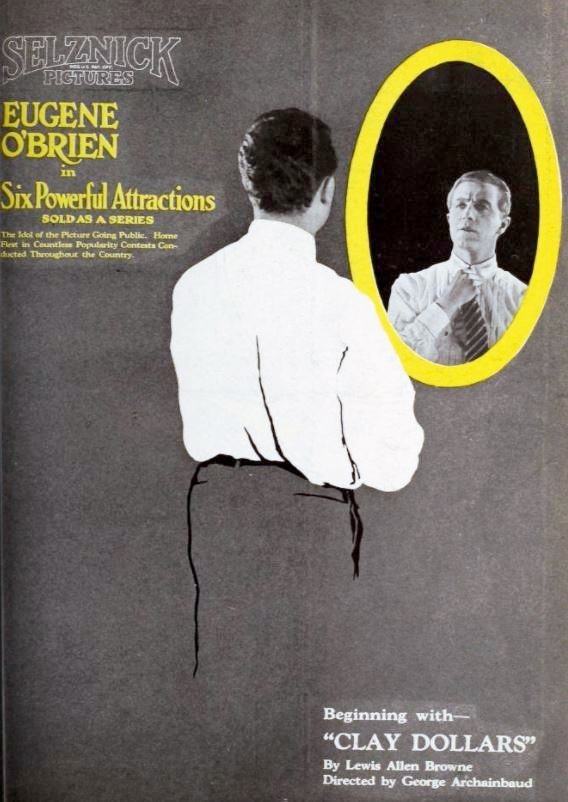
Director's Spotlight: United States
A Deep Dive into the 1921 Vision of George Archainbaud
Deciphering the layers of Clay Dollars (1921) reveals the complex thematic architecture established by George Archainbaud. Utilizing a 1921-specific aesthetic that remains timeless, it stands as the definitive 1921 statement on Drama identity.
In Clay Dollars, George Archainbaud pushes the boundaries of conventional narrative. The film's unique approach to its subject matter has sparked endless debates and interpretations among cinephiles and critics alike.
| Cinematography | Static |
| Soundtrack | Minimalist |
| Editing | Slow-Burn |
| Art Direction | Brutalist |
Visualizing the convergence of George Archainbaud's style and the core Drama narrative.
Bruce Edwards returns to his hometown to take possession of his late father's estate, but Sam Willetts presents him with documentation proving that Mr. Edwards traded the estate for worthless swampland. Bruce takes a job in the village tavern and romances June Gordon, whose mother suspects Willetts of foul play. When Willets falsely accuses Bruce of theft, the young man escapes. Bruce later regains his father's estate by convincing Willets that the swampland is valuable for manufacturing purposes. Afterward, June and Bruce leave on their honeymoon.
Decades after its release, Clay Dollars remains a vital piece of the cinematic puzzle. Its influence can be seen in countless modern works, solidifying George Archainbaud's status as a master of the craft in United States and beyond.