Bruce Edwards returns to his hometown to take possession of his late father's estate, but Sam Willetts presents him with documentation proving that Mr. Edwards traded the estate for worthless swampland.
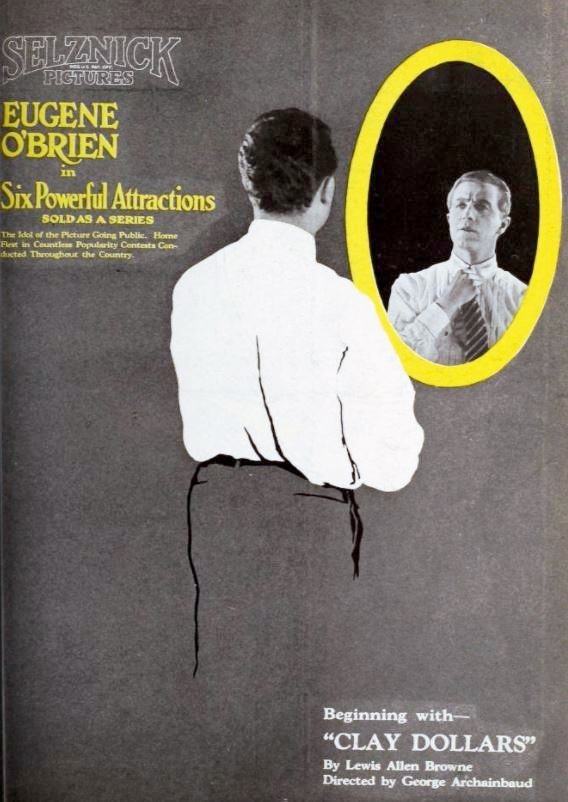
Clay Dollars is a film that lingers like the scent of rain on overworked soil—a tale where every character is both architect and victim of their circumstances. At its core, this 1935 drama, helmed by an uncredited Lewis Allen Browne, is a study in duality: the swamp that swallows Bruce Edwards’ inheritance becomes, in ...
Comparing the cinematic DNA and archive impact of two defining moments in cult history.
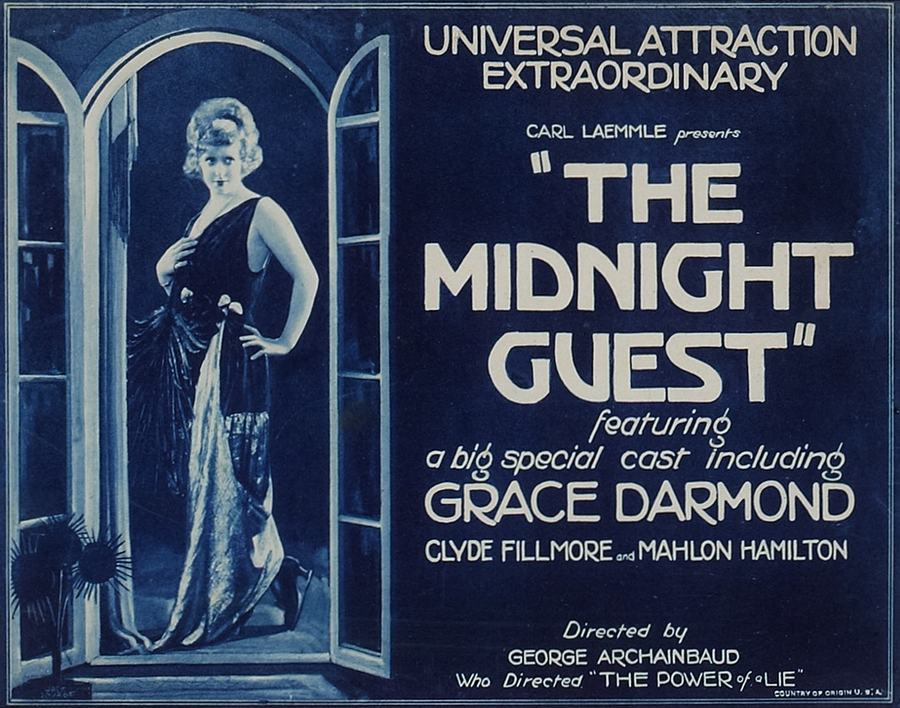
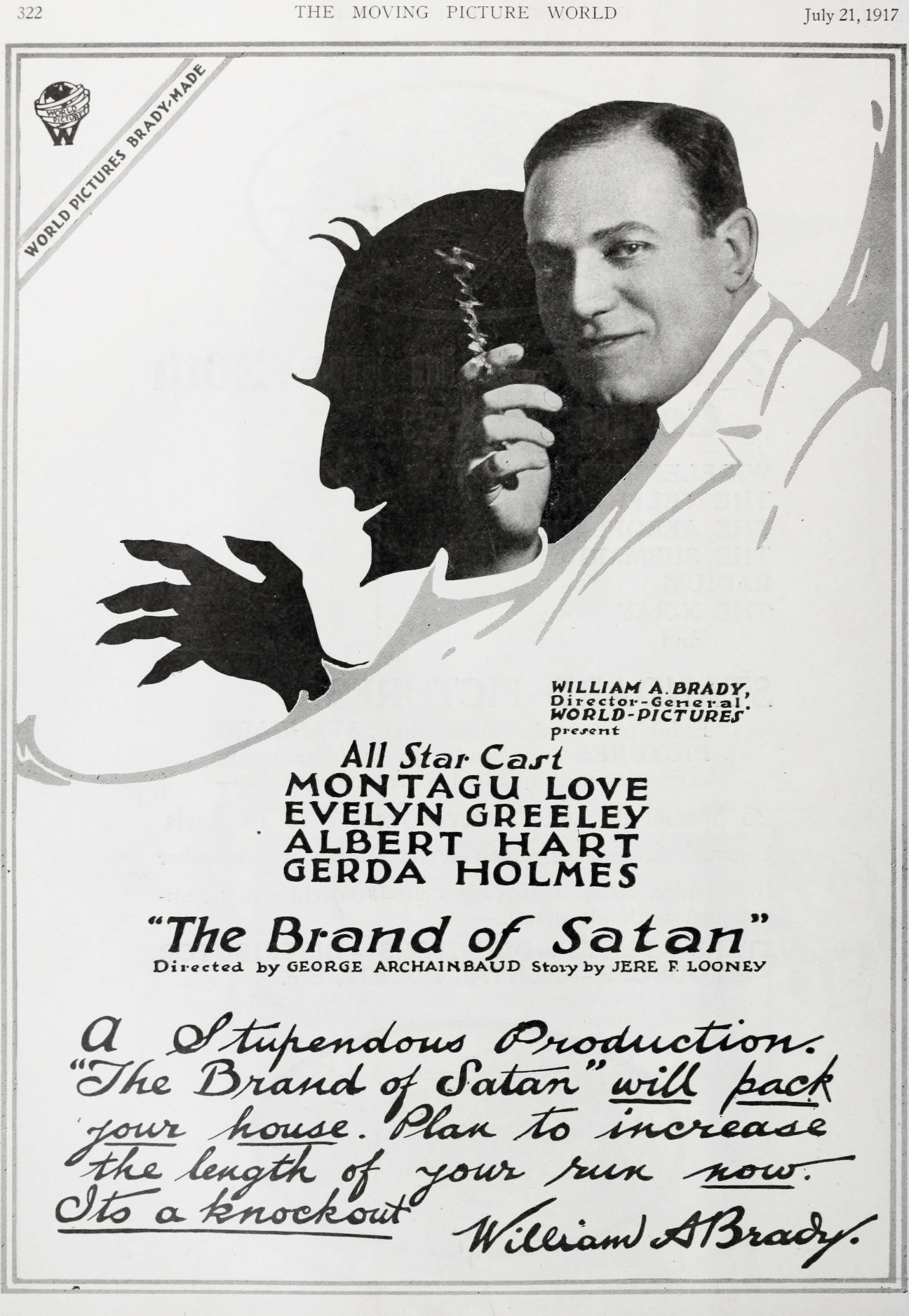
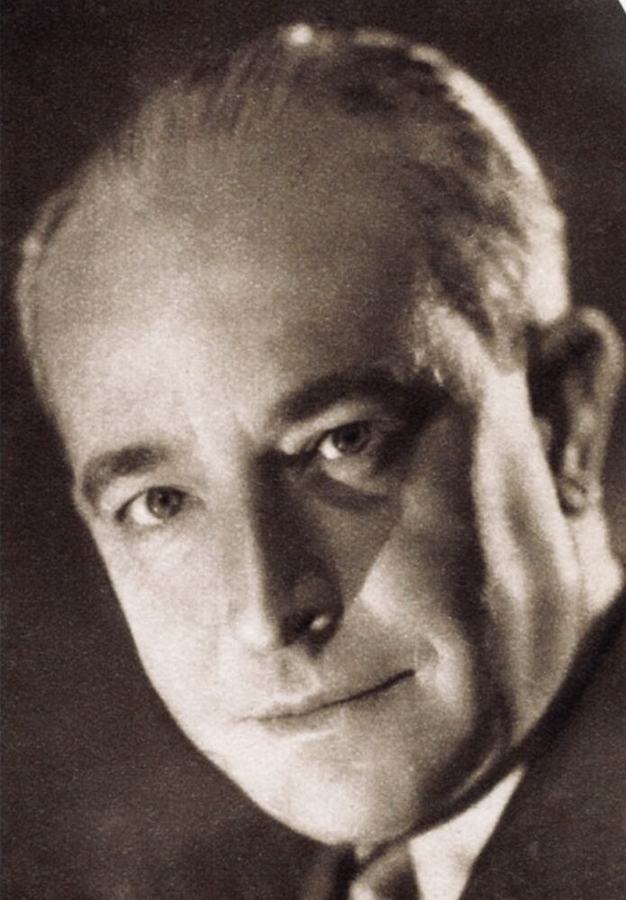
George Archainbaud

George Archainbaud
Community
Log in to comment.
"Clay Dollars is a film that lingers like the scent of rain on overworked soil—a tale where every character is both architect and victim of their circumstances. At its core, this 1935 drama, helmed by an uncredited Lewis Allen Browne, is a study in duality: the swamp that swallows Bruce Edwards’ inheritance becomes, in his hands, the very tool to reclaim it. The narrative’s tight spirals and moral haziness are as murky as the land itself, yet director Browne and his writers wield this ambiguity w..."
Lewis Allen Browne
United States

Deep dive into the cult classic
Discover similar cinematic experiences
A Directorial Spotlight on George Archainbaud