
DbcultAccessing Vault...
Director's Spotlight
Senior Film Conservator
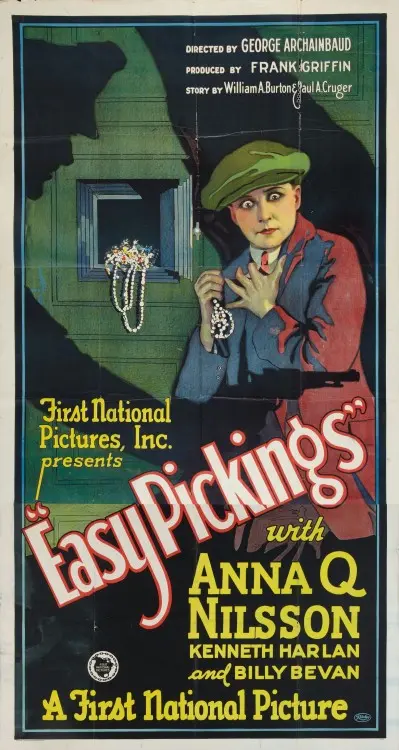
Director's Spotlight: United States
A Deep Dive into the 1927 Vision of George Archainbaud
Witnessing the stylistic transformation of Drama through Easy Pickings reveals the global recognition that George Archainbaud garnered after the release of Easy Pickings. Serving as a mirror to the anxieties of a changing world, offering layers of thematic complexity that demand repeated viewing.
In Easy Pickings, George Archainbaud pushes the boundaries of conventional narrative. The film's unique approach to its subject matter has sparked endless debates and interpretations among cinephiles and critics alike.
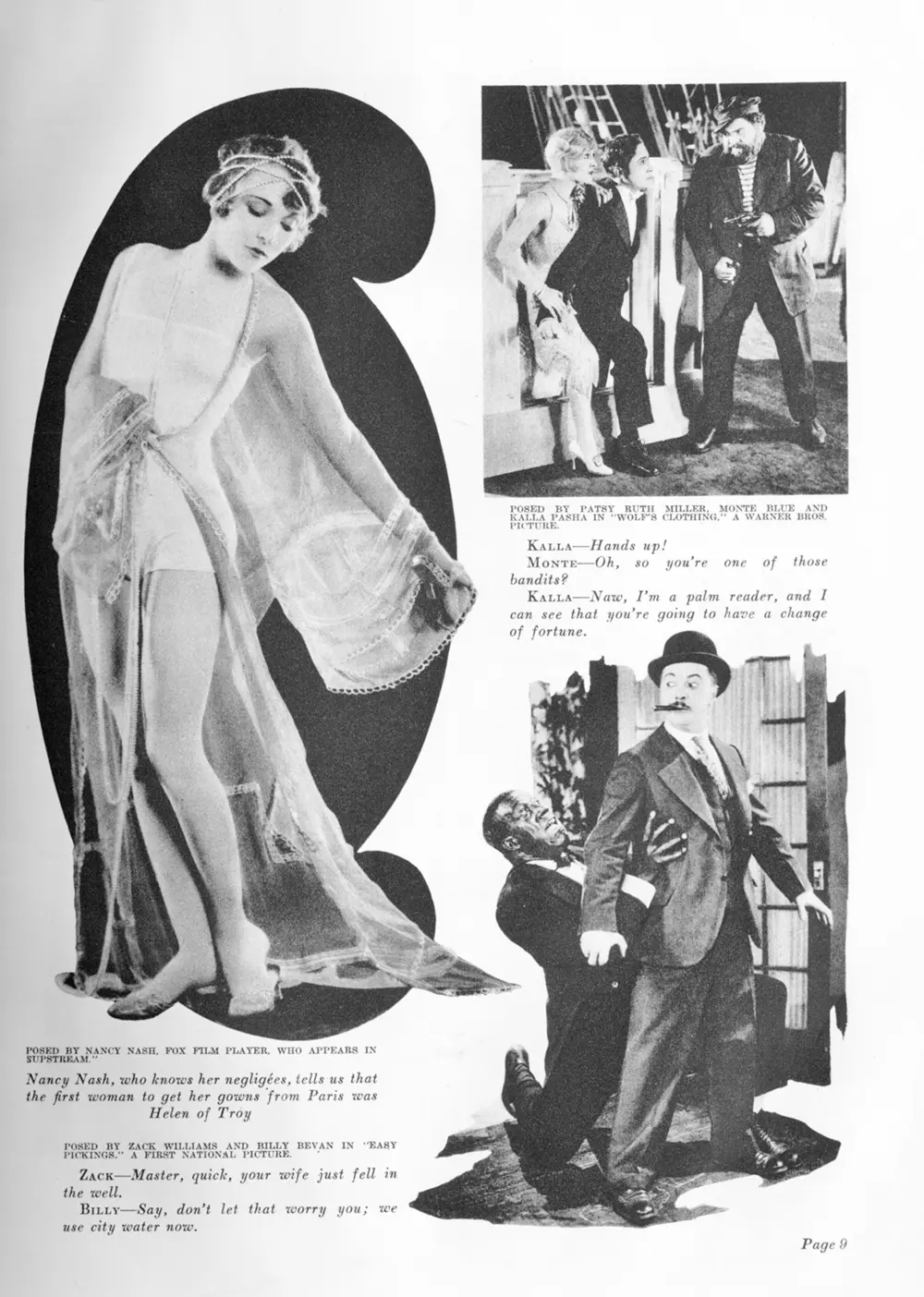
In this work, George Archainbaud explores the intersection of Drama and United States cultural identity. The meticulous attention to detail suggests a deep-seated commitment to pushing the boundaries of the medium, ensuring that Easy Pickings remains a relevant topic of study for Drama enthusiasts.
| Cinematography | Deep Focus |
| Soundtrack | Orchestral |
| Editing | Invisible |
| Art Direction | Kitsch |
Visualizing the convergence of George Archainbaud's style and the core Drama narrative.
Simeon Van Horne is poisoned by Stewart, his lawyer, who hopes to get a part of the estate to be divided between young Peter Van Horne and Dolores, Peter's cousin. Knowing that Dolores is dead, Stewart, who catches Mary Ryan burglarizing the Van Horne home, induces her to pose as Dolores. Mary's companion, Tony, is pulled into a secret passage; Van Horne's body disappears; Remus, the colored servant, sees a black-hooded figure; the lights go off and on; and a detective is the object of many hoaxes perpetrated by the mysterious figure. When the figure (played alternately by Tony and Dr. Naylor) discloses the features of Van Horne, he frightens a confession from Stewart, then discloses himself as Peter's "chauffeur." Peter discovers that Mary deserves a part of the fortune and convinces her of his love.
Decades after its release, Easy Pickings remains a vital piece of the cinematic puzzle. Its influence can be seen in countless modern works, solidifying George Archainbaud's status as a master of the craft in United States and beyond.