
DbcultAccessing Vault...
Director's Spotlight
Senior Film Conservator
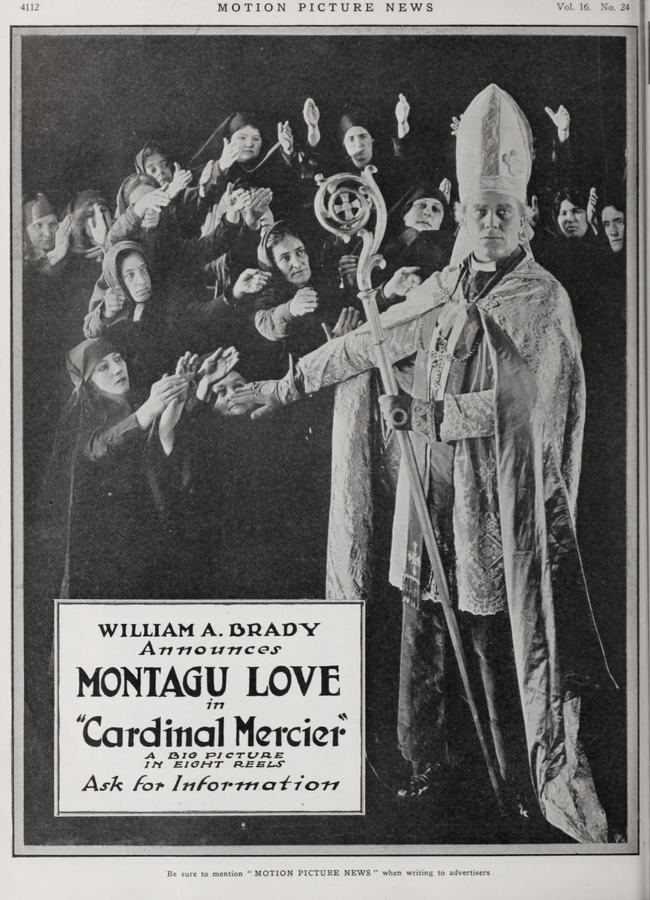
Director's Spotlight: United States
A Deep Dive into the 1918 Vision of George Archainbaud
When we examine the cinematic landscape of United States, The Cross Bearer emerges as a landmark work of the enduring legacy of George Archainbaud's artistic contribution to the genre. Through a lens of existential fatalism and cult tropes, it captures a specific kind of cinematic magic that is rarely replicated.
In The Cross Bearer, George Archainbaud pushes the boundaries of conventional narrative. The film's unique approach to its subject matter has sparked endless debates and interpretations among cinephiles and critics alike.
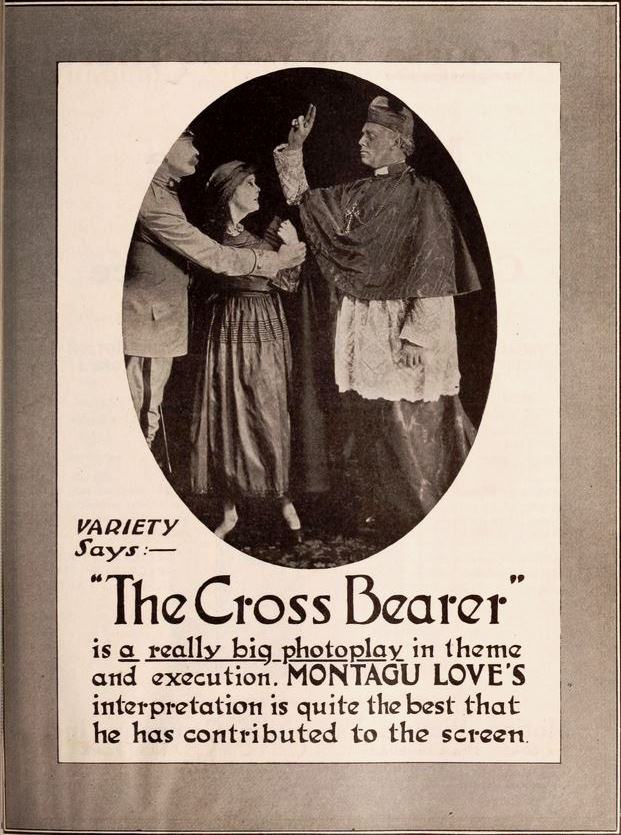
The visual language of The Cross Bearer is defined by its use of shadows and framing, a hallmark of George Archainbaud's style. By utilizing a 1918-era palette, the film creates an immersive experience that perfectly complements its cult themes.
| Cinematography | High-Contrast |
| Soundtrack | Experimental |
| Editing | Elliptical |
| Art Direction | Expressionist |
Visualizing the convergence of George Archainbaud's style and the core cult narrative.
Cardinal Mercier protects the altar of his church from desecration when German forces invade the Belgian city of Louvain during World War I. Although the soldiers commit widespread atrocities, the cardinal does his best to protect the townspeople. Cardinal Mercier's young ward, Liane de Merode, is betrothed to Belgian officer Maurice Lambeaux, but the German governor general tries to gain possession of her against the cardinal's will. Despite the plotting of the governor general, Maurice breaks through the German lines in a disguise. Secretly the cardinal marries the young couple and smuggles them across the border to France.
Decades after its release, The Cross Bearer remains a vital piece of the cinematic puzzle. Its influence can be seen in countless modern works, solidifying George Archainbaud's status as a master of the craft in United States and beyond.