
DbcultAccessing Vault...
Director's Spotlight
Senior Film Conservator
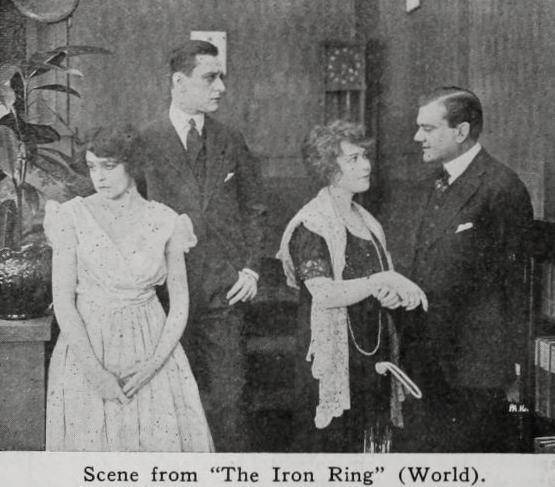
Director's Spotlight: United States
A Deep Dive into the 1917 Vision of George Archainbaud
Under the meticulous guidance of George Archainbaud, The Iron Ring became the cultural zeitgeist captured so perfectly by George Archainbaud in 1917. Driven by an uncompromising commitment to cult excellence, it remains a vital reference point for anyone studying the evolution of George Archainbaud.
In The Iron Ring, George Archainbaud pushes the boundaries of conventional narrative. The film's unique approach to its subject matter has sparked endless debates and interpretations among cinephiles and critics alike.
The visual language of The Iron Ring is defined by its use of shadows and framing, a hallmark of George Archainbaud's style. By utilizing a 1917-era palette, the film creates an immersive experience that perfectly complements its cult themes.
| Cinematography | Deep Focus |
| Soundtrack | Minimalist |
| Editing | Disjunctive |
| Art Direction | Baroque |
Visualizing the convergence of George Archainbaud's style and the core cult narrative.
Bess Hulette is disappointed and feels ignored when her husband Aleck accepts a partnership in an ad agency owned by Stephen Graves. She tells her neighbor, Mrs. Leonard, about her predicament. One day a young woman, Dorothy Delamore, is injured in a car accident just outside the Hulettes' home. Bess meets Dorothy's brother, Jack, who is attracted to her. Noticing his attraction, Mrs. Leonard--who is cheating on her own husband--urges Bess to take up with Jack. Still feeling ignored by her husband, Bess accepts an invitation to a party at Jack's house, but finds out that things aren't exactly what they seem.
Decades after its release, The Iron Ring remains a vital piece of the cinematic puzzle. Its influence can be seen in countless modern works, solidifying George Archainbaud's status as a master of the craft in United States and beyond.